Island coconut projects are logistics projects too
Small-island and coastal projects often win or fail on timing, storage, humidity, packing, and shipment rhythm, not only the press model.
Plan island and coastal coconut oil projects around fresh handling time, warm storage, cartons, drums, humidity, shipment rhythm, spare parts, and installation access.
Fresh timing
Receiving, splitting, water handling, and residue removal must fit the local collection rhythm.
Storage climate
Humidity, warm rooms, solidification risk, and carton storage should be discussed early.
Shipment access
Crates, spares, containers, workshop doors, and installation route affect the project package.
Fresh coconut water, milk, desiccated coconut, oil, refining, and packing line
The reference line starts from mature coconuts and keeps multiple outlets in scope: filtered coconut water, fresh coconut milk, desiccated coconut, crude oil, refined edible oil, and bottled products.
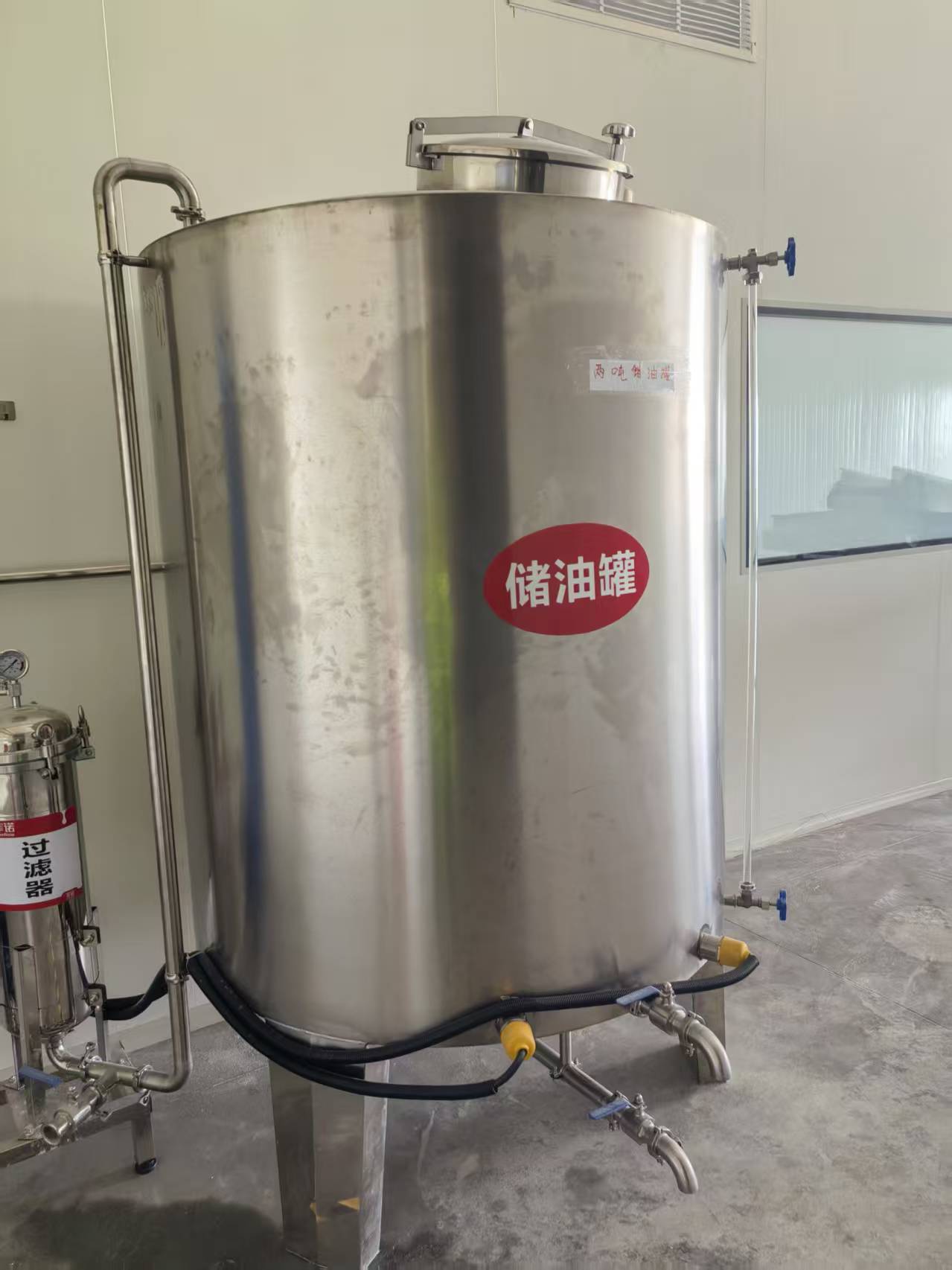 Water storage
Stainless storage tank for filtered coconut water
The reference page places a stainless tank after coconut water filtration so filling does not depend on the peeling rhythm.
Design storage and shipment around the local coconut rhythm
- ✓Name daily coconut collection time and maximum fresh handling delay.
- ✓Reserve clean storage for jars, bottles, cartons, labels, and caps away from wet residue.
- ✓Plan oil drums, retail cartons, or mixed shipment before finalizing the packing room.
- ✓Check spare parts, voltage, installation access, and container unloading before export shipment.
These next pages move the discussion forward
Buyer tools
Coconut Process Media Library
Complete coconut process media library covering production videos, equipment images, alternate image sizes, and brand marks for project discussion.
Continue →Coconut routes
Virgin Coconut Oil Route for Fresh Coconut Projects
Plan a VCO route around fresh kernel handling, coconut water and milk separation, hygienic tanks, warm oil transfer, fine filtration, and bottle-ready finish.
Continue →Coconut routes
Copra Pressing Route for Crude and Refined Coconut Oil
Plan copra oil around dried feed, crushing, pressing, crude-oil buffers, cake discharge, refining handoff, bulk storage, and practical packing.
Continue →Send site photos and shipment format early
Island projects need workshop access, utilities, package format, container route, and spare parts planned with the equipment scope.