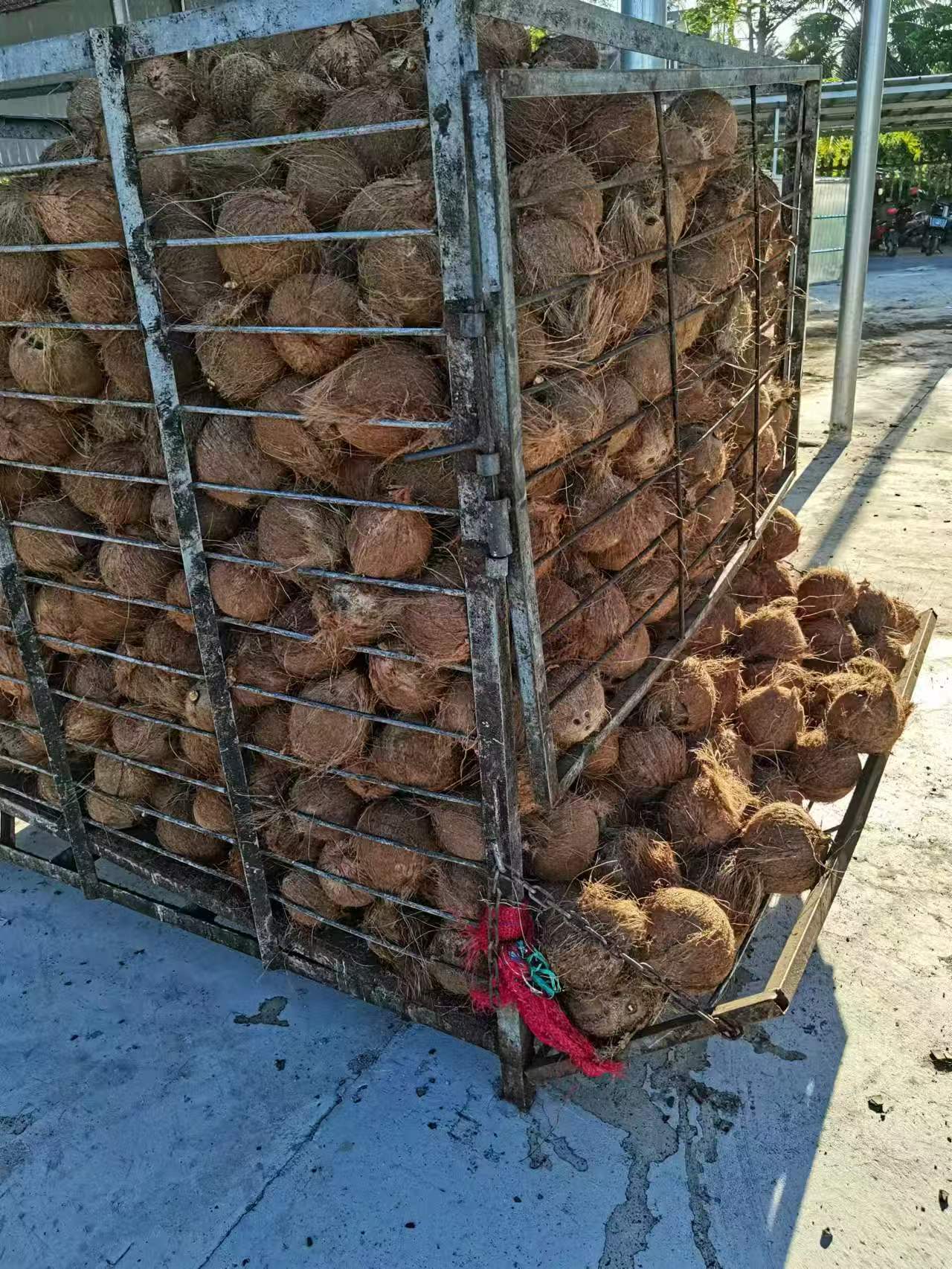
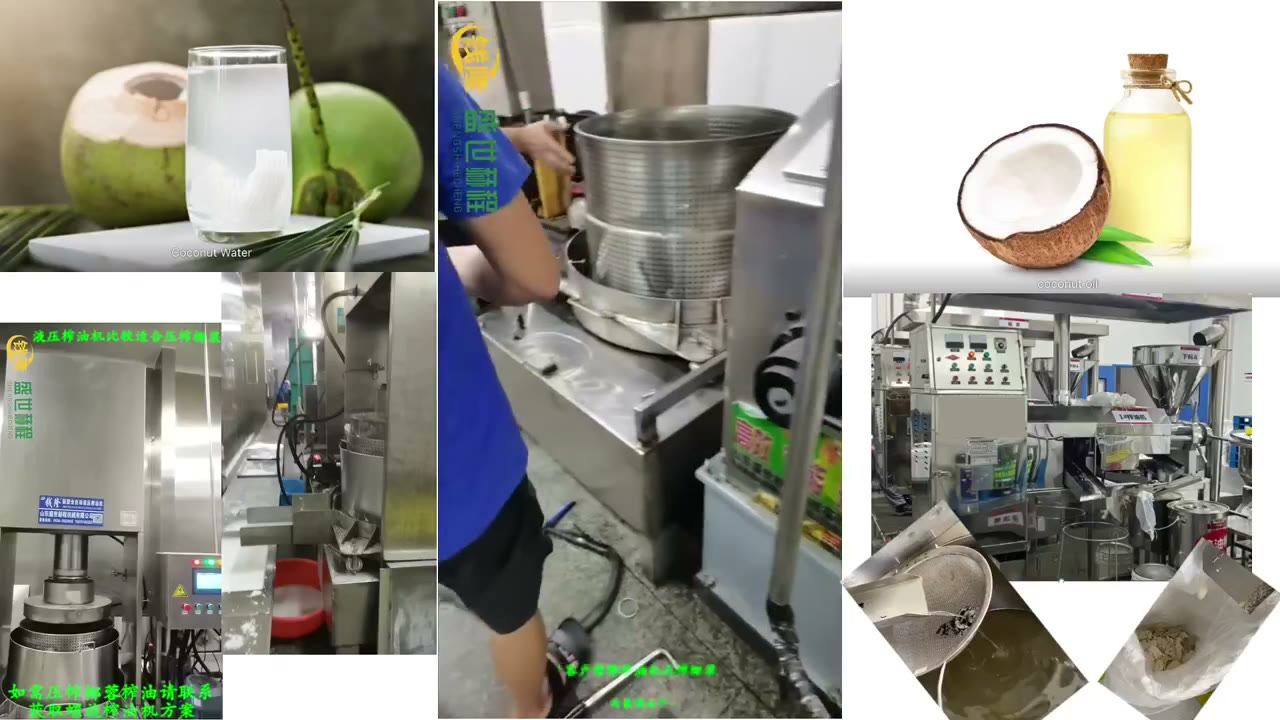
Coconut water + coconut milk pressing + oil refining + packing

Coconut processing line for water, milk, oil, refining, and packing.

Start with the coconut product you want: coconut water, coconut milk, crude coconut oil, refined oil, desiccated coconut, or a packed retail product. The line scope changes once the water, milk, residue, oil, and packing handoffs are named clearly.

A fresh coconut line often starts before the oil press: dehusking and shelling, coconut water collection, peeling, grinding, milk pressing, residue drying, crude-oil storage, refining, and filling may belong to the same project. If the feed is dried copra instead, the scope becomes a drier, more industrial oil route.

  • Confirm whether the project starts from whole fresh coconut, peeled kernel, coconut milk, dried coconut, or copra before press sizing.
  • If coconut water, coconut milk, oil, and residue all stay in the scope, layout must reserve separate receiving, pressing, drying, storage, and packing handoffs.
  • Coconut oil can stop at crude storage, continue into refining, or finish with bottle, pouch, or carton packing; the quote should name that endpoint.
Fast inquiry

No need to read everything first; send these 4 points

Start coconut project brief
1Feed form and cleaning status
2Hot, cold, or aroma target
3Filtration, settling, or storage after pressing
4Crude, bulk, or bottled final product
Coconut Oil Press

From raw material to finished oil — design, manufacturing, installation, and technical support for small to large-scale oil plants. Qingzhou, Weifang, Shandong Province, China.

300-630 ton hydraulic lineup

Seven hydraulic models from 300–630 ton — hot (300/325) and cold (355–500 class) with 100 kg max feed per batch (see spec tables).

One-stop oil plant scope

Pressing, refining, dewaxing, filtration, filling, and supporting equipment — ODM supported for complete oil projects. Since 2008: 200+ staff, 1000+ customers served.

Project path

Three steps to judge scope, then send requirements

Real projects do not need a long directory first. Start with feed, route, and post-press handoff; after that, the factory can discuss scope directly.

1

Route and flavor target

Confirm the feed starting point

Whole seed, kernels, screened feed, moisture, and impurities change pretreatment and press rhythm.

See feed prep
2

Pressing and filtration

Choose hot, cold, or product route

Route decides roasting, temperature, filtration, oil finish, and packaging before model comparison.

See route options
3

Product format and brief

Send the project inputs to the factory

Output target, workshop, voltage, downstream handoff, and photos make sizing much faster.

Start coconut project brief

Photos and videos first

See equipment, workshop, and delivery before the details

If the full brief is not ready yet, these clips show barrels, pressing, cake discharge, workshop layout, larger models, and export delivery so the scope becomes easier to place.

Contact after viewing
Coconut line
00:45

Fresh coconut projects should show water, milk, and oil together

Coconut projects are not only oil pressing; water collection, milk pressing, residue, and oil handling all matter.

Milk pressing
00:38

Coconut milk pressing and wet residue handoff

If milk, residue, and oil are all product streams, the equipment boundary should be separated clearly.

Barrel and model
00:14

See the 300 / 325 / 355 barrel and model scale

Seeing the barrel, frame, and loading space makes capacity, shifts, and model selection easier to discuss.

Workshop
00:16

Workshop view for layout and operating side

Useful for checking footprint, access aisles, loading side, cake discharge, and filtration position.

Cake discharge
00:14

Cake discharge should be planned with oil handling

Bagging, bins, or crushing after discharge changes press-room flow and by-product value.

Capacity upgrade
00:14

500 model view before expansion or multi-press planning

When the project moves beyond trial batches, workshop height, lifting, loading, and filtration need to be checked together.

Export case
00:14

Export projects need voltage, packing, and delivery conditions

For export projects, voltage, crate packing, spare parts, installation mode, and destination port should be aligned early.

Delivery scene
00:14

Delivery depends on installation interfaces prepared early

Fast startup after arrival depends on power, foundation, lifting, and staffing being confirmed before shipment.

Complete fresh coconut line
01:15

Coconut water, coconut milk, oil, refining, and packing should be scoped together

Use this line view to decide which modules belong in the first quotation: coconut water collection, kernel preparation, milk pressing, crude-oil storage, refining, and packing.

Build the project scope
Coconut milk pressing
00:55

Hydraulic pressing after coconut grinding or milk preparation

This clip is useful when the project includes coconut milk extraction before the oil section, or when pressing rhythm and residue handling need to be checked first.

See pressing stage
Virgin coconut oil and copra route reference
Fresh route or copra route

Fresh coconut line and copra oil line need different upstream and downstream modules

Fresh coconut projects may include water collection, peeling, grinding, milk pressing, residue drying, and refined-oil packing. Copra projects usually focus on dried feed, crude oil, and refining handoff.

Compare routes
Coconut water section
00:45

Coconut water collection and beverage-side equipment can sit beside the oil line

If coconut water will be kept as a saleable product, the water receiving and filling section should be described before oil equipment is finalized.

Plan water and oil together

Fresh coconut process boundary

Decide which coconut products stay in this phase before selecting the press

The reference coconut line treats the coconut as more than an oilseed: water can be collected, kernel can be peeled and ground, milk can be pressed, residue can be dried, crude oil can be stored, and refined oil can be packed. Your quotation should name which of these steps belong to the current phase.

Compare coconut routes
Step 1

Start from whole coconut, peeled kernel, milk, dried meat, or copra

A whole-coconut project may need dehusking, shelling, water collection, paring, grinding, and milk pressing. A copra project may begin at dried feed and move faster toward crude oil and refining.

Step 2

Separate coconut water, milk, residue, and oil handoffs

Coconut water and coconut milk are product streams, not waste streams. If both are sold, tanks, filters, pumps, and filling points should be planned before the oil section is finalized.

Step 3

Match pressing and drying to the product endpoint

Milk pressing, wet-residue drying, copra pressing, crude-oil clarification, and edible-oil refining use different rhythms. Do not use one press-only capacity to describe the whole coconut project.

Step 4

Define the final outlet: crude oil, refined oil, water, milk, or retail pack

The quote changes if the project stops at crude coconut oil, continues into a 500 kg/day refining section, or also includes water and finished-oil filling. Name the endpoint early.

63–70%
coconut kernel oil content (dry basis)
Among the highest of any oil crop. But the value split between VCO and copra oil is enormous — same raw material, very different businesses.
2
distinct routes: VCO hygiene and copra industrial
The press overlaps, but prep, hygiene, filtration, and packaging diverge completely.

Line modules

A coconut project may include water, milk, oil, residue drying, refining, and filling modules

The reference production line combines coconut water handling, coconut milk pressing, residue handling, crude-oil storage, refining, and packing. Before quoting, decide whether the new line is a full fresh-coconut utilization project or only an oil section.

Whole-coconut front end

If the project starts from whole coconuts, include dehusking, shelling, water collection, peeling, and kernel grinding instead of jumping straight to the oil press.

Milk pressing and residue drying

Coconut milk pressing and wet-residue drying are separate decisions. If residue becomes desiccated coconut or feed material, drying capacity and discharge direction must be reserved.

Oil refining and finished packing

If crude coconut oil continues into refining and retail packing, include refining capacity, oil tanks, filling format, cap sealing, labels, and carton handoff in the same brief.

  • Name whether coconut water is collected, discarded, or sold as a beverage product.
  • Confirm whether coconut milk pressing is included before the oil section.
  • Reserve residue drying if coconut cake becomes desiccated coconut, feed, or another saleable material.
  • State whether oil stops at crude storage or continues into refining and finished packing.

Product outlets

Choose the coconut products first: beverage, milk, crude oil, refined oil, or retail pack

A fresh coconut factory can sell more than one output. Coconut water, coconut milk, dried residue, crude oil, refined oil, and packed retail products create different equipment boundaries and different workshop layouts.

Coconut water and milk products

When water and milk are kept as products, receiving tanks, filtration, holding, and filling points need to be planned before the oil section.

Crude and refined coconut oil

Crude oil storage, filtration, refining capacity, oil tanks, and finished-oil filling should be decided together, especially if the target is edible refined oil.

Residue drying and byproduct use

Pressed coconut residue may become desiccated coconut, feed material, or waste. Drying capacity and storage space change the line layout.

  • VCO lanes should feel cleaner, smaller-batch, and focused on hygiene and bottle finish.
  • Regional coconut oil can stay practical, but still needs clear raw-material language and stable post-press handling.
  • Copra routes should show drying, coarse transfer, and bulk-oil realism — not borrow premium VCO language.
  • If the project sells retail coconut oil, jar, pouch, and export-carton requirements should be checked together with filtration.

Project brief

Send one brief that covers raw coconut, water, milk, oil, residue, refining, and packing

A coconut quote becomes clearer when the supplier knows where the fresh coconut enters, which product streams are kept, whether oil goes to refining, and what format leaves the plant. Keep these points together instead of sending them in several rounds.

Open coconut quote guide
  • State whether the site receives whole coconuts, peeled kernels, coconut milk, dried coconut meat, or copra.
  • Say whether coconut water is collected and whether it needs filtration, holding tanks, or filling equipment.
  • Confirm whether coconut milk pressing and wet-residue drying belong to this phase.
  • Name the oil endpoint: crude-oil tank, filtered oil, refined oil, bottle filling, pouch filling, or carton packing.
  • Attach workshop photos, utilities, current peeling/grinding/drying equipment, and target capacity by shift.
For coconut projects, a useful inquiry does not only ask for a press. It tells the factory which coconut streams become products and where each stream leaves the line.

Process videos

Coconut water, milk, oil, refining, and packing videos

These clips help confirm which line sections belong in the same project: fresh coconut handling, water receiving, milk pressing, oil storage, refining, and finished packing.

Complete line
05:03

Fresh coconut water, milk, desiccated coconut, oil, refining, and packing line

The reference line starts from mature coconuts and keeps multiple outlets in scope: filtered coconut water, fresh coconut milk, desiccated coconut, crude oil, refined edible oil, and bottled products.

Conveying
00:08

S500 conveyor between coconut preparation stages

This short clip belongs to the front-end handoff after dehusking, where coconuts are moved continuously and hygienically toward peeling, water collection, and meat processing.

Peeling station
00:04

Manual coconut peeling table before water and meat separation

The reference page uses twenty 600 x 600 mm peeling stations so the hard shell can be removed before water extraction and coconut meat preparation.

Coconut water
00:12

Coconut water collection before filtration and storage

Use this clip when coconut water is a saleable product. The line should then include collection, plate-and-frame filtration, stainless storage, and filling planning.

Meat washing
00:21

Coconut meat washing before crushing

The washing section is sized in the reference page at 10 tons per day, mainly to remove shell fragments and impurities before the crusher.

Crushing
00:15

Coconut meat crushing for better milk extraction

The crusher reduces coconut meat into smaller particles so the hydraulic milk press can reach a more stable extraction rate.

Prepared pulp
00:20

Crushed coconut meat ready for hydraulic milk pressing

This is the material handoff before the 325 hydraulic coconut milk press. Moisture and particle size matter more here than press tonnage alone.

Hydraulic milk press
01:00

Model 325 hydraulic coconut milk pressing section

The reference configuration uses four 325CG-A hydraulic presses, 2.2 kW each, for batch coconut milk extraction with an indicated 80% extraction rate.

Oil pressing
01:06

Model 128 screw oil press for dried coconut material

After milk extraction and drying, the reference line sends dried coconut material through mixing, elevation, and two Model 128 screw presses rated at 160 kg/hour per machine.

Finished packing
00:08

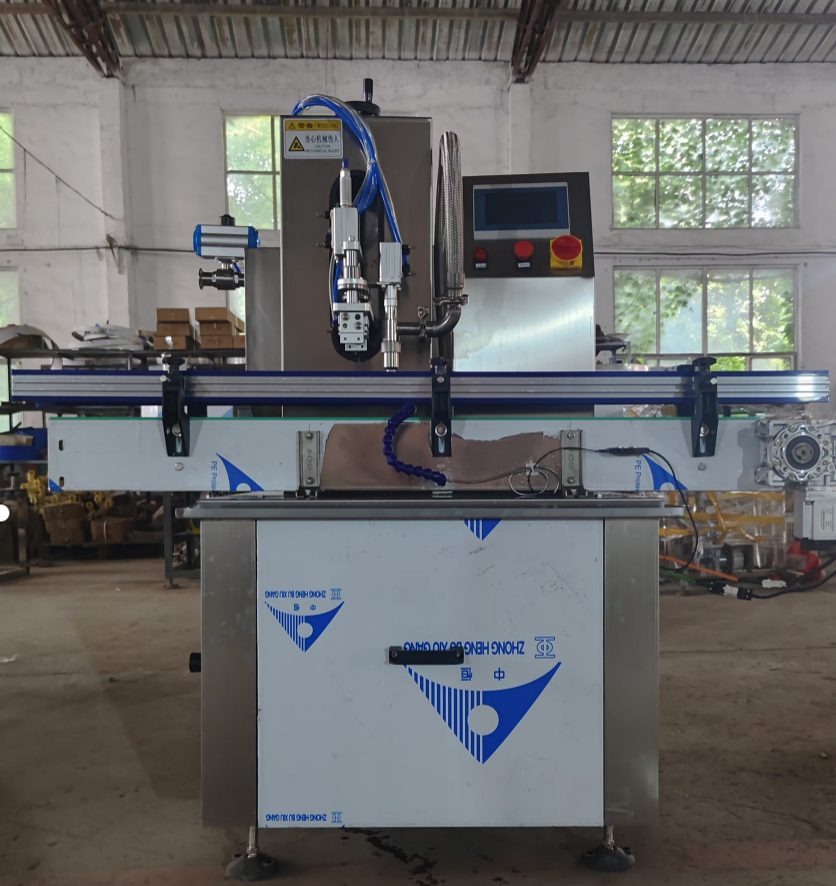
Finished coconut oil filling, capping, labeling, and coding

This final clip belongs after refining and finished-oil storage, where the quote may include manual double-head filling, capping, labeling, and date coding.

Equipment images

Coconut equipment images for scope discussion

Start with the clearer equipment views here, then open the full library when you need to compare additional angles, sizes, or video clips.

Open full media library
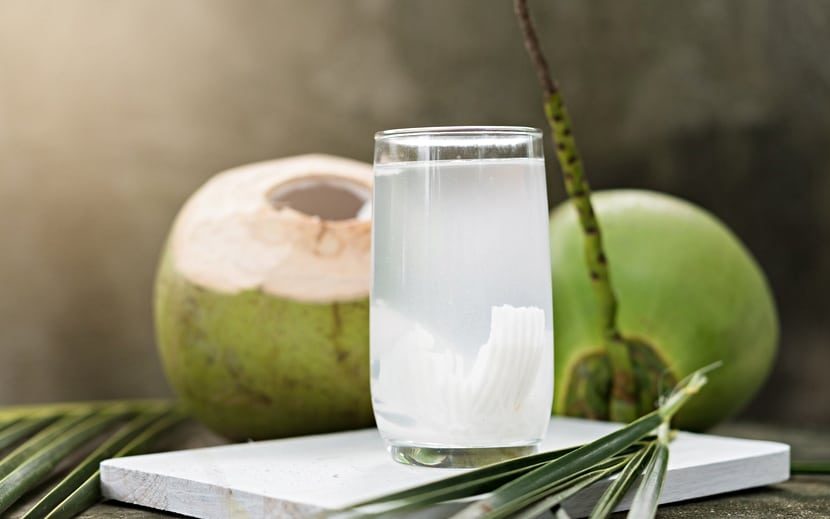
Filtered coconut water as one product outlet
Coconut water

Filtered coconut water as one product outlet

The reference line does not treat coconut water as waste. It can be filtered, stored, and filled before the oil section is discussed.

Single-head filling for fresh coconut milk
Milk filling

Single-head filling for fresh coconut milk

After hydraulic milk pressing, the project may include small-volume coconut milk filling instead of stopping at extraction only.

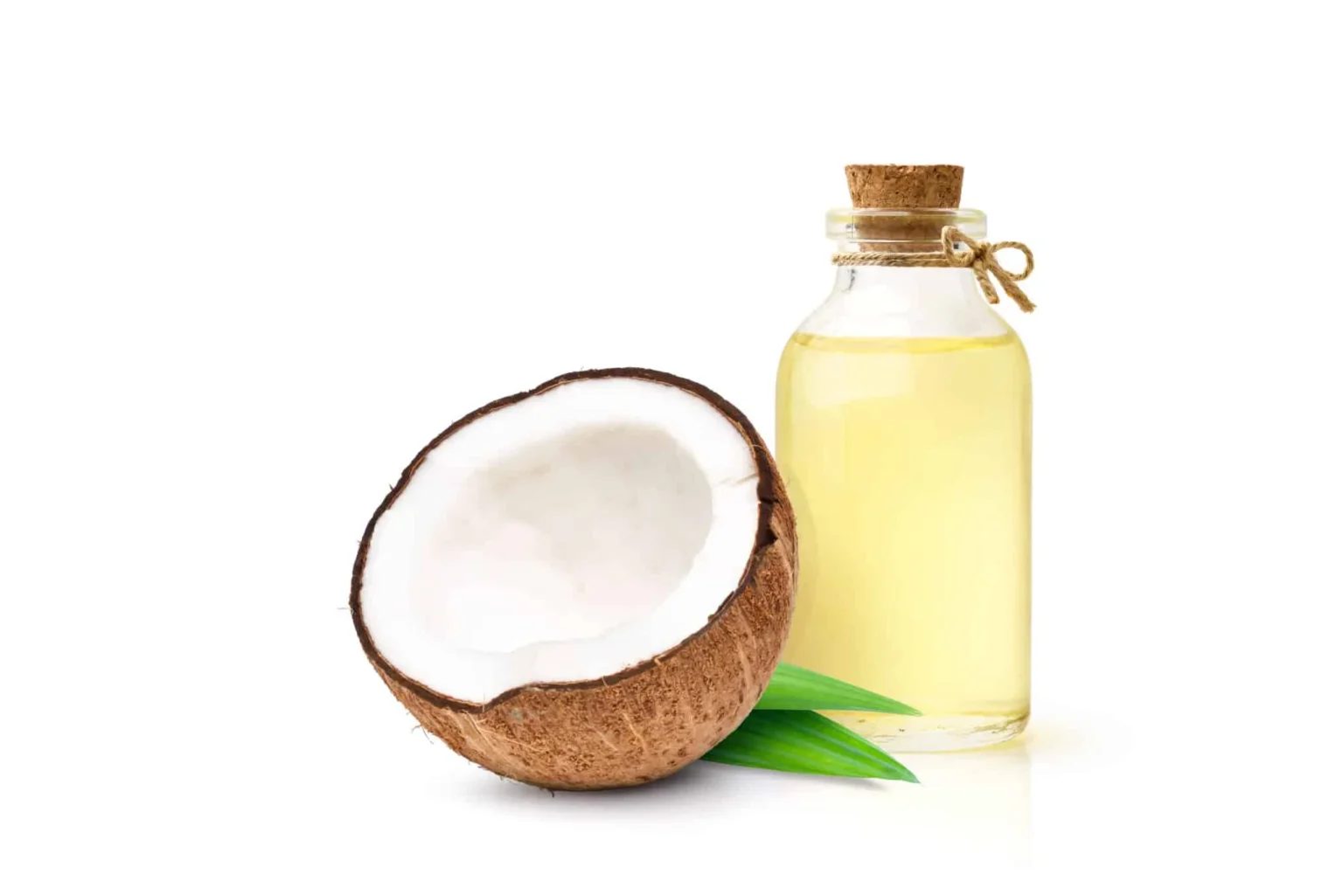
Coconut oil outlet after pressing, separation, and refining
Coconut oil

Coconut oil outlet after pressing, separation, and refining

Use this product view to separate crude-oil, filtered-oil, refined-oil, and packed-oil quotation boundaries.

Coconut dehusking before conveying and peeling
Dehusking

Coconut dehusking before conveying and peeling

The front end starts before oil extraction: dehusking reduces manual labor and prepares mature coconuts for continuous transfer.

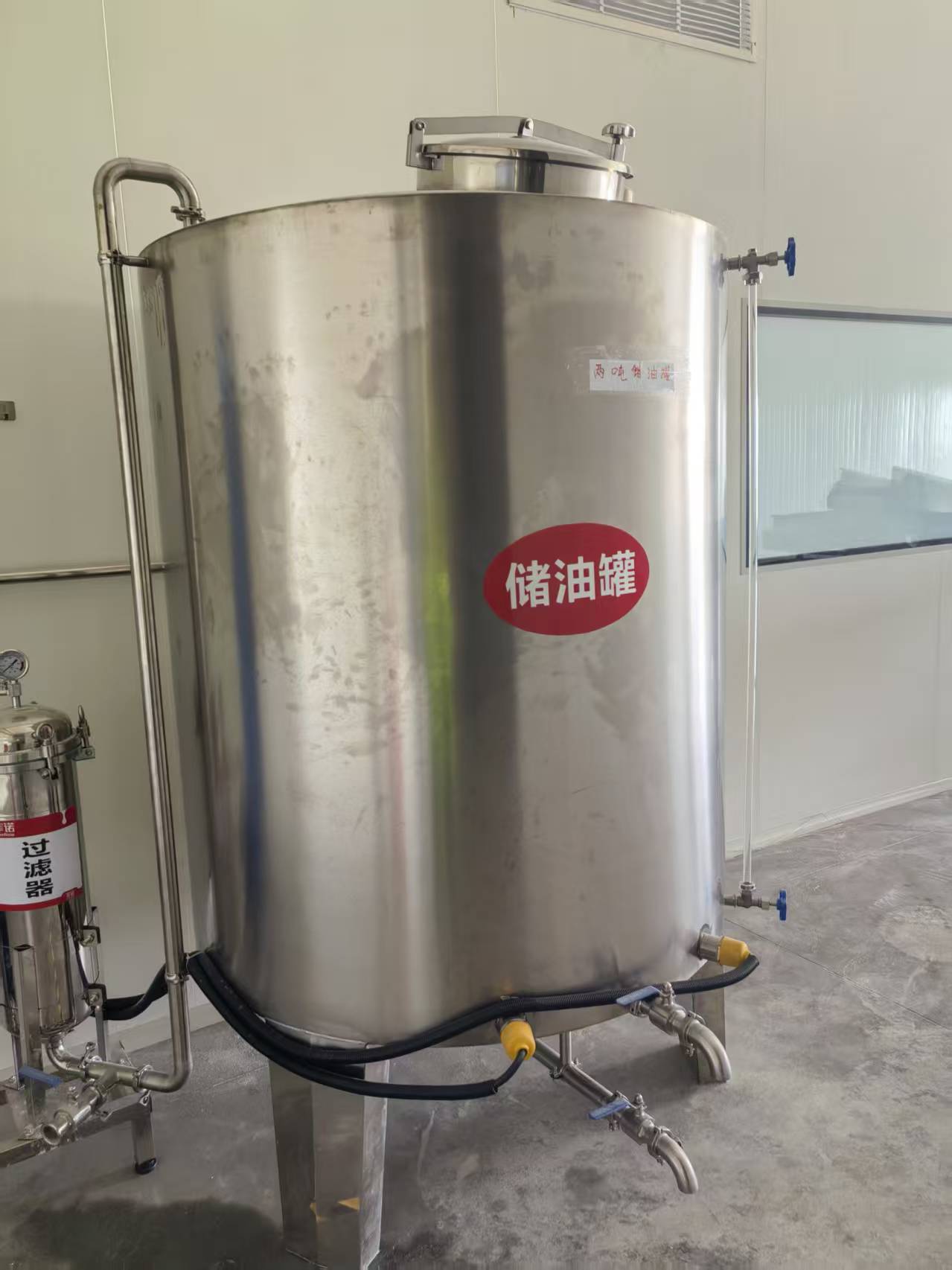
Stainless storage tank for filtered coconut water
Water storage

Stainless storage tank for filtered coconut water

The reference page places a stainless tank after coconut water filtration so filling does not depend on the peeling rhythm.

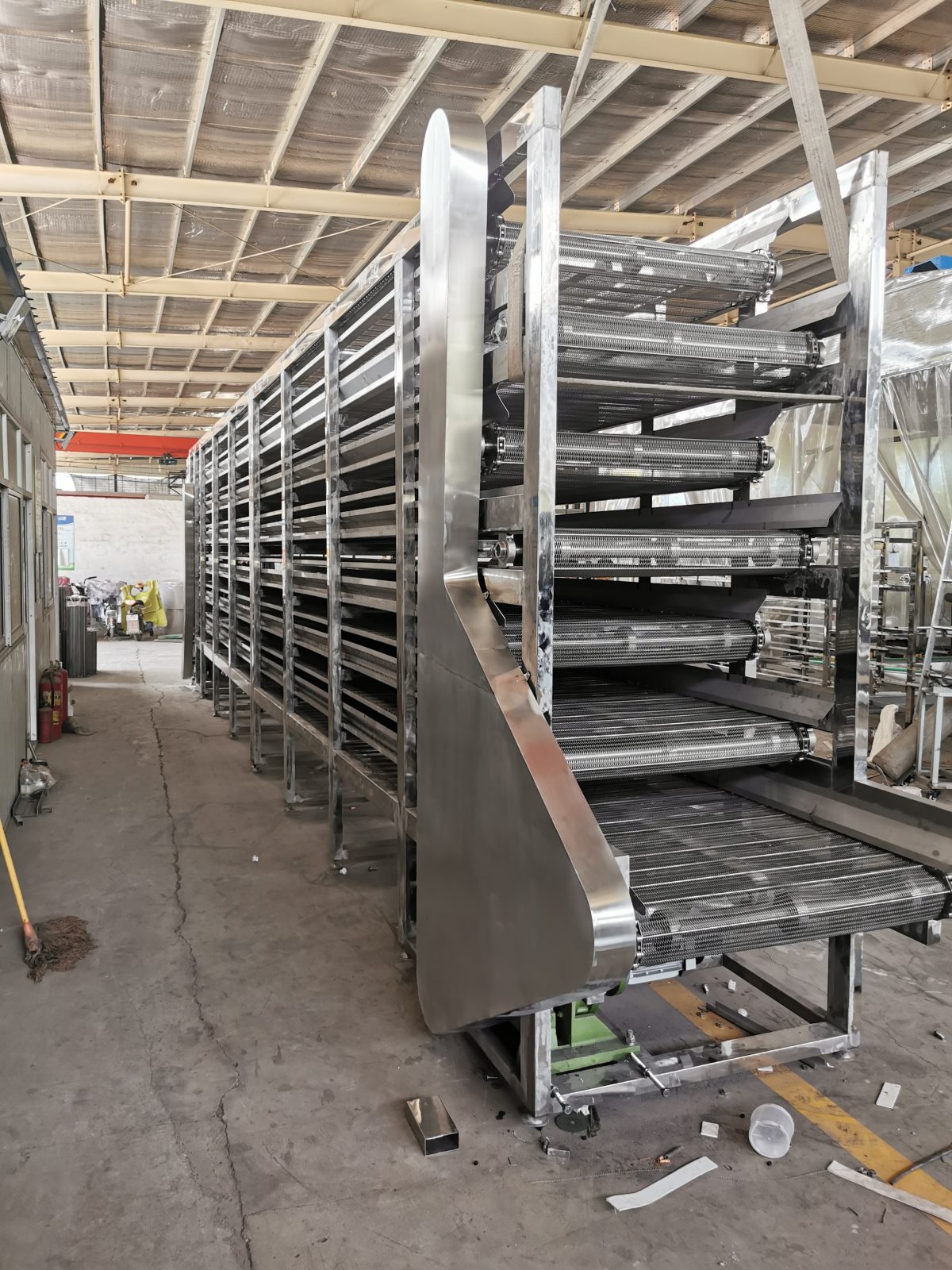
Desiccated coconut dryer after milk extraction
Drying

Desiccated coconut dryer after milk extraction

After milk extraction, wet coconut pulp is dried for desiccated coconut or further oil pressing.

Drying section for stable moisture removal
Dryer detail

Drying section for stable moisture removal

The dryer section is described around uniform moisture removal, temperature control, and flavor retention.

Dried coconut material before mixing and pressing
Desiccated route

Dried coconut material before mixing and pressing

Once moisture is reduced, the material can move toward mixing, elevation, and screw oil pressing.

Dry coconut handoff before oil extraction
Dry route handoff

Dry coconut handoff before oil extraction

This view belongs to the handoff between milk extraction residue and oil extraction feed.

Stainless coconut mixing machine before oil pressing
Mixing

Stainless coconut mixing machine before oil pressing

The reference configuration uses stainless mixing so dried coconut material enters the press more evenly.

Stainless elevator feeding dried coconut material
Elevation

Stainless elevator feeding dried coconut material

The elevator connects drying and mixing with the oil press, which matters for a continuous layout.

Model 128 screw oil press for dried coconut
Screw press

Model 128 screw oil press for dried coconut

The oil section in the reference page uses two Model 128 screw presses after drying, mixing, and elevation.

Decanter centrifuge for cleaner crude coconut oil
Separation

Decanter centrifuge for cleaner crude coconut oil

After oil pressing, centrifugal separation removes fine residue, impurities, and moisture before crude-oil storage or refining.

500 kg per 24 hours edible oil refining system
Refining

500 kg per 24 hours edible oil refining system

The refining section covers degumming, deacidification, decolorization, and deodorization before finished-oil storage.

Packed coconut oil after refining
Finished package

Packed coconut oil after refining

Packaging belongs at the end of the quote if the project includes filling, capping, labeling, and date coding.

Finished coconut oil ready for storage or sale
Retail outlet

Finished coconut oil ready for storage or sale

This final product view helps distinguish an equipment quote that stops at refined oil from one that includes retail packing.

Pressing, filtration, and product handoff

Coconut model selection depends on VCO vs copra route, drying capacity, and whether the line includes filling. The press itself is straightforward; the surrounding process defines the project.

Sub-60 °C full-chain VCO compliance

VCO certification (APCC standard) requires the entire process to stay below 60 °C: drying, pressing, filtration, storage, and filling. Any step above this threshold disqualifies the oil from being labeled 'virgin'.

Rapid drying for fresh-kernel route (45–50% → 10–12% moisture)

Fresh coconut meat has 45–50% moisture and begins fermenting within hours in tropical heat. Drying to 10–12% must happen within 24–48 h using low-temperature drum or tray dryers (≤60 °C). Copra route skips this step.

355–500 cold press, 100 kg/barrel, ~2 h cycle

Prepared coconut material is cold-pressed at 370–630 ton. VCO yields are lower than copra due to higher residual moisture in the cake. Cake can be sold as desiccated coconut residue or animal feed.

VCO jar-filling in tropical hygiene conditions

VCO solidifies below 24 °C and must be filled warm (30–40 °C) into glass jars. In tropical plants, humidity and microbial control in the filling room are critical. matching coconut filling section supports warm-fill and capping.

Process and line path

Move from process to line scope and project preparation

Each section follows a practical project path so process notes, equipment scope, and project details stay connected.

Align the common questions first

Common project questions

Start with route, flavor target, oil appearance, and project-prep questions before moving into narrower equipment topics.

What temperature makes coconut oil 'virgin'?
The APCC (Asian and Pacific Coconut Community) VCO standard requires the entire process to stay below 60 °C. This applies to drying, pressing, filtration, and filling. Any thermal step above 60 °C means the oil cannot be labeled 'virgin coconut oil'.
Which press model is used for coconut?
The 355/400/426/480/500 cold-press series (370–630 ton). 100 kg/barrel of dried coconut material, ~2 h per barrel. VCO projects use this series at ambient temperature (no heating). Copra projects may also use this series but the downstream route differs.
Can I press fresh coconut meat directly?
Not at 45–50% moisture. Fresh meat must first be dried to 10–12% using low-temperature dryers (≤60 °C). In tropical conditions, drying must start within hours of meat extraction to prevent fermentation and off-flavors.
What should a coconut oil inquiry include?
Material form (fresh kernel or copra), current moisture content, drying method and capacity, VCO or RBD target, daily batch count, hygiene/GMP requirements, filling format (glass jars, bottles, or bulk drums), and tropical climate considerations.
What is the first decision in a coconut processing project?
Decide whether the project starts from whole fresh coconuts, peeled kernels, coconut milk, dried meat, or copra. That starting point changes every downstream machine.
When should coconut water and coconut milk be planned with the oil line?
If water or milk will be sold, they are product streams. Receiving tanks, filters, pumps, filling points, and hygiene zones should be placed before the oil section is finalized.
How is a copra oil line different from a fresh-coconut VCO line?
Copra oil is a dry-feed industrial route focused on drying, pressing, refining, and bulk storage. Fresh-coconut VCO routes focus more on wet handling, clean separation, and premium packing.

Ready to size a line for your oilseed?

Share route, finished-oil target, post-press condition, and existing equipment boundary so we can tell whether the fit is a machine phase or a broader line.