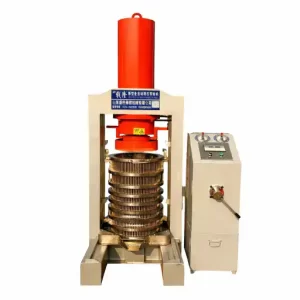
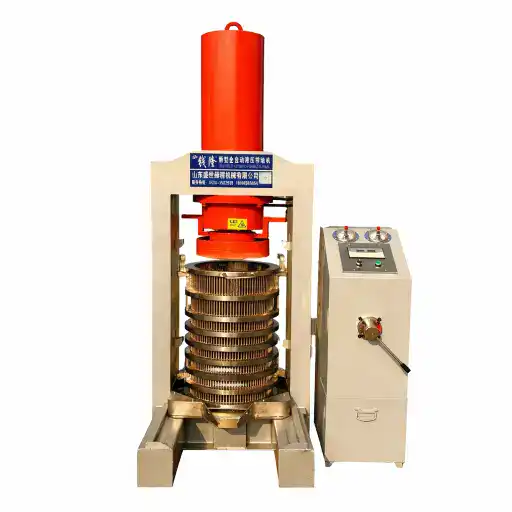
Use this library to check the visible equipment, process section, and project boundary before preparing a proposal or quotation package.
Complete coconut process media library covering production videos, equipment images, alternate image sizes, and brand marks for project discussion.
Short and long clips for checking coconut water, milk pressing, oil, refining, and packing sections.
All retained equipment and process views, including different source sizes where they were available.
Brand marks are separated from equipment views so proposal materials stay clean.
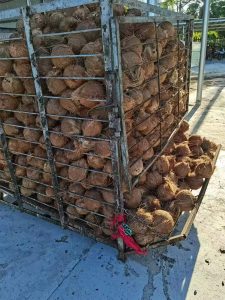
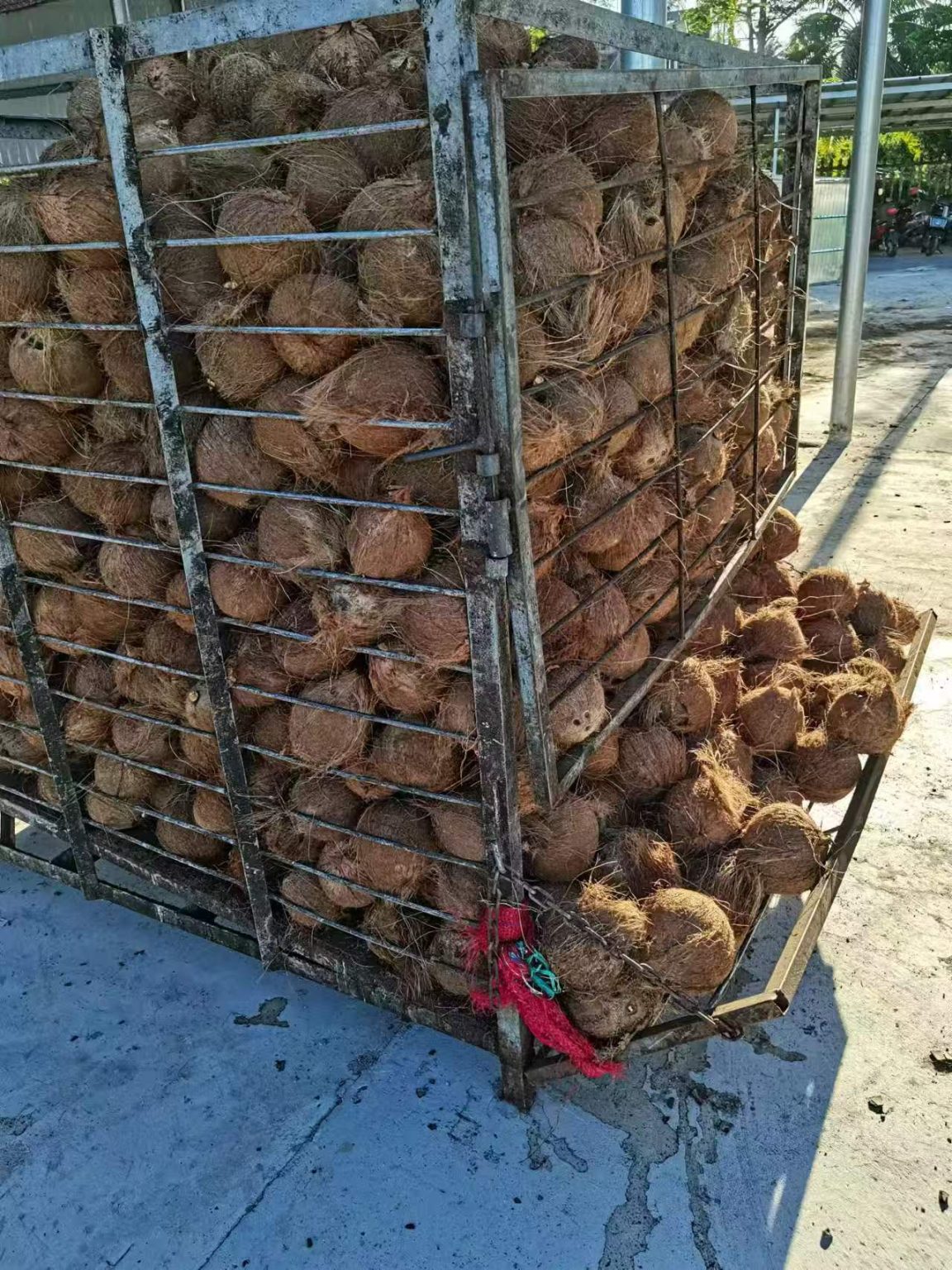
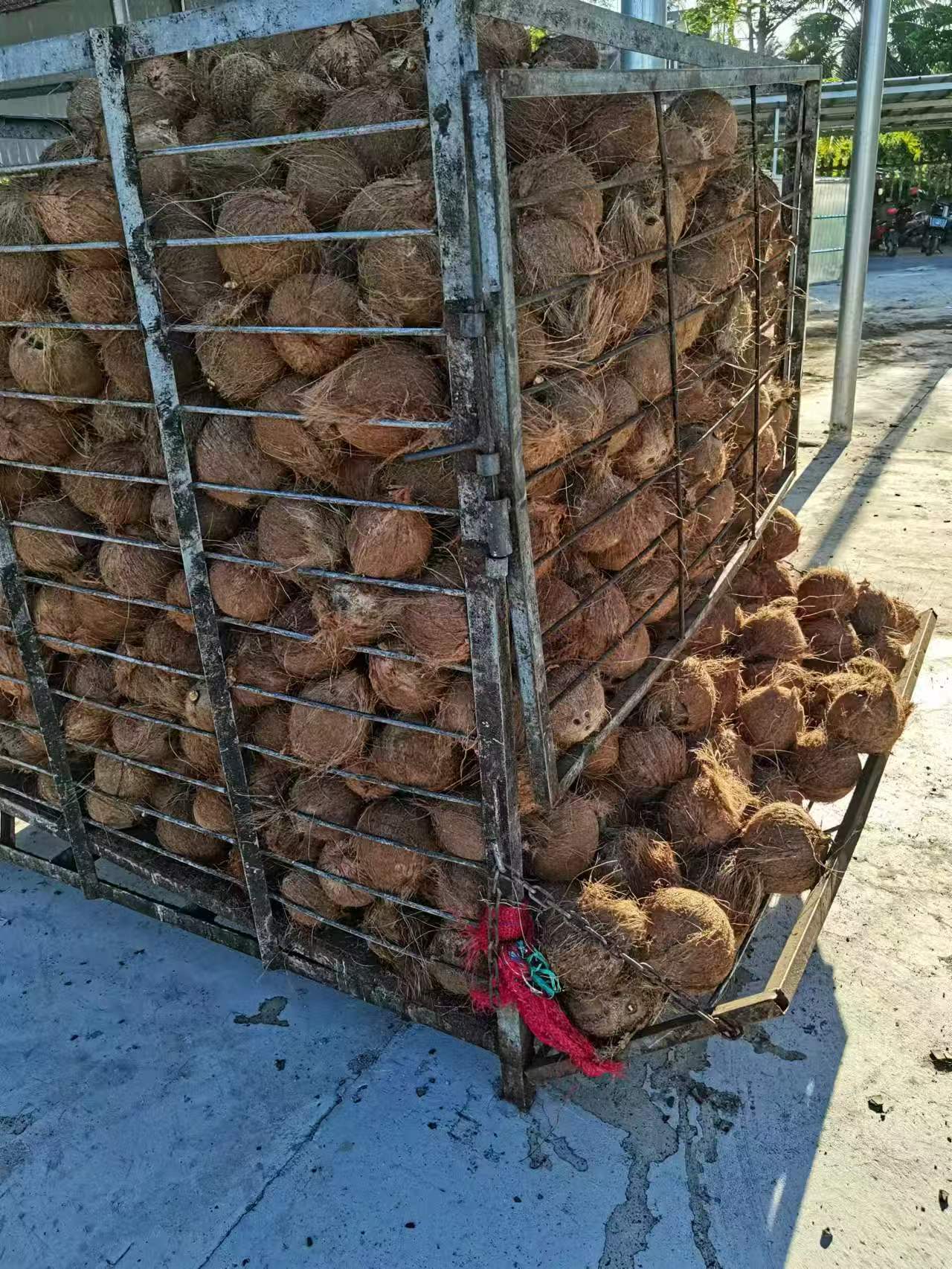
The reference line starts from mature coconuts and keeps multiple outlets in scope: filtered coconut water, fresh coconut milk, desiccated coconut, crude oil, refined edible oil, and bottled products.
All process videos
Watch the clips against the project scope: whole coconut handling, water collection, kernel preparation, milk pressing, residue handling, oil storage, refining, and packing.
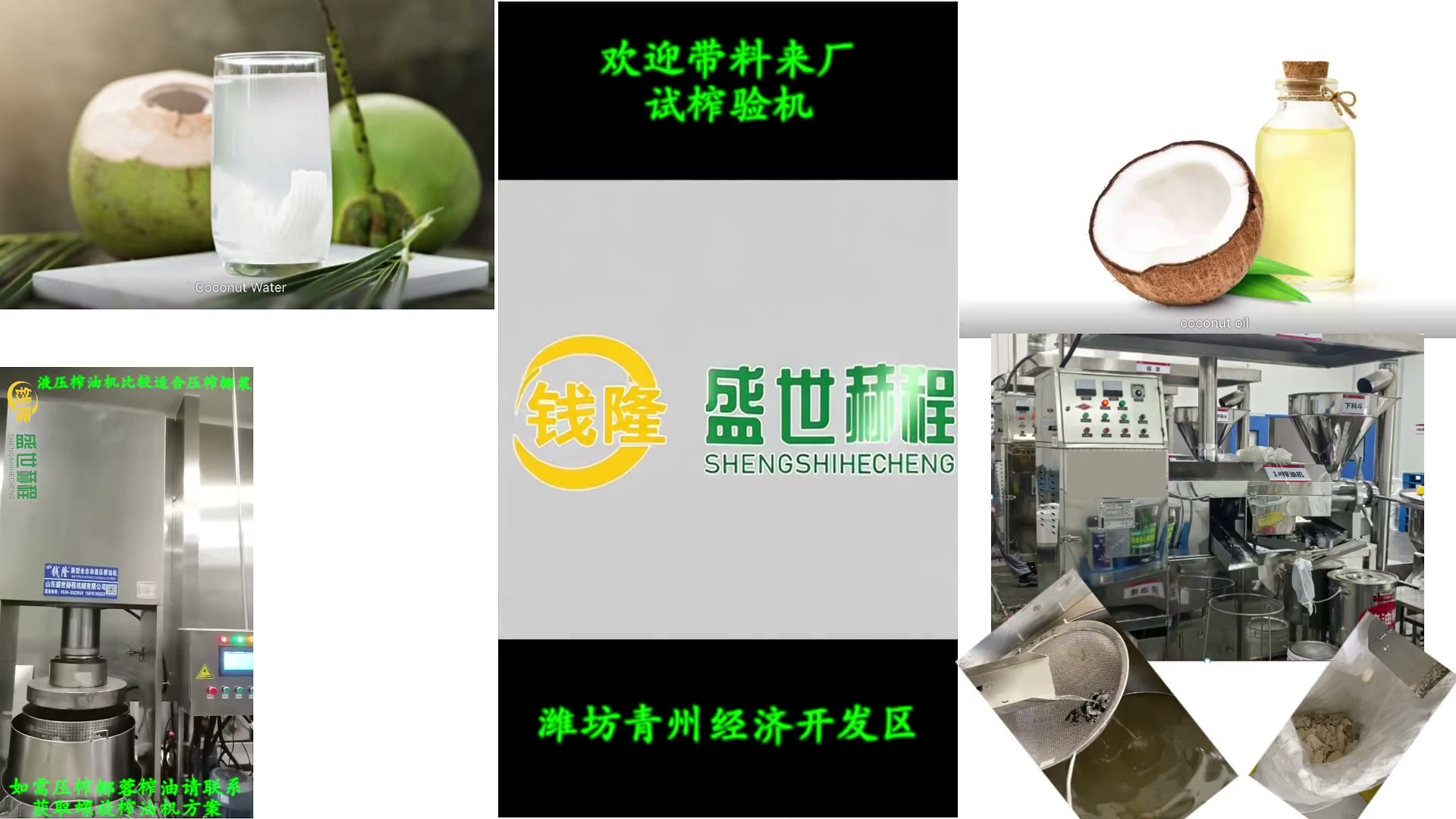
The reference line starts from mature coconuts and keeps multiple outlets in scope: filtered coconut water, fresh coconut milk, desiccated coconut, crude oil, refined edible oil, and bottled products.
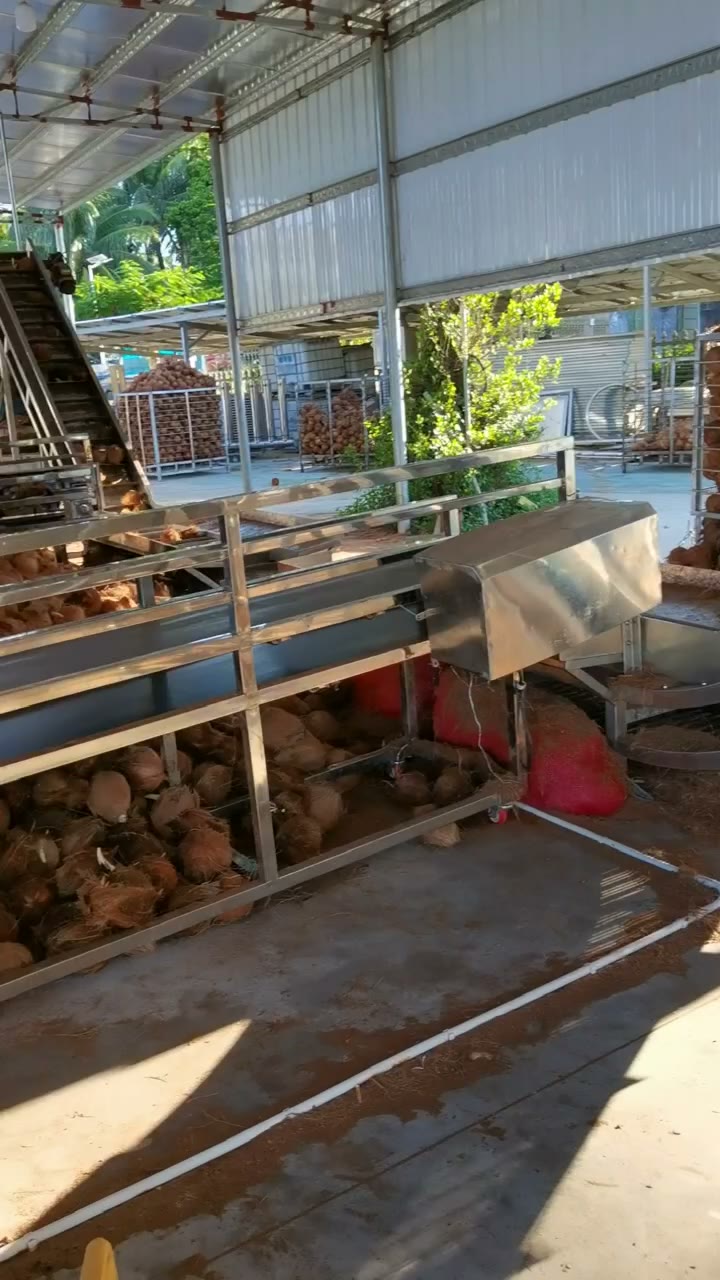
This short clip belongs to the front-end handoff after dehusking, where coconuts are moved continuously and hygienically toward peeling, water collection, and meat processing.
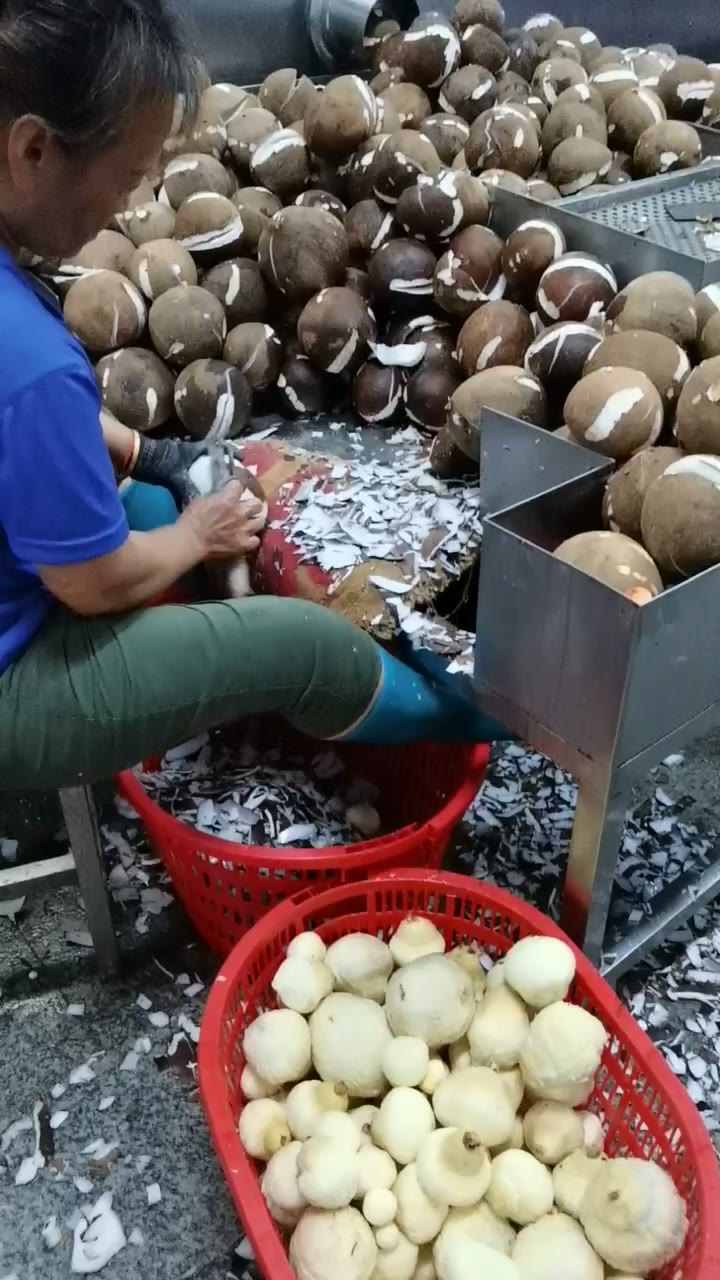
The reference page uses twenty 600 x 600 mm peeling stations so the hard shell can be removed before water extraction and coconut meat preparation.
Use this clip when coconut water is a saleable product. The line should then include collection, plate-and-frame filtration, stainless storage, and filling planning.
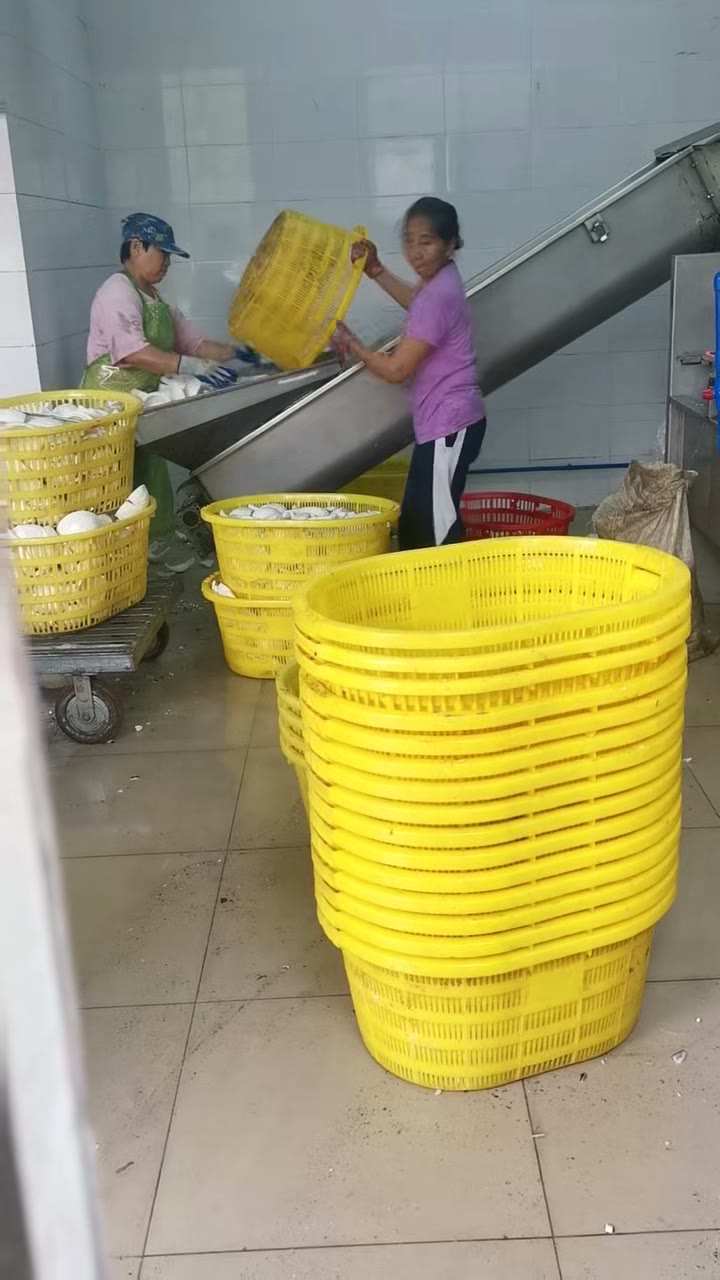
The washing section is sized in the reference page at 10 tons per day, mainly to remove shell fragments and impurities before the crusher.
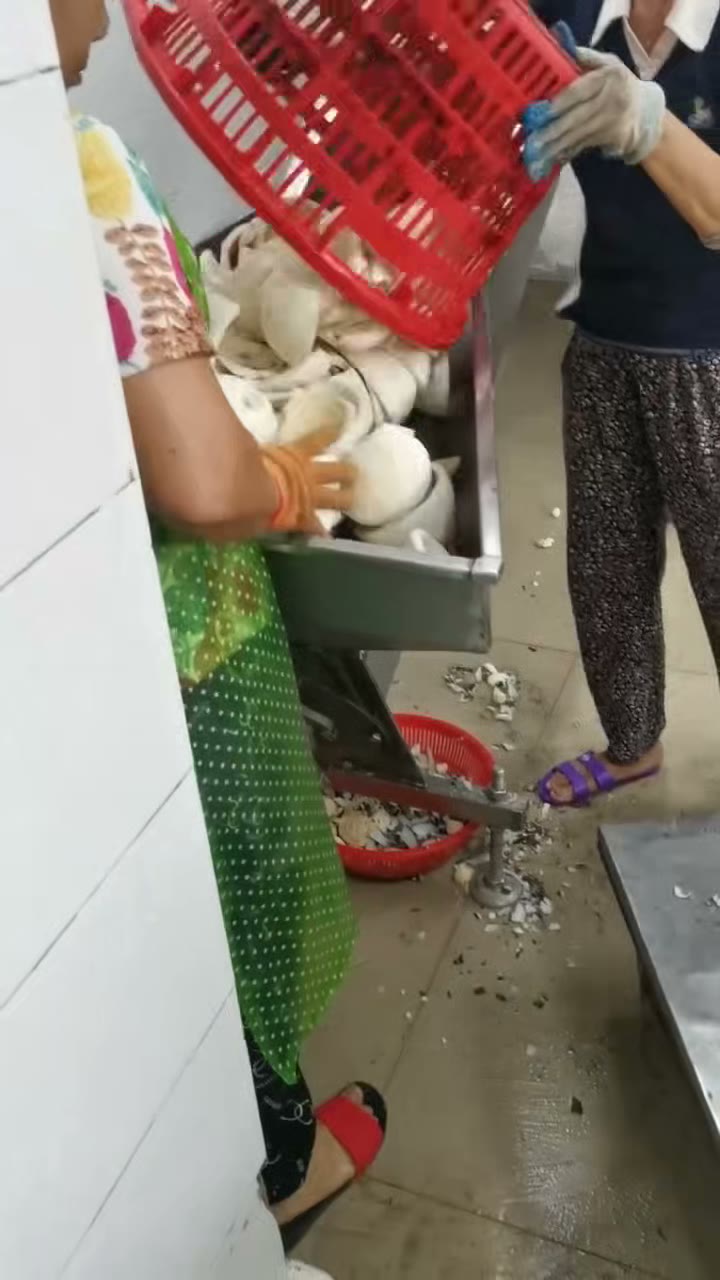
The crusher reduces coconut meat into smaller particles so the hydraulic milk press can reach a more stable extraction rate.
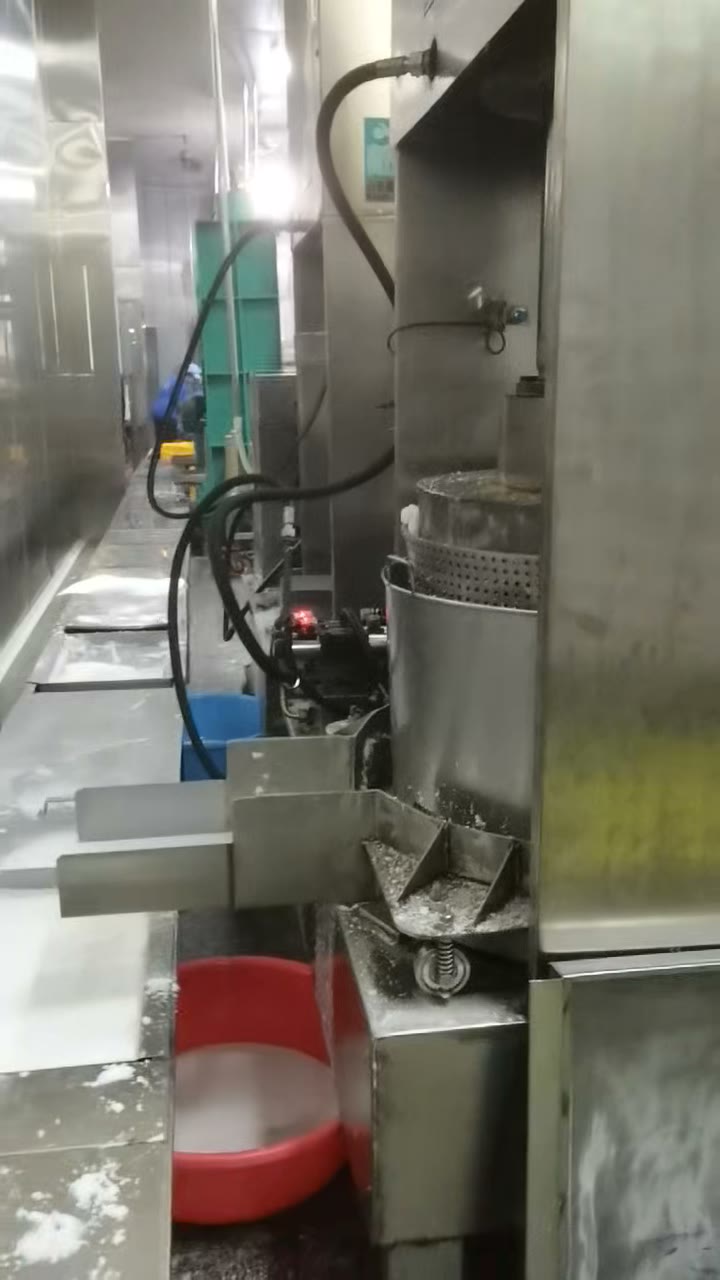
This is the material handoff before the 325 hydraulic coconut milk press. Moisture and particle size matter more here than press tonnage alone.
The reference configuration uses four 325CG-A hydraulic presses, 2.2 kW each, for batch coconut milk extraction with an indicated 80% extraction rate.
After milk extraction and drying, the reference line sends dried coconut material through mixing, elevation, and two Model 128 screw presses rated at 160 kg/hour per machine.
This final clip belongs after refining and finished-oil storage, where the quote may include manual double-head filling, capping, labeling, and date coding.
Equipment and process images
These images keep equipment appearance, line sections, and alternate image sizes together, so the clearest view can be chosen while the complete record stays available.
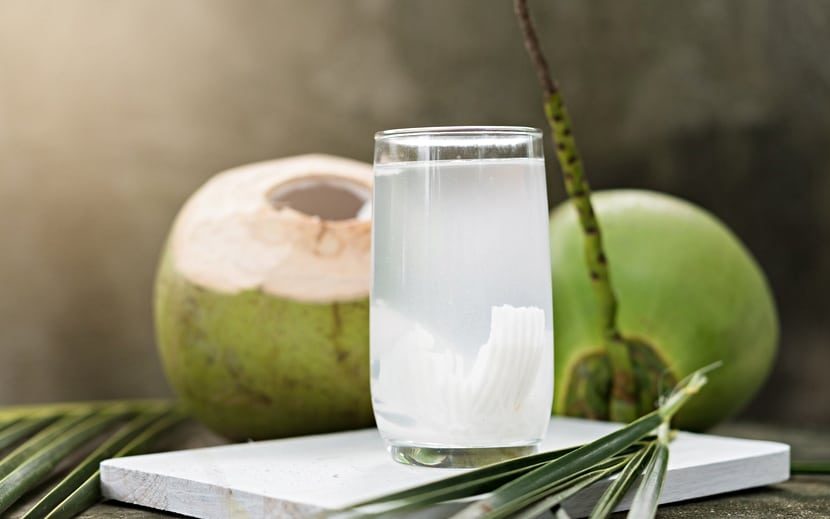
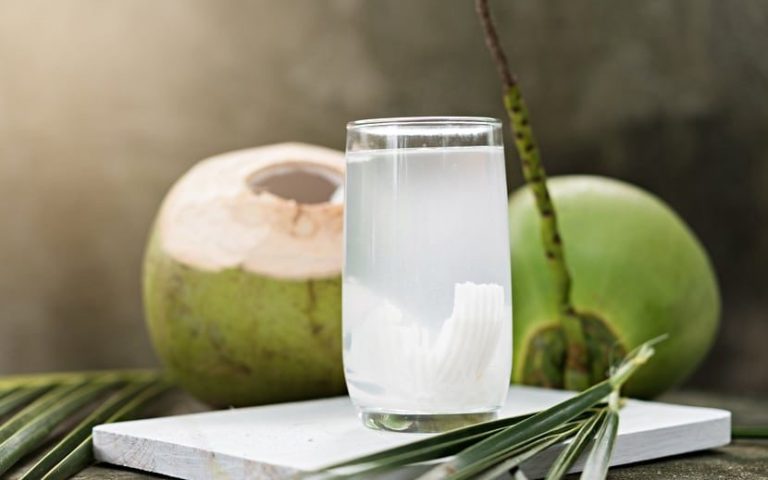
Use this view when the project keeps coconut water as a bottled or stored product instead of draining it away.

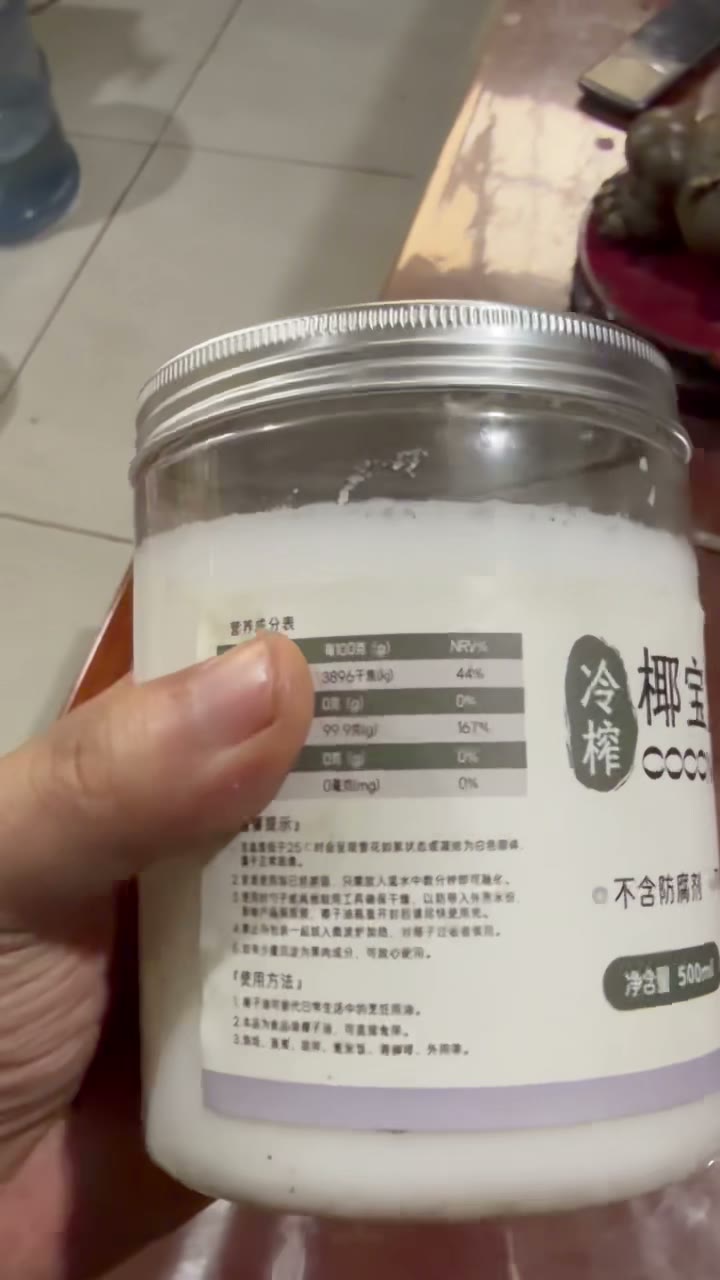
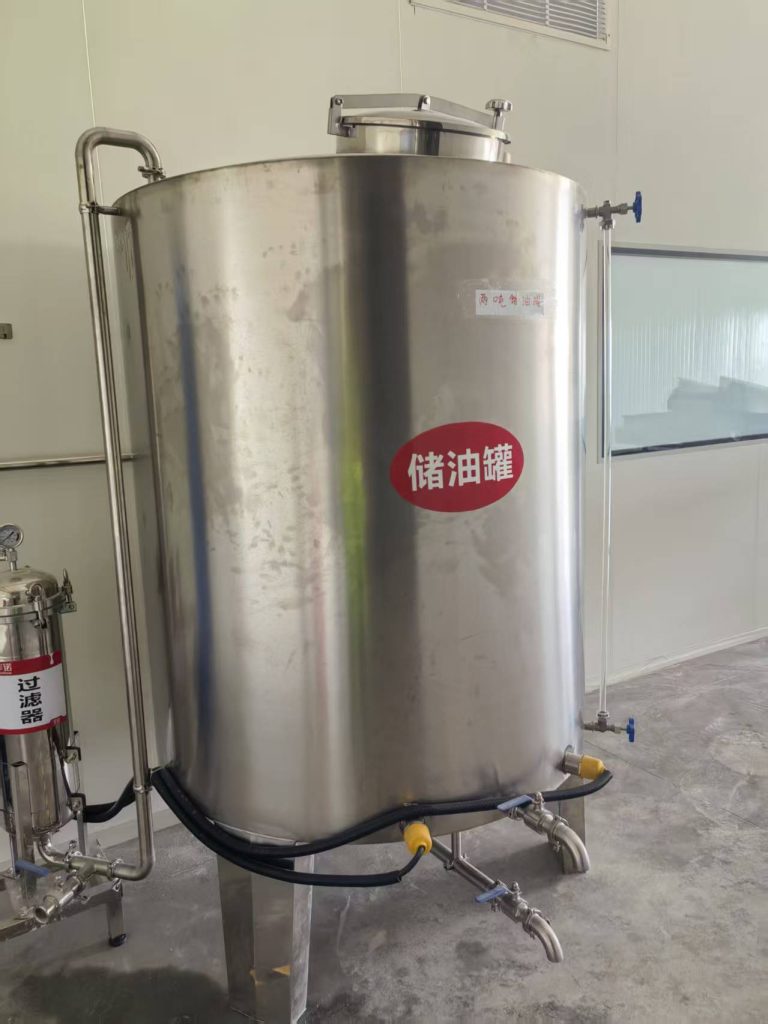
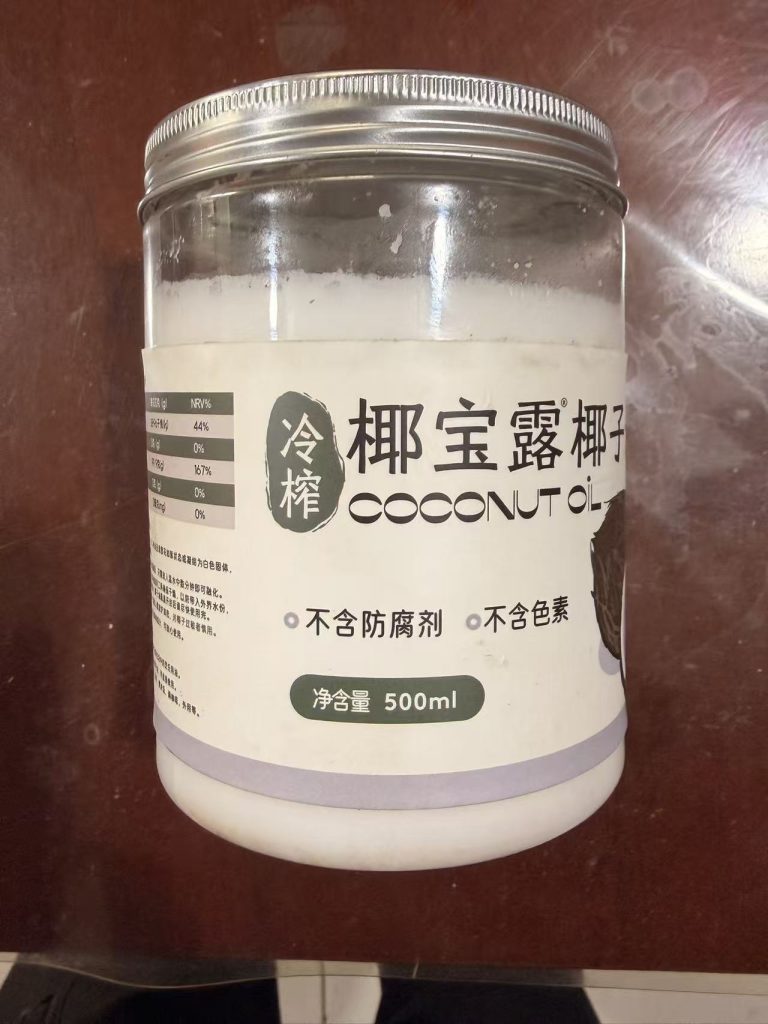
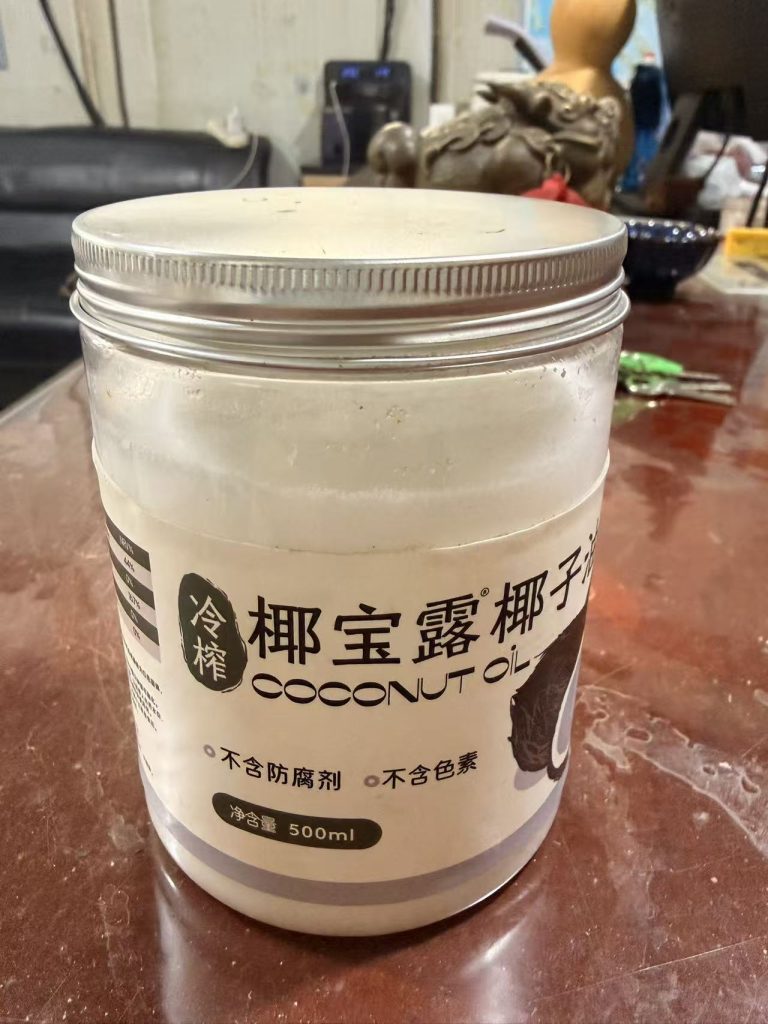
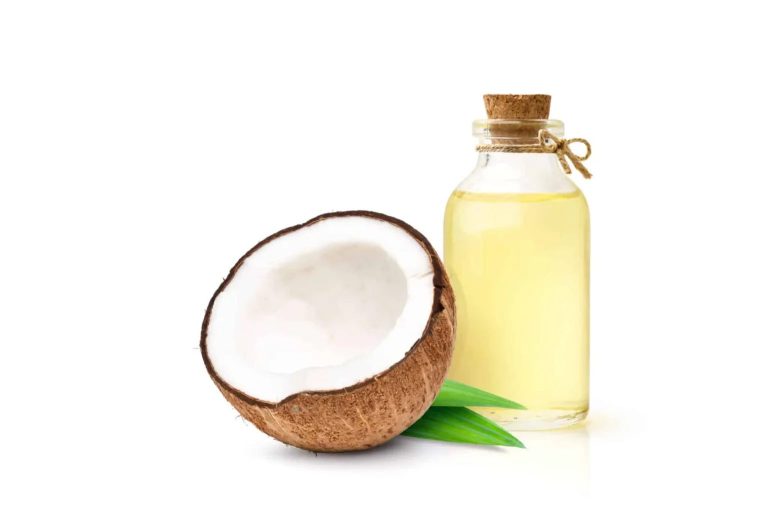
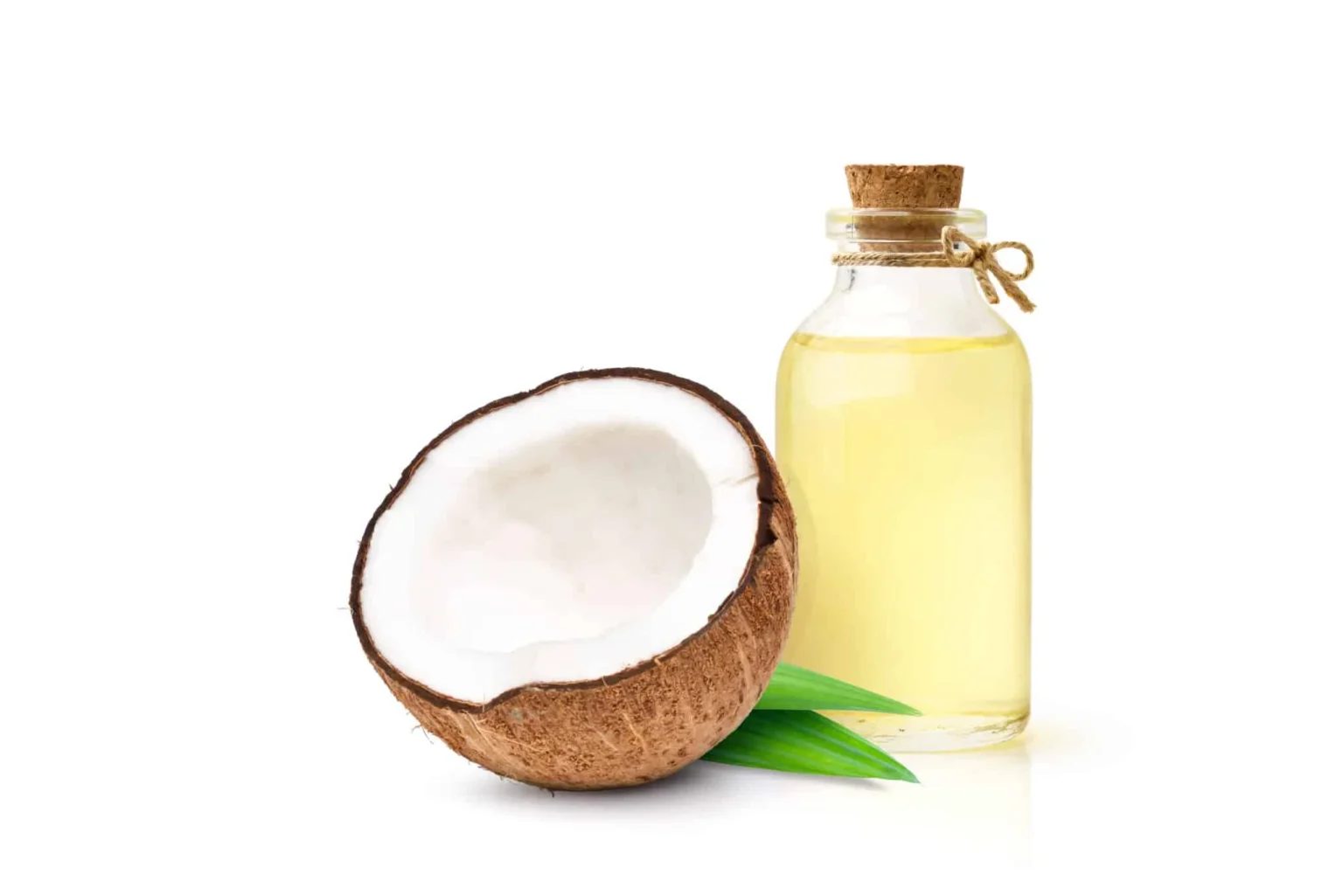
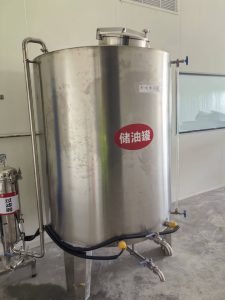
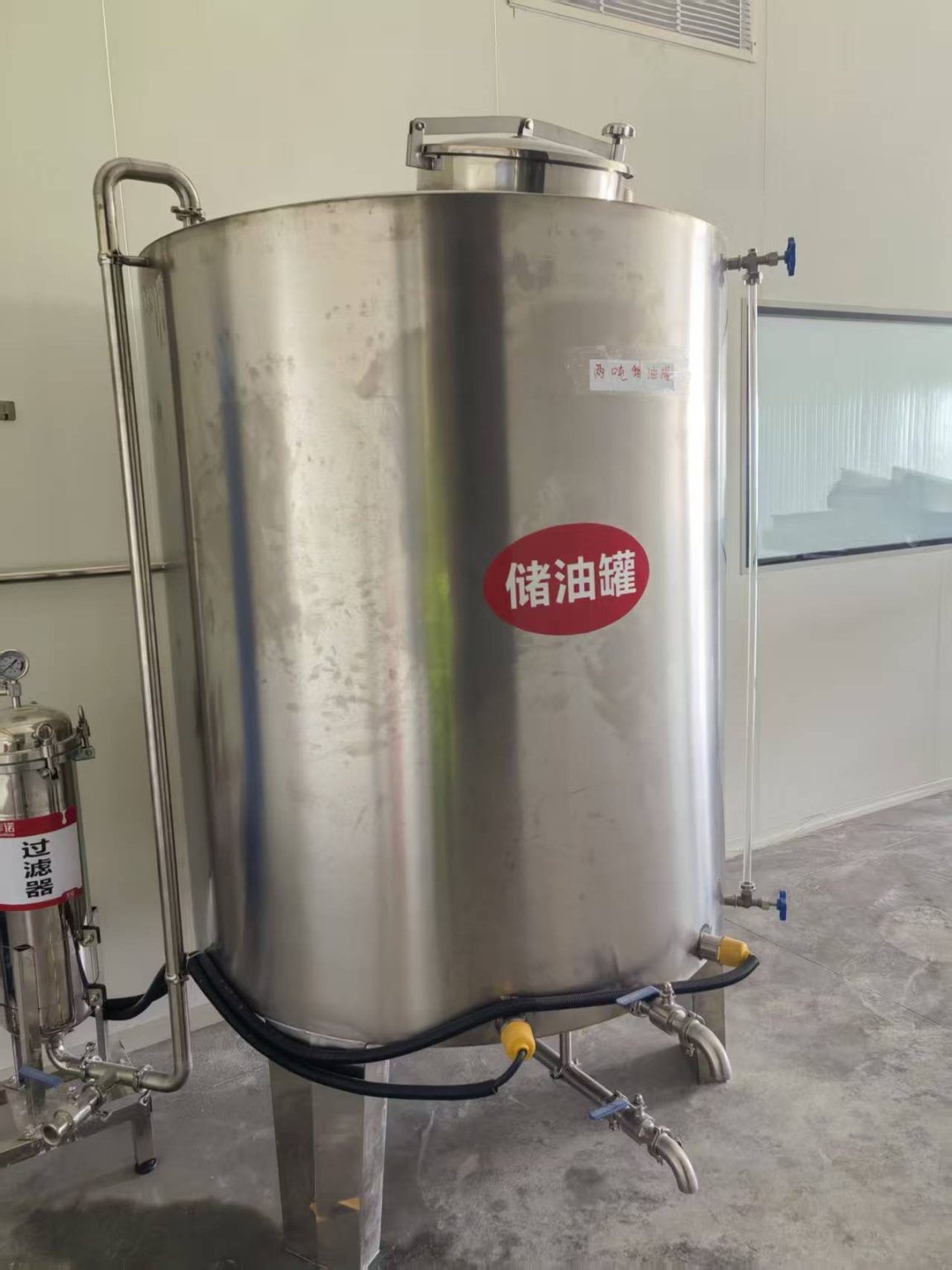
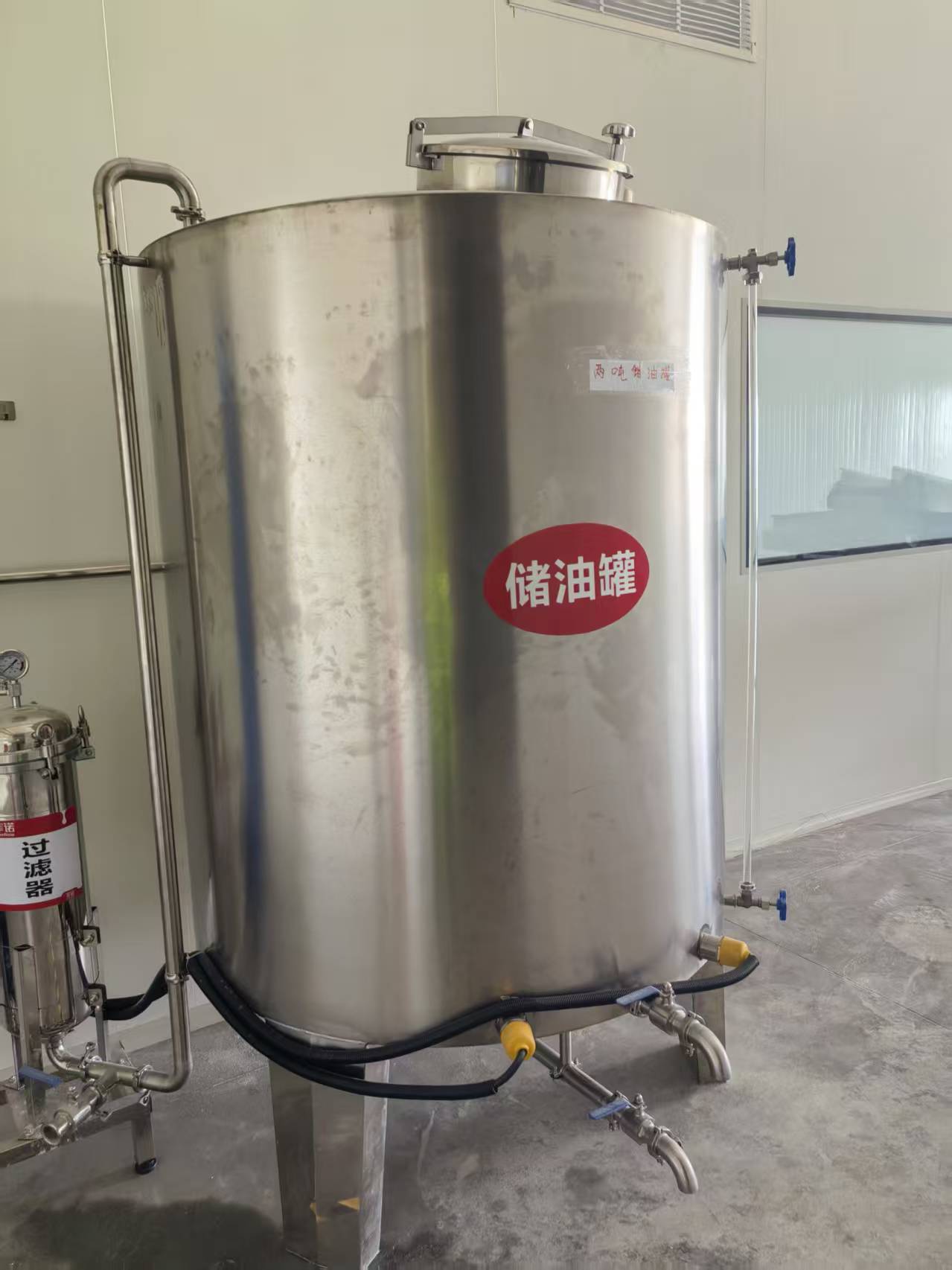
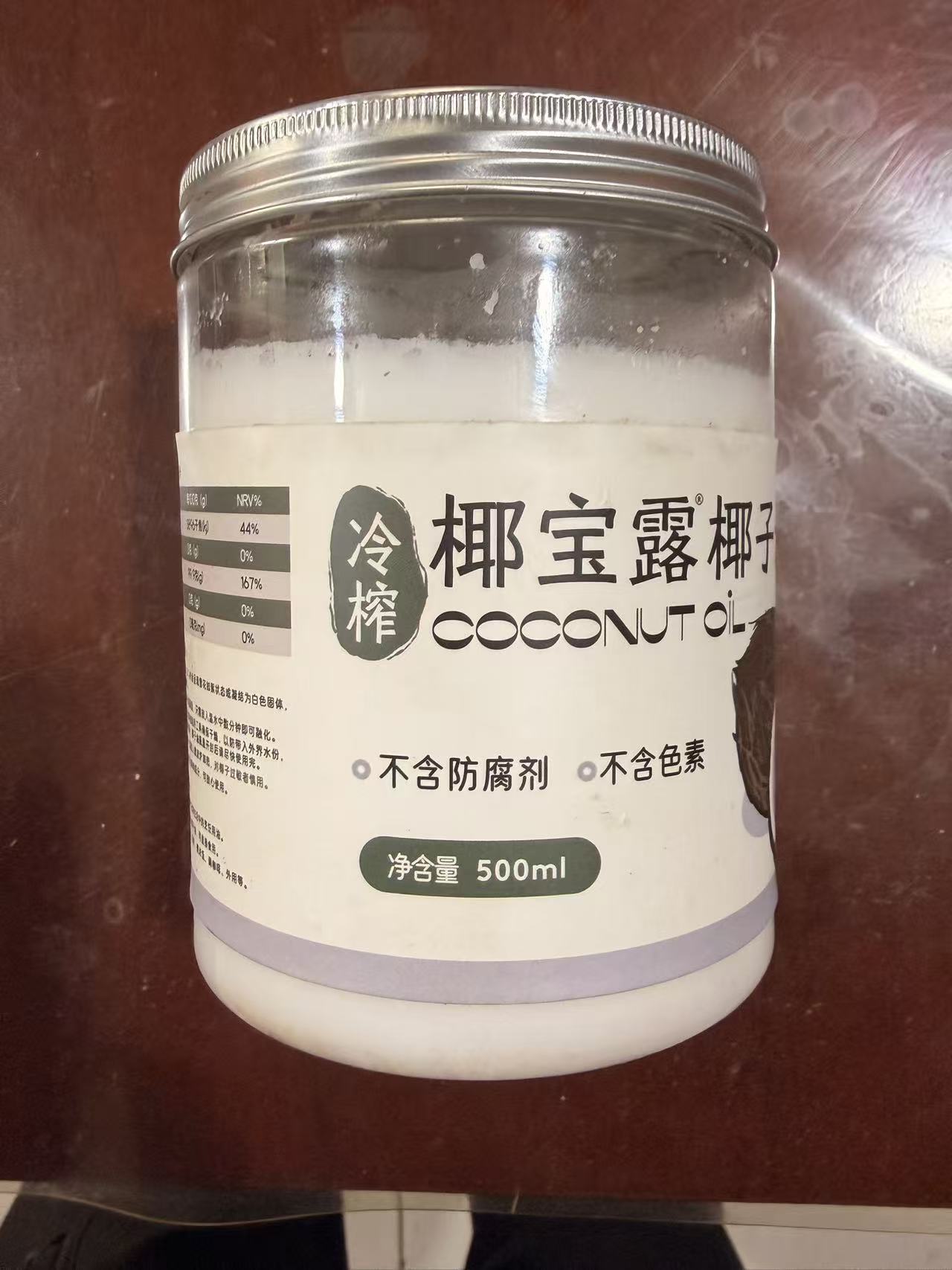
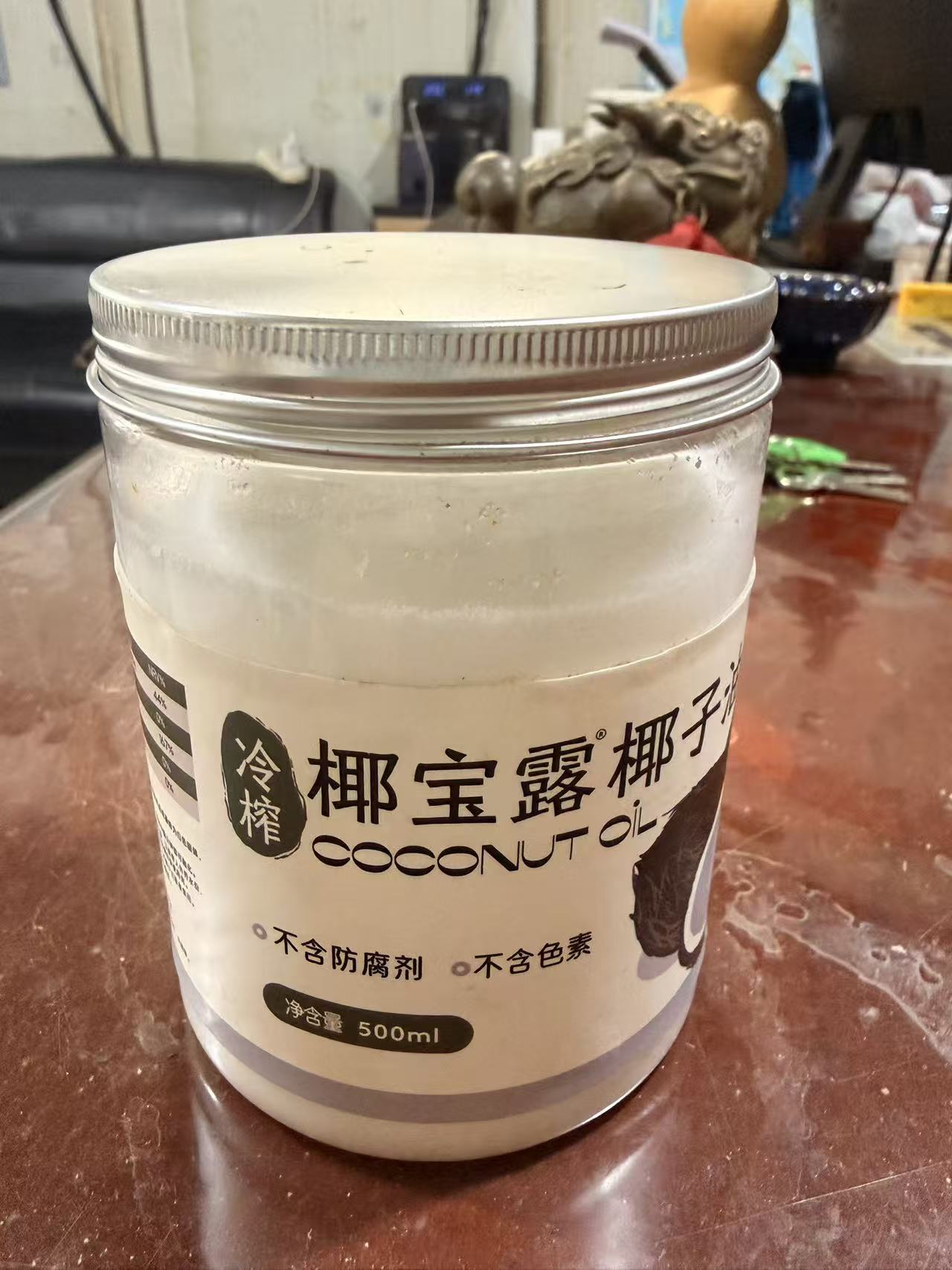
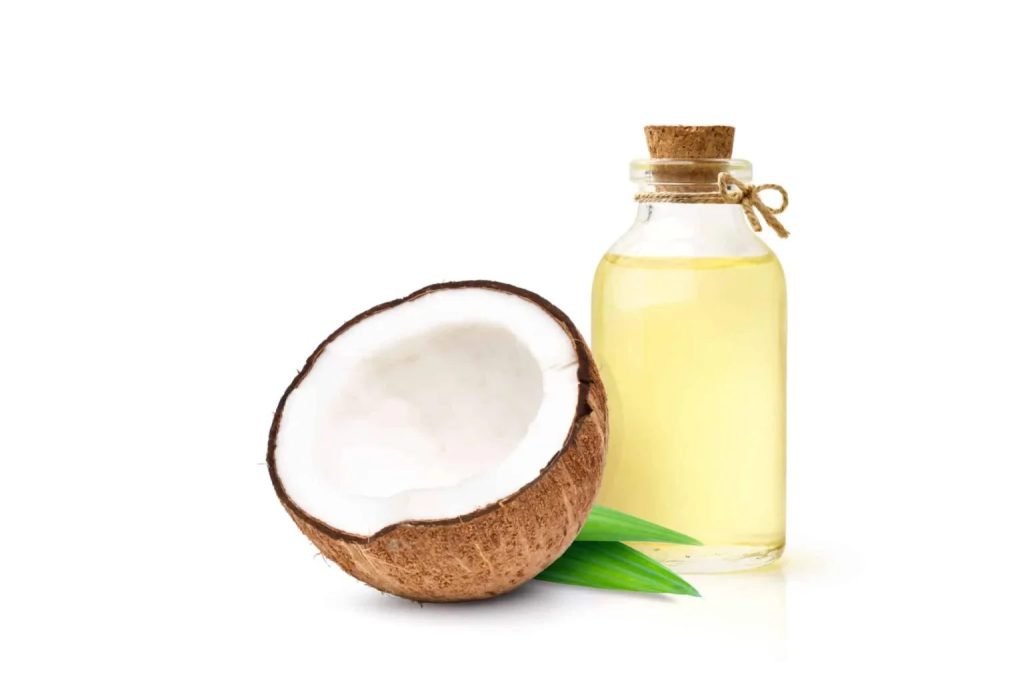
Use this view to distinguish crude oil, refined oil, and packed finished oil in the project boundary.

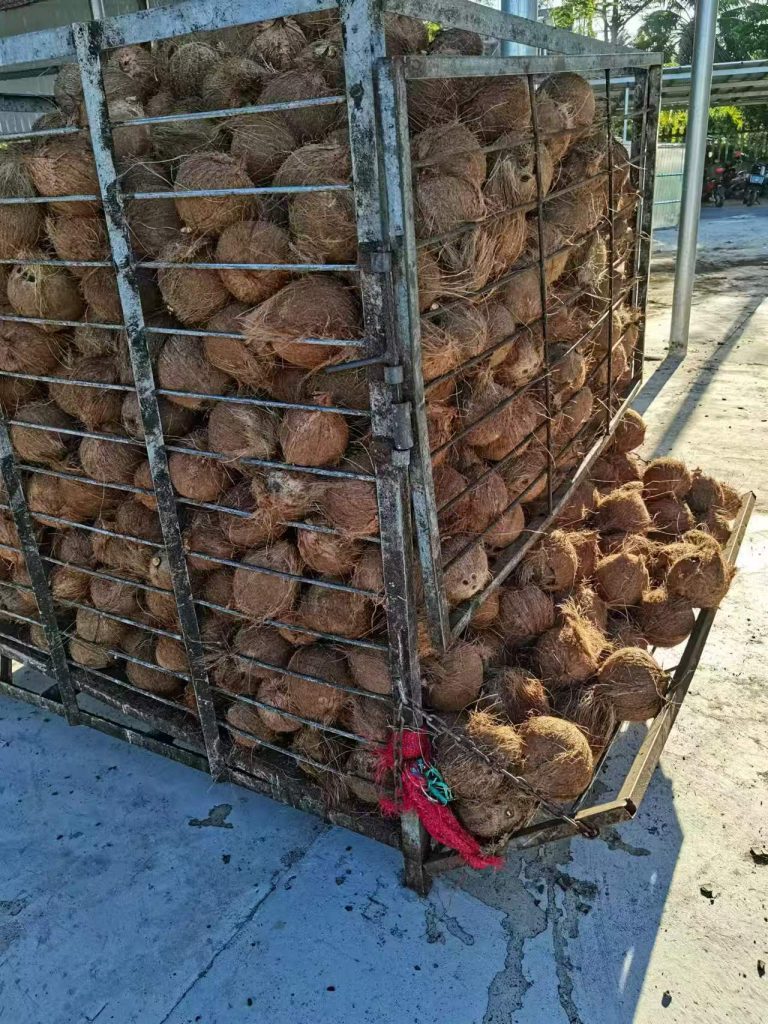
This front-end equipment removes the outer fiber before conveying, peeling, water collection, and meat preparation.

This tank sits after coconut water filtration and before filling, helping buffer the upstream peeling rhythm.

This belongs after hydraulic milk pressing when coconut milk is kept as a saleable product.

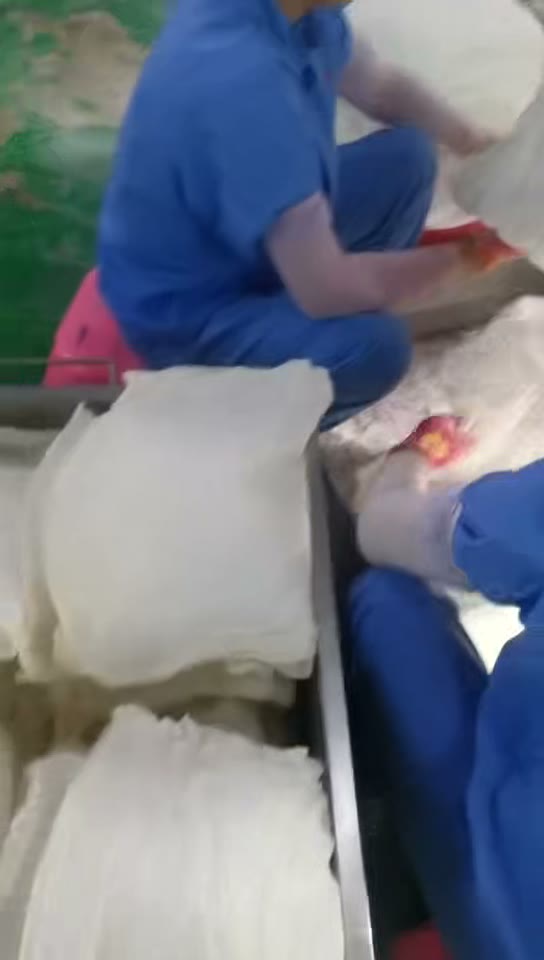
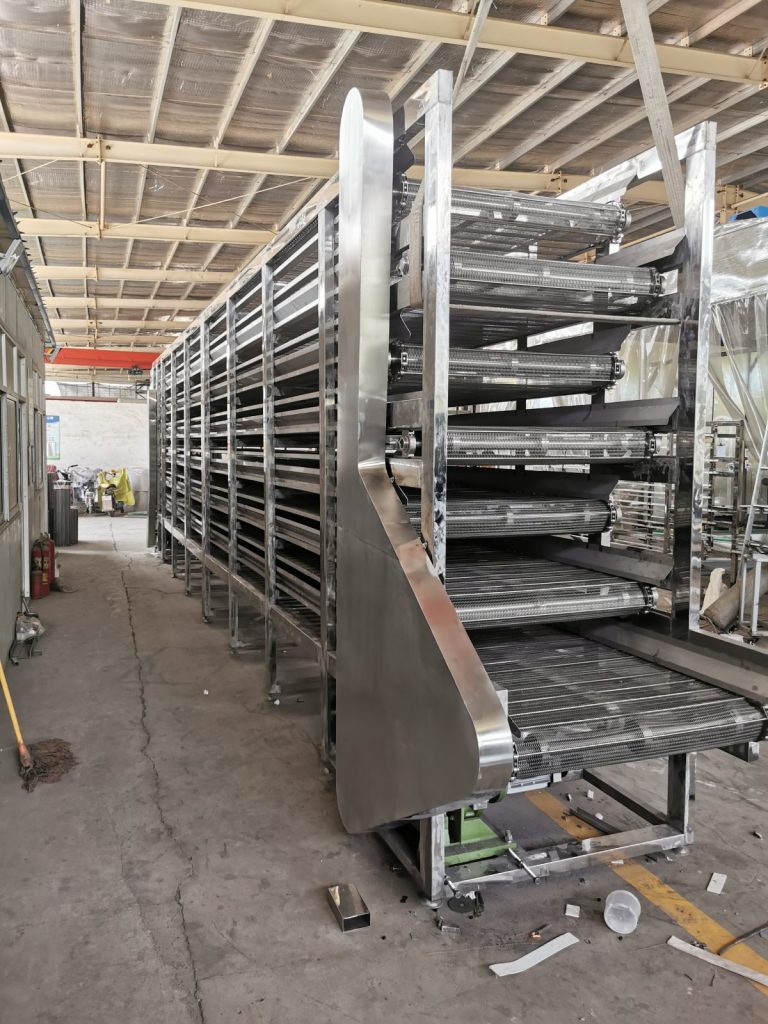
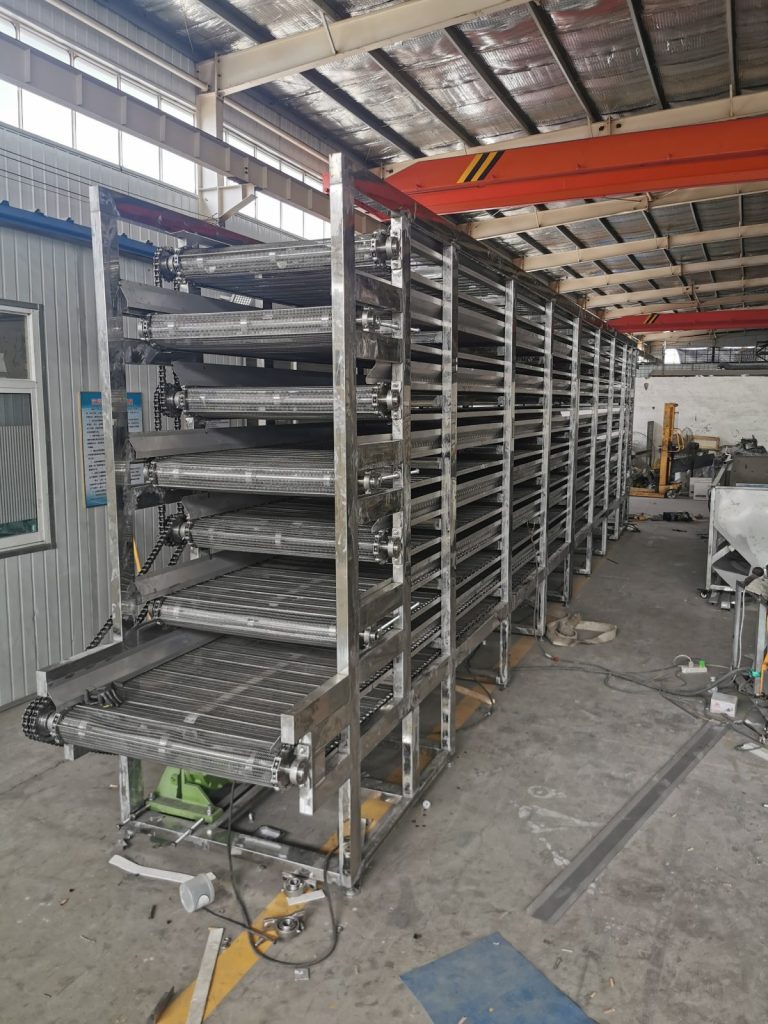
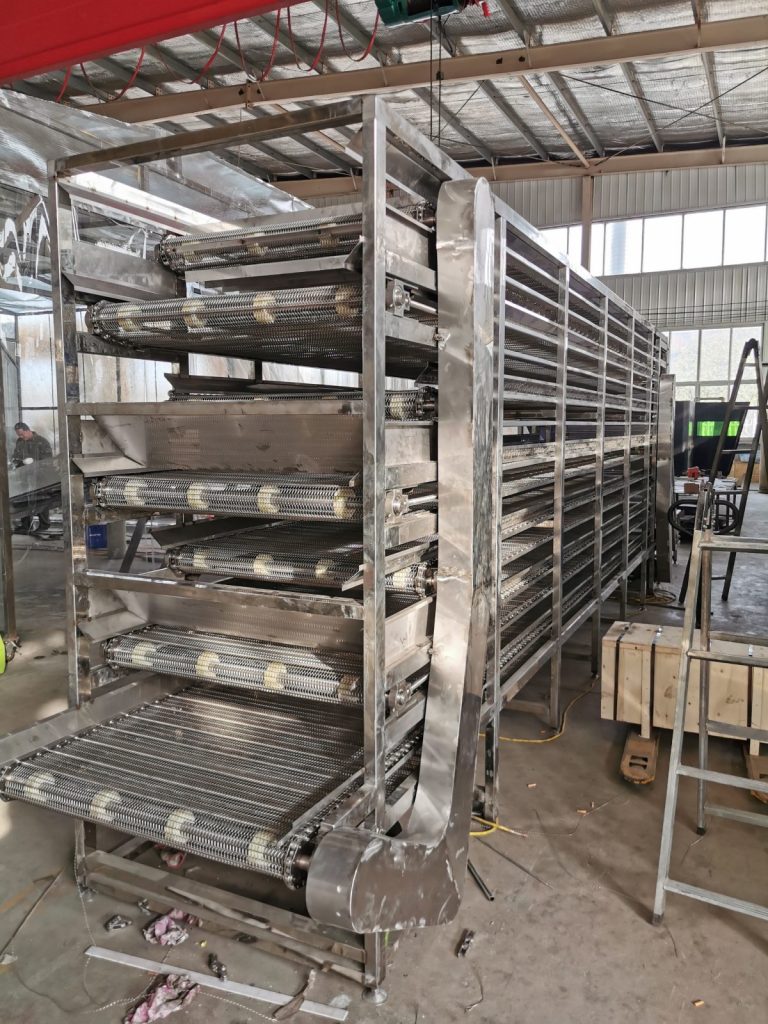
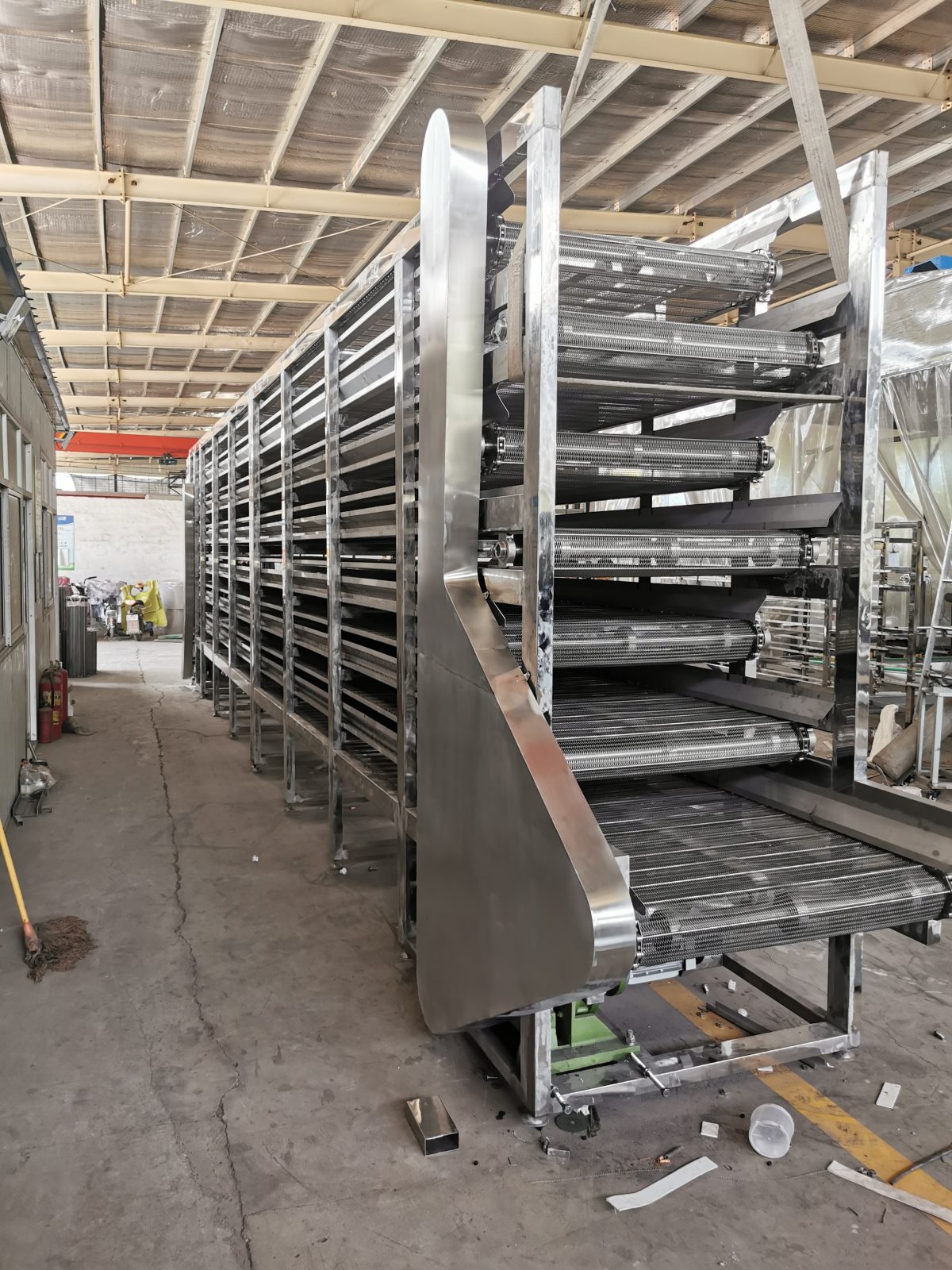
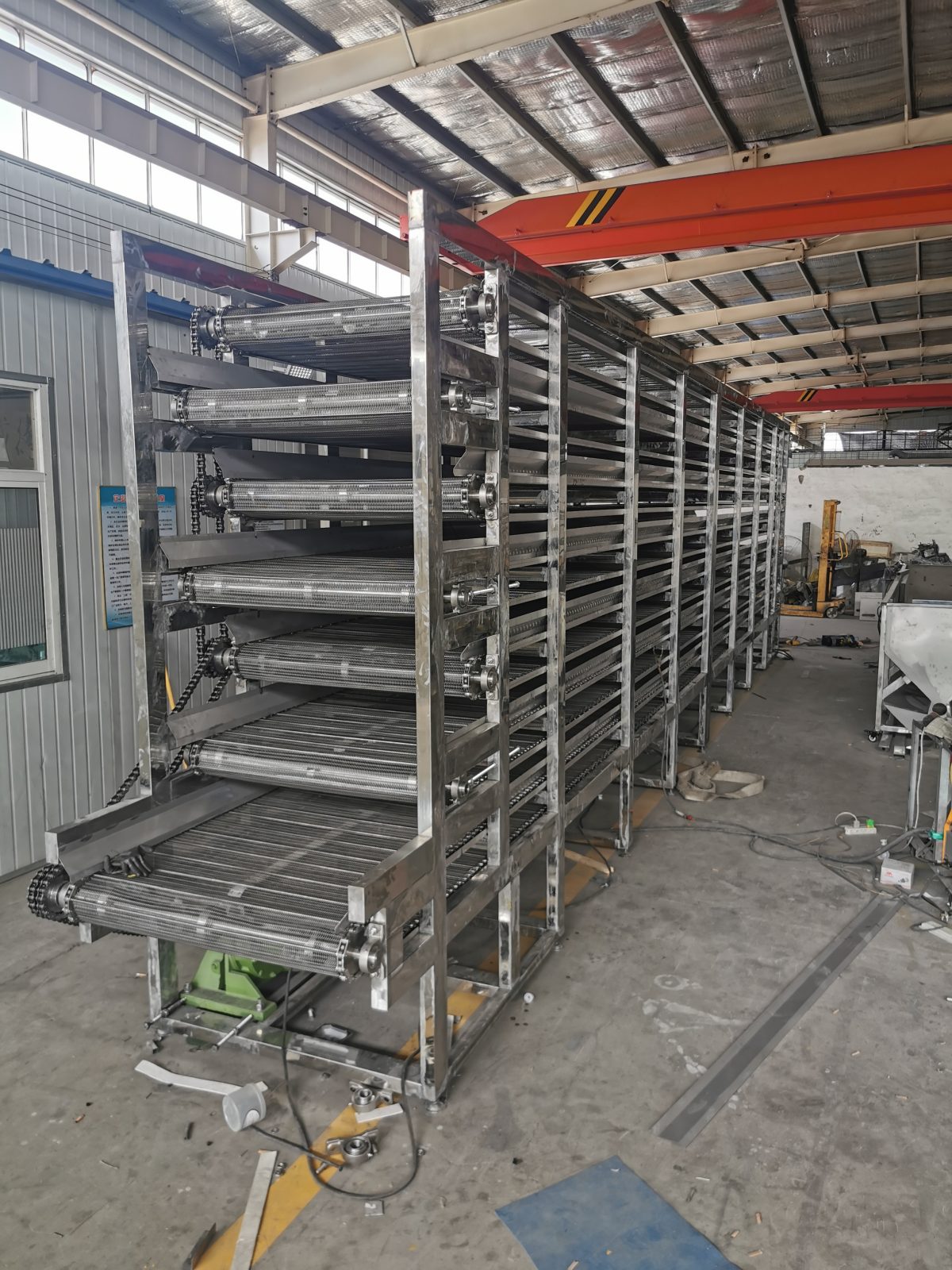
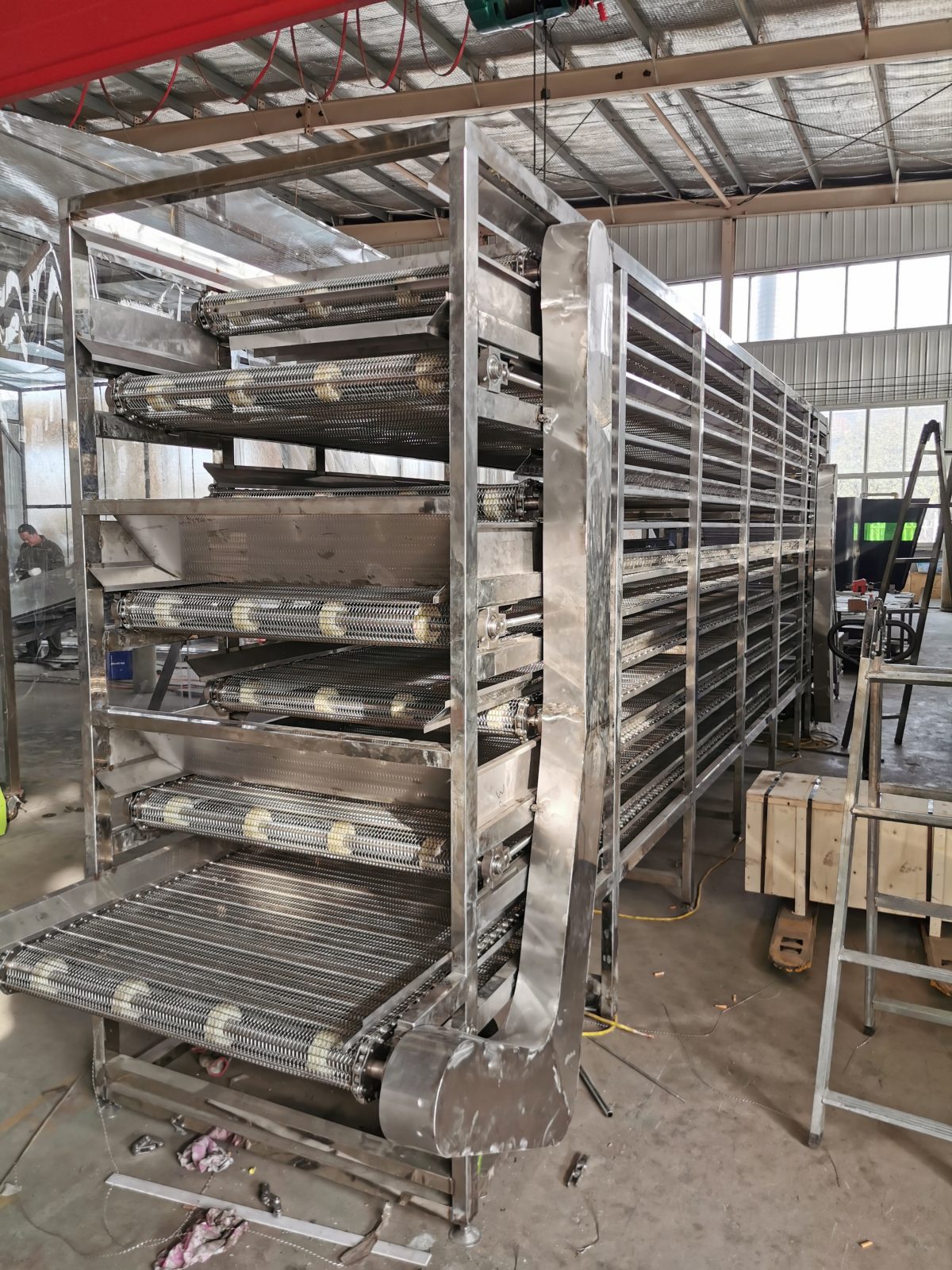
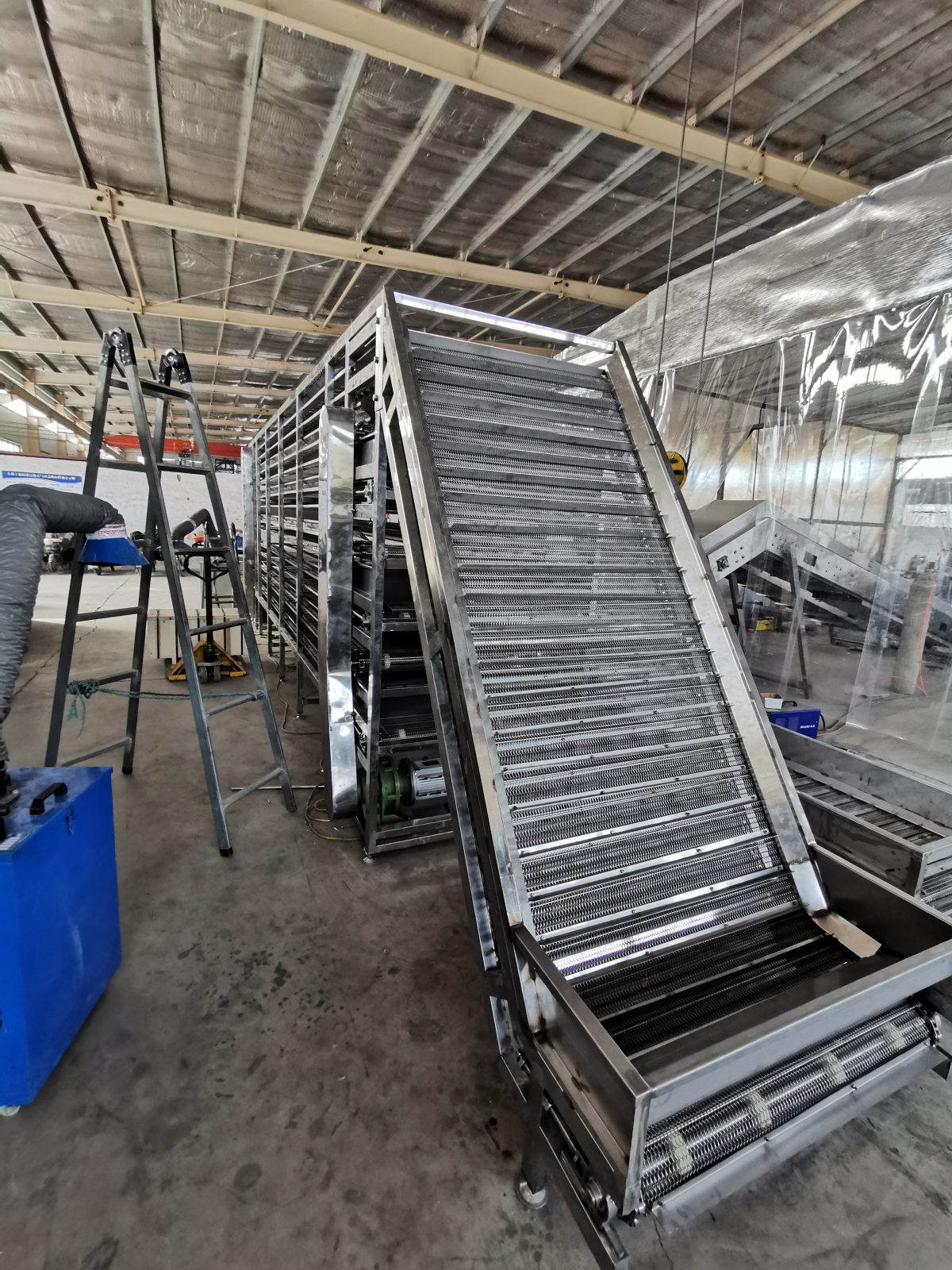
After coconut milk extraction, wet pulp is dried for desiccated coconut or for stable oil pressing feed.

After coconut milk extraction, wet pulp is dried for desiccated coconut or for stable oil pressing feed.

After coconut milk extraction, wet pulp is dried for desiccated coconut or for stable oil pressing feed.

After coconut milk extraction, wet pulp is dried for desiccated coconut or for stable oil pressing feed.

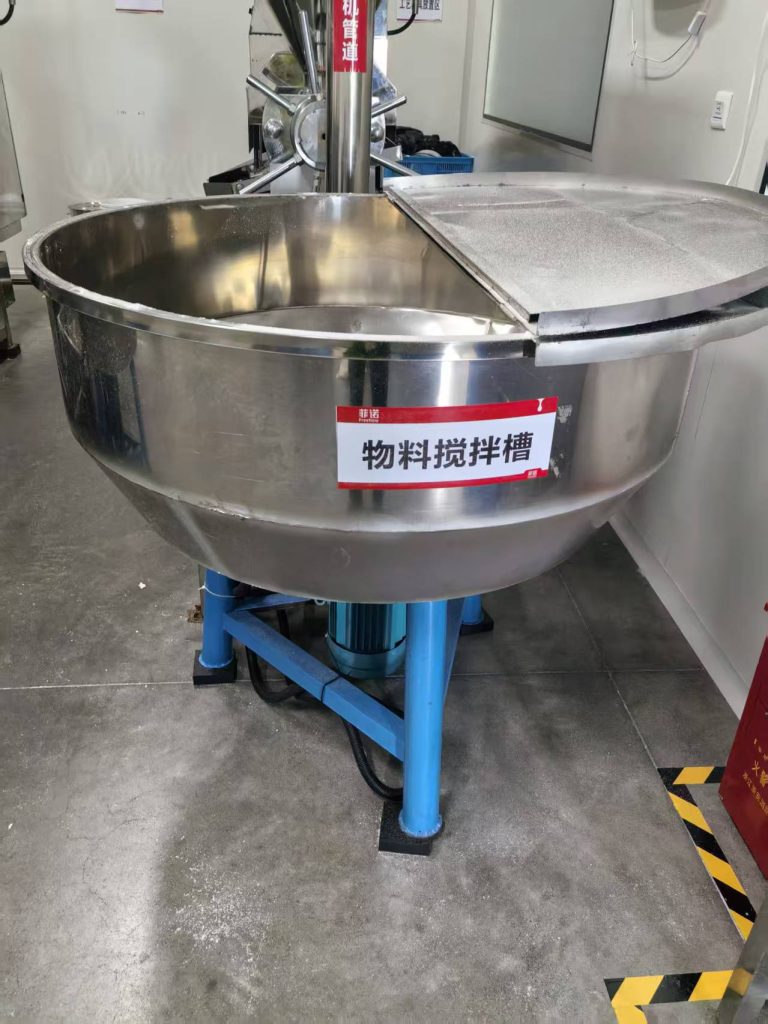
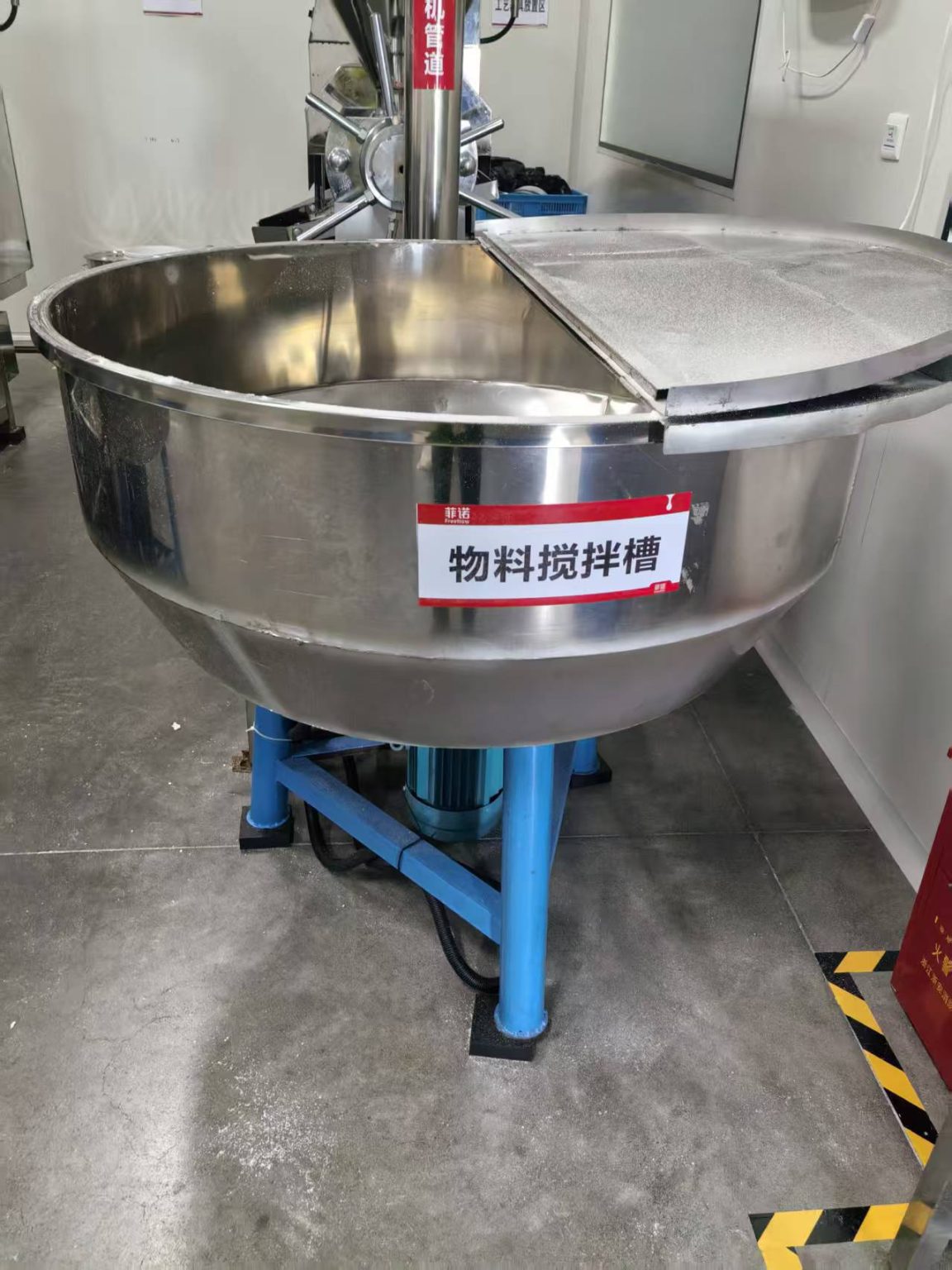
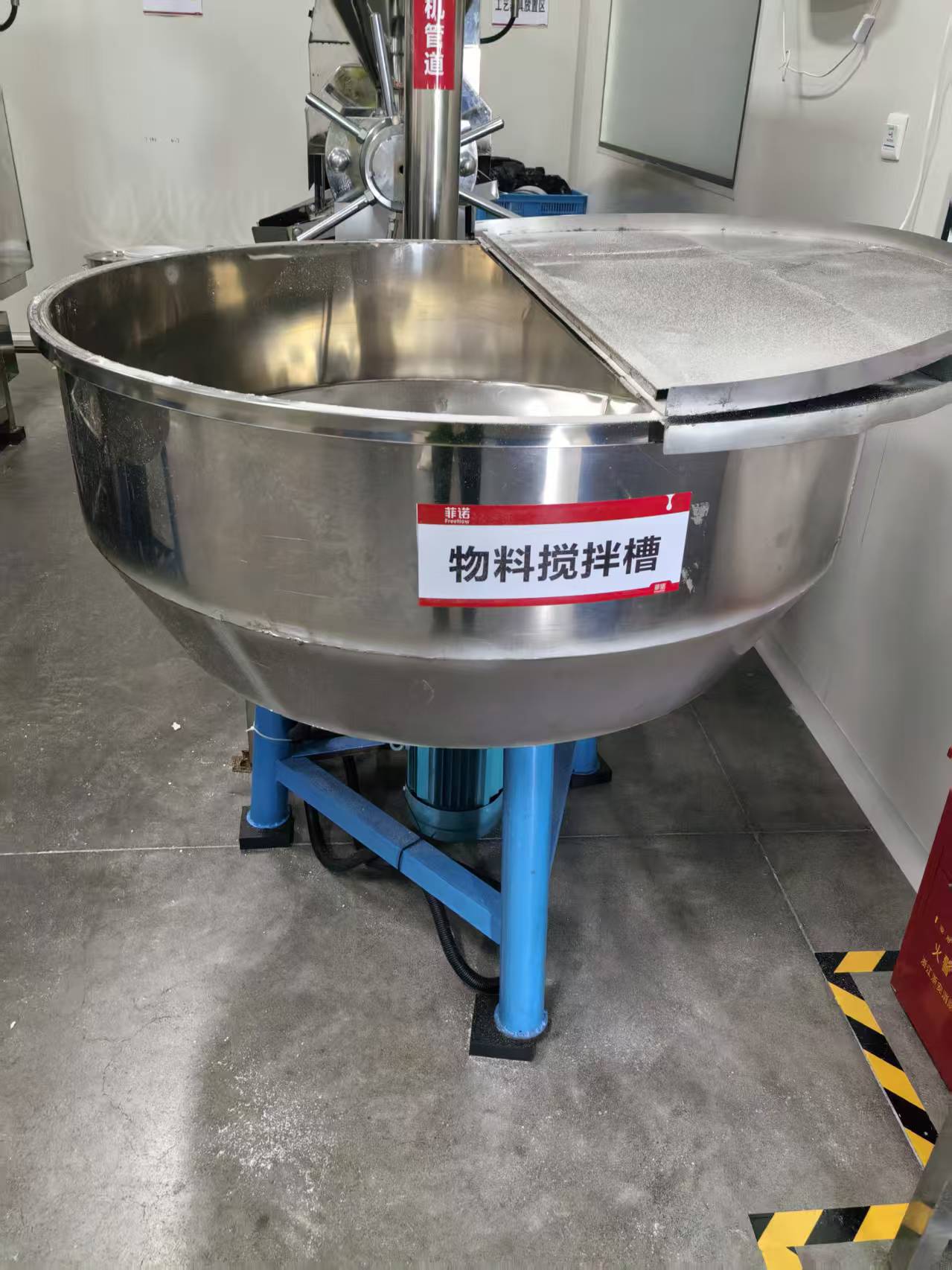
The mixing section evens out dried coconut material before it is lifted into the oil press.

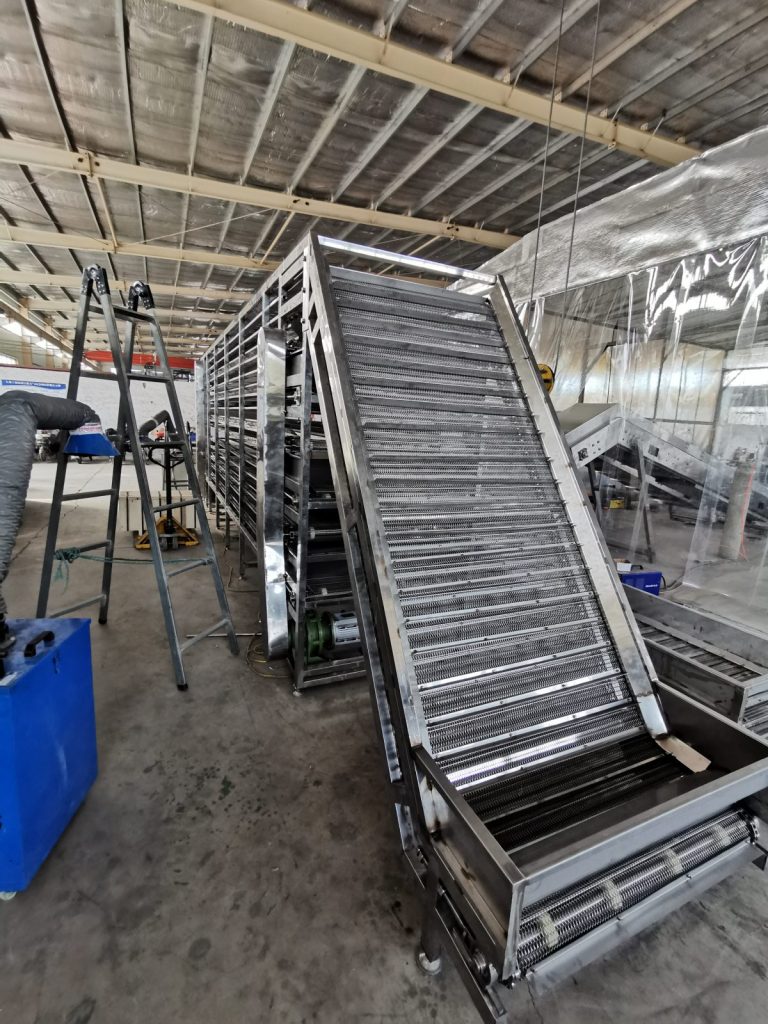
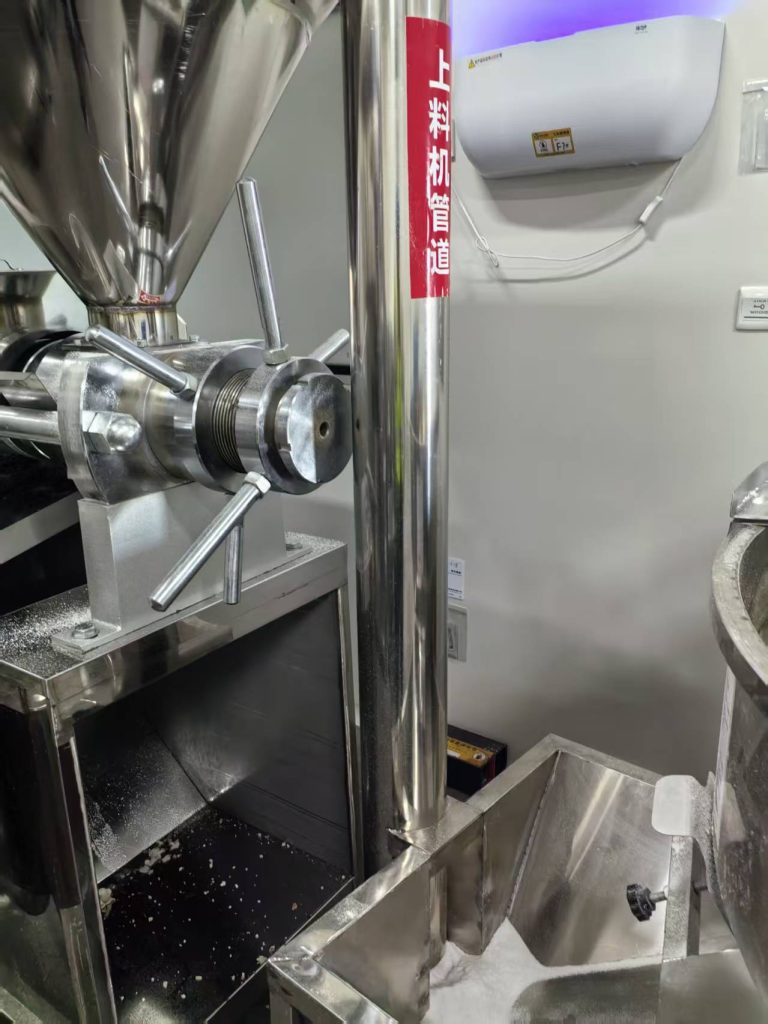
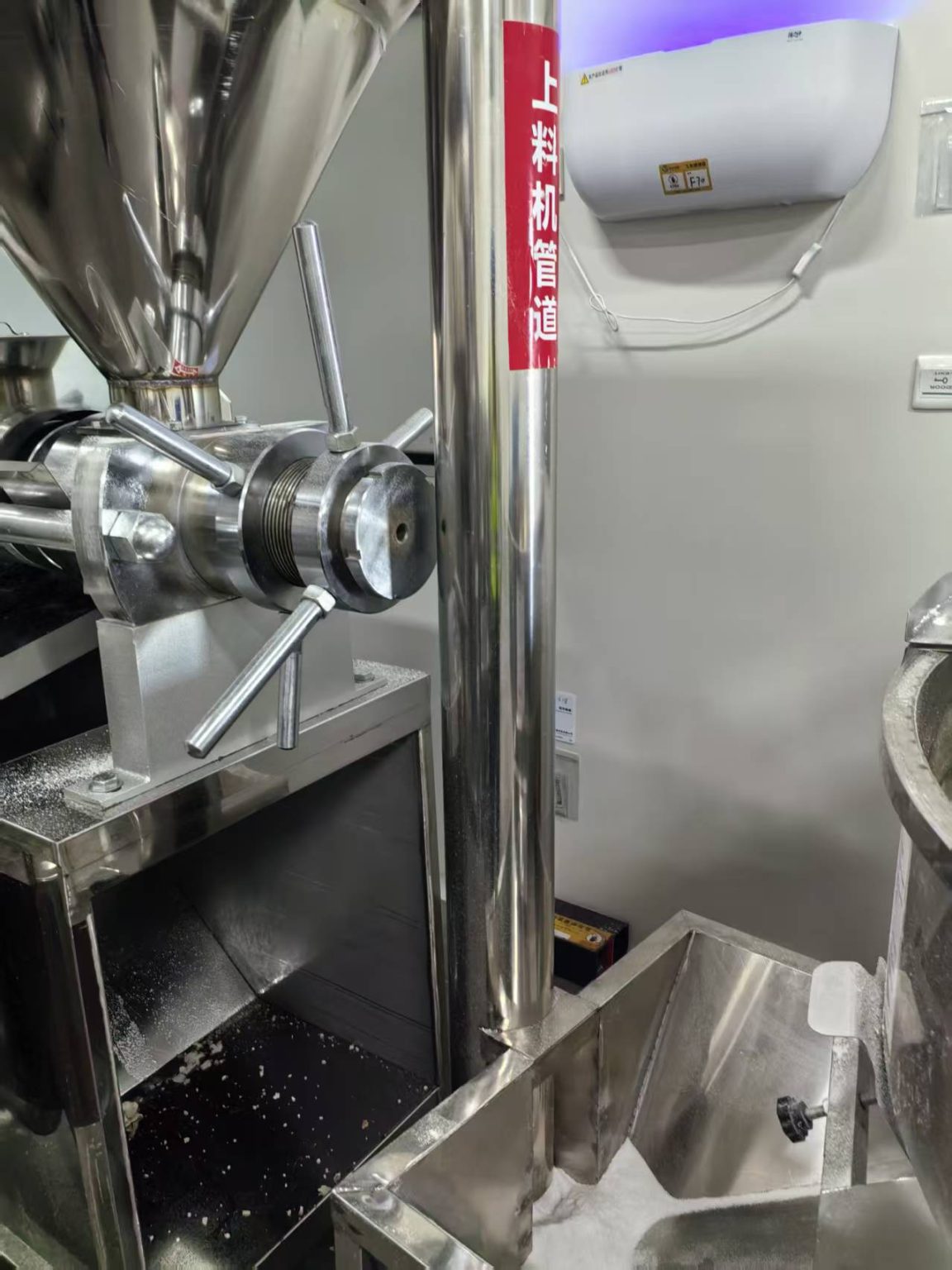
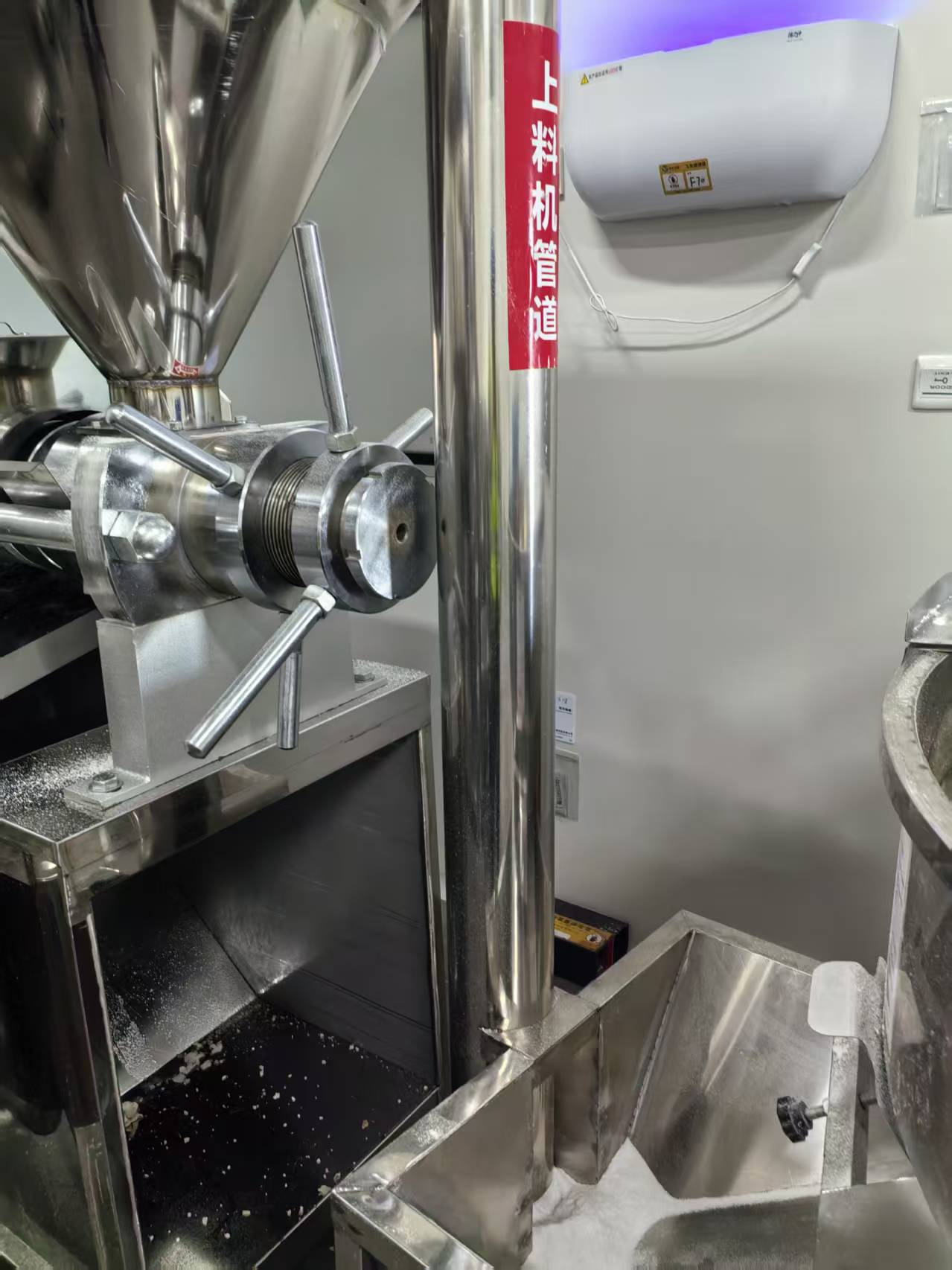
This connects drying and mixing with the oil extraction section in a continuous layout.

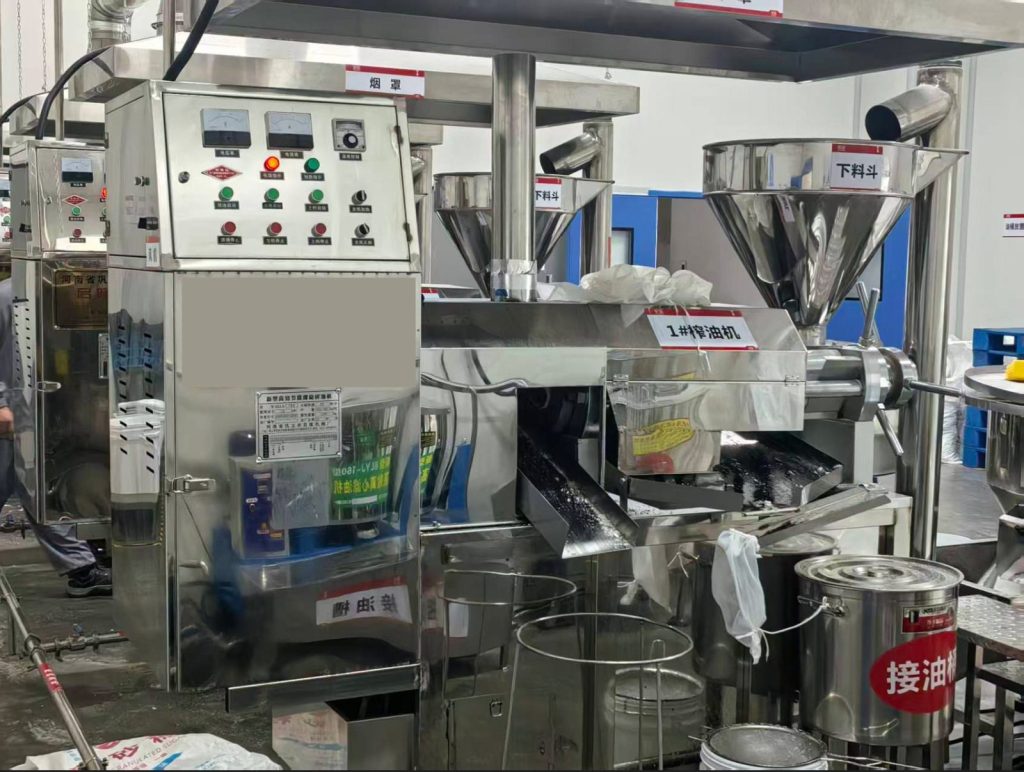
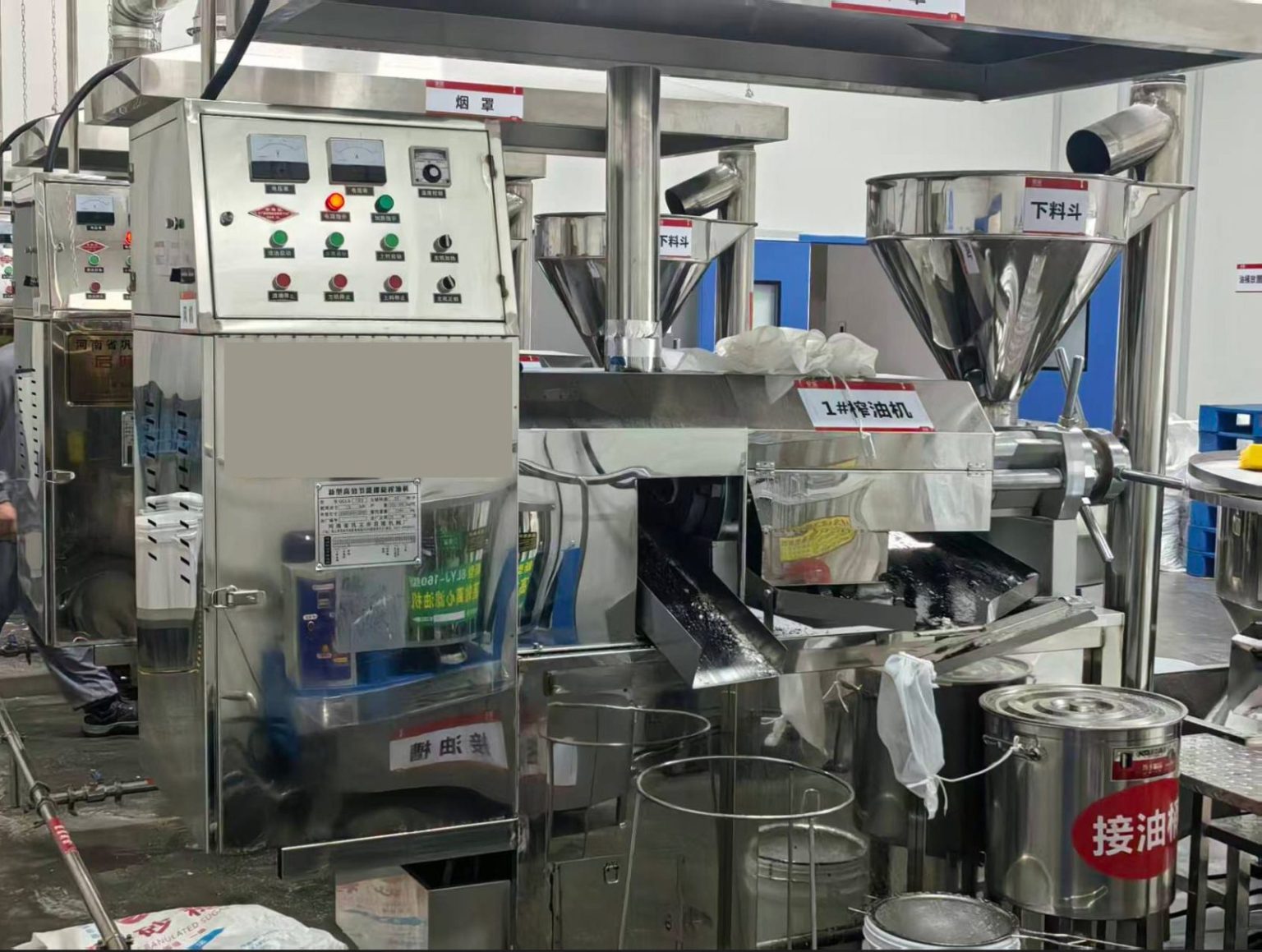
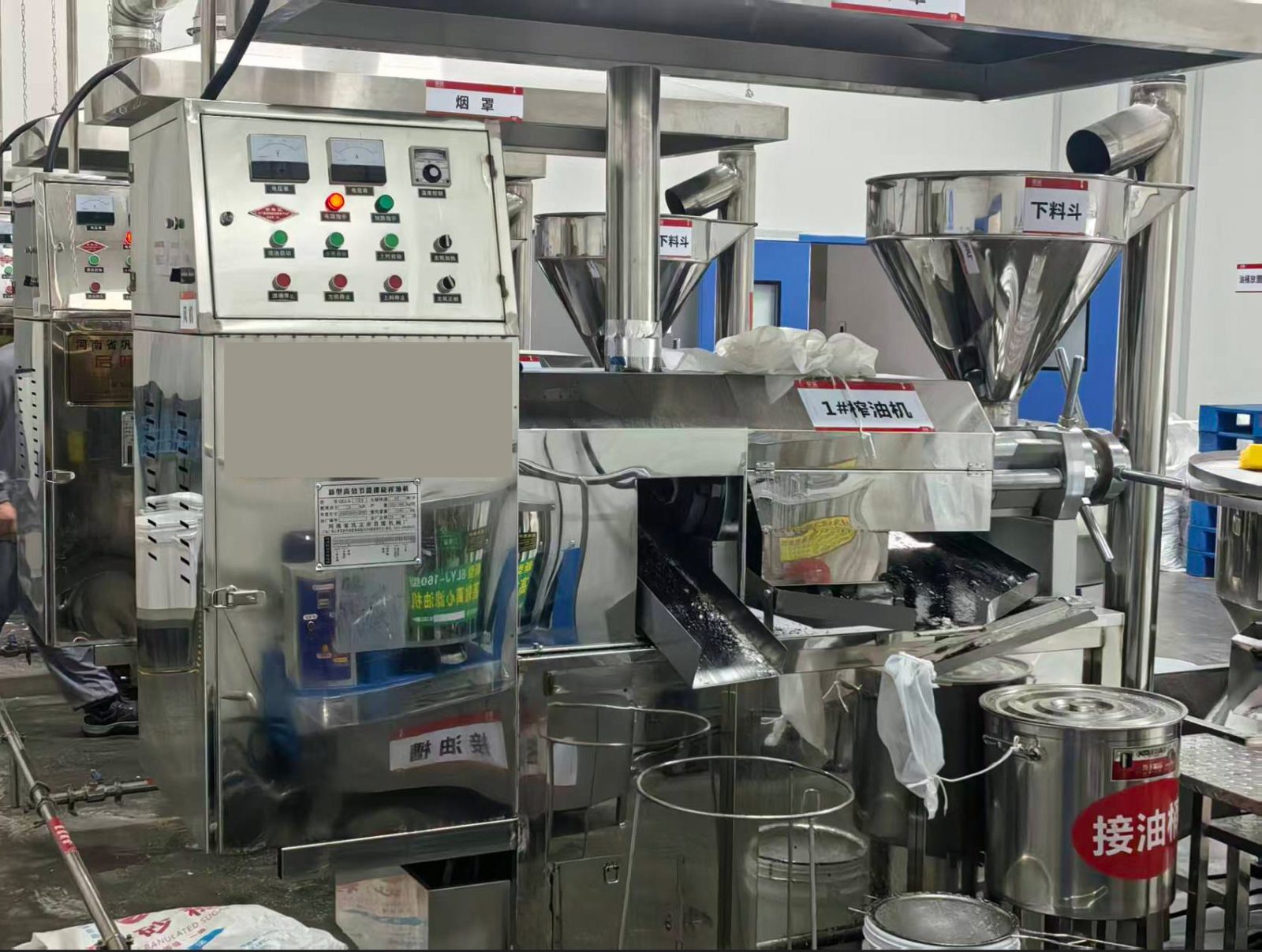
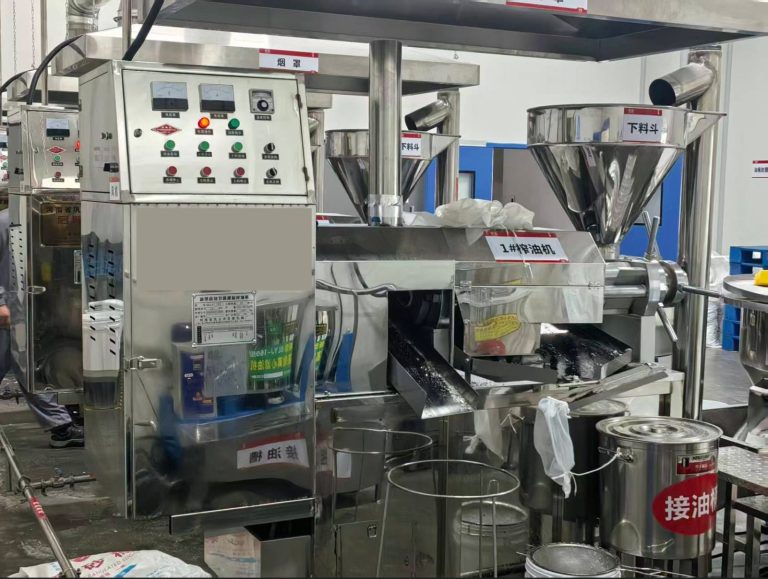
The reference oil section uses screw pressing for dried coconut material after drying, mixing, and elevation.

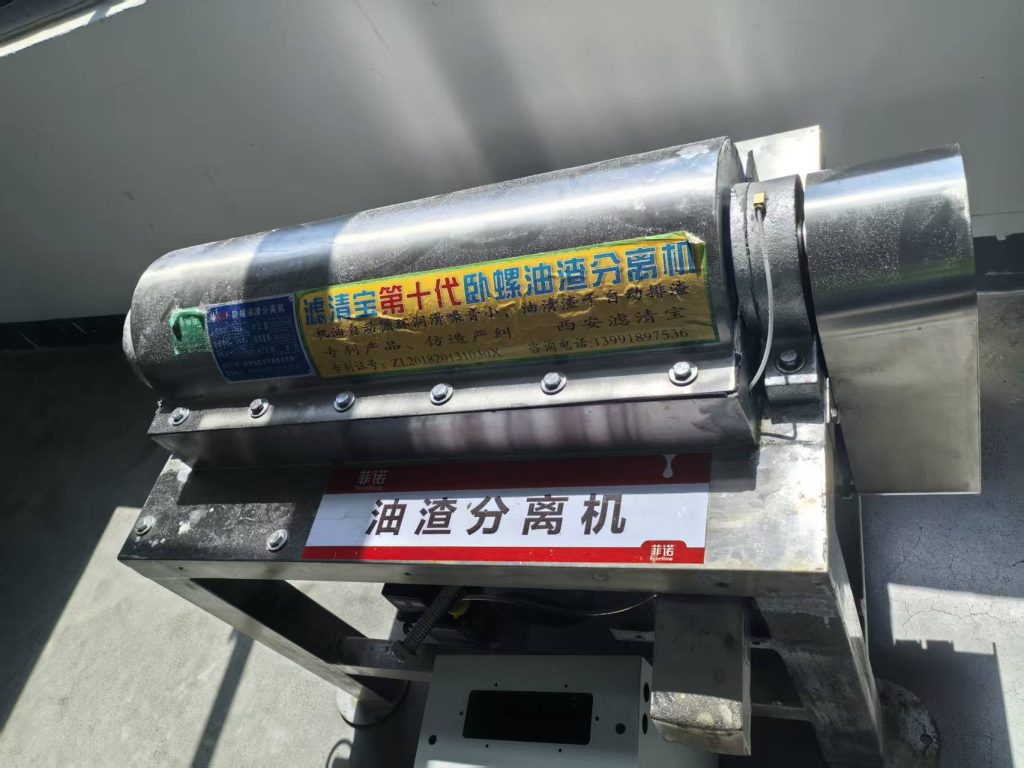
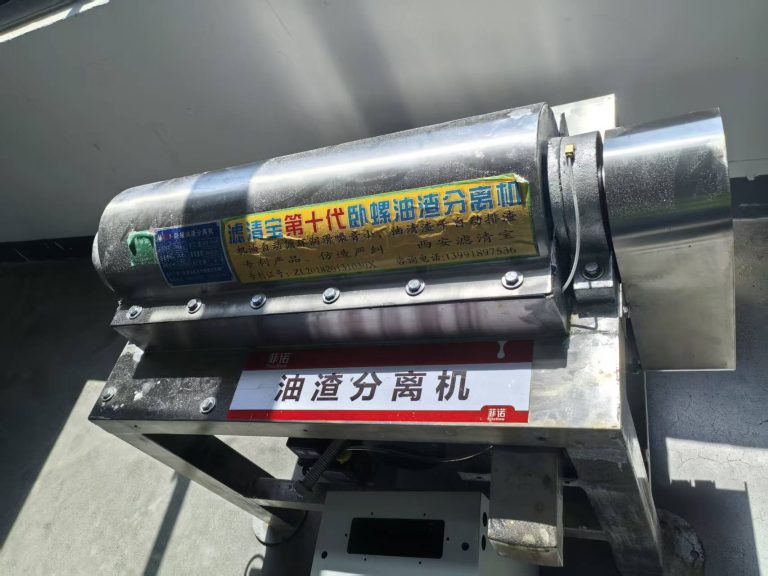
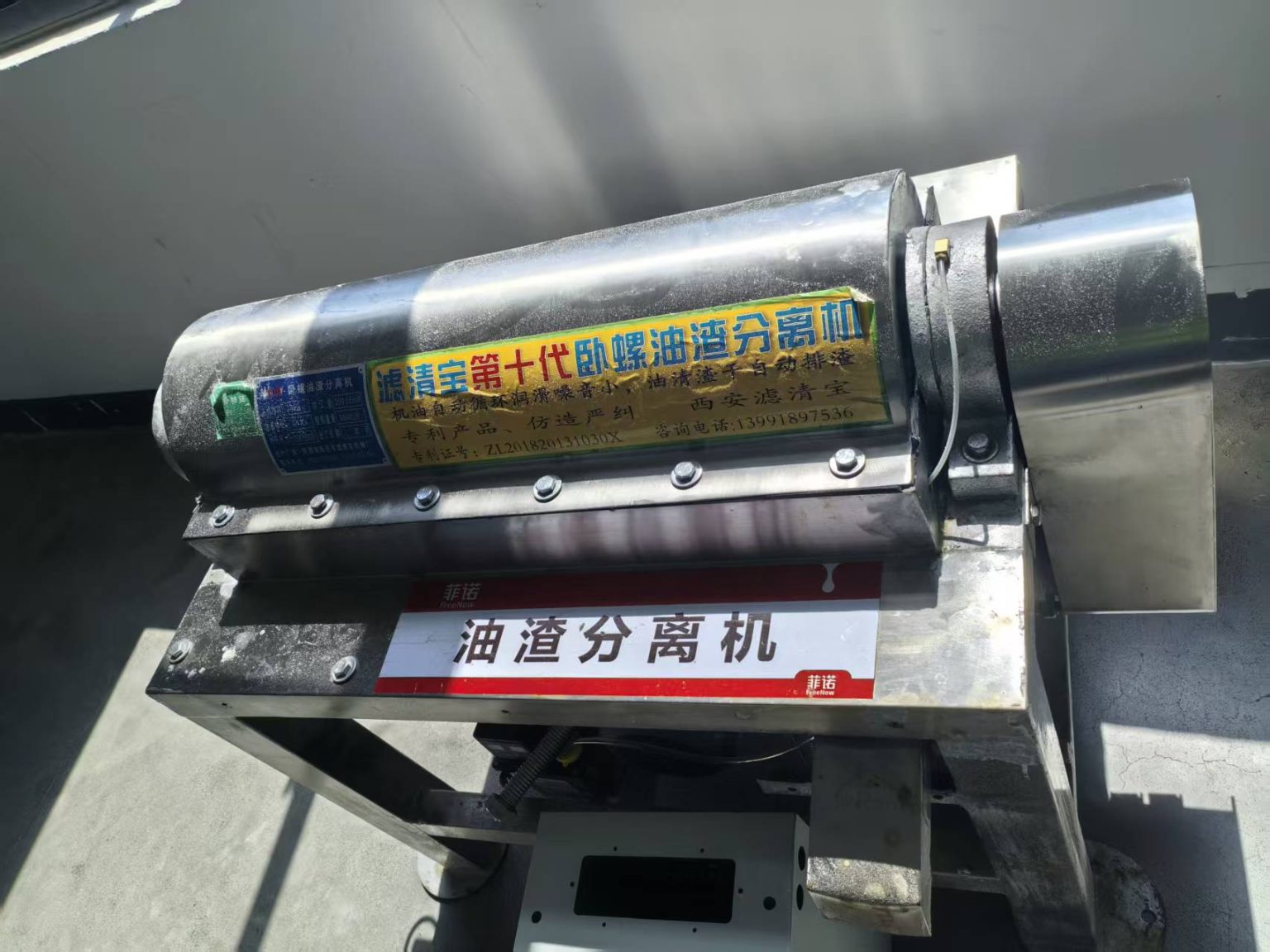
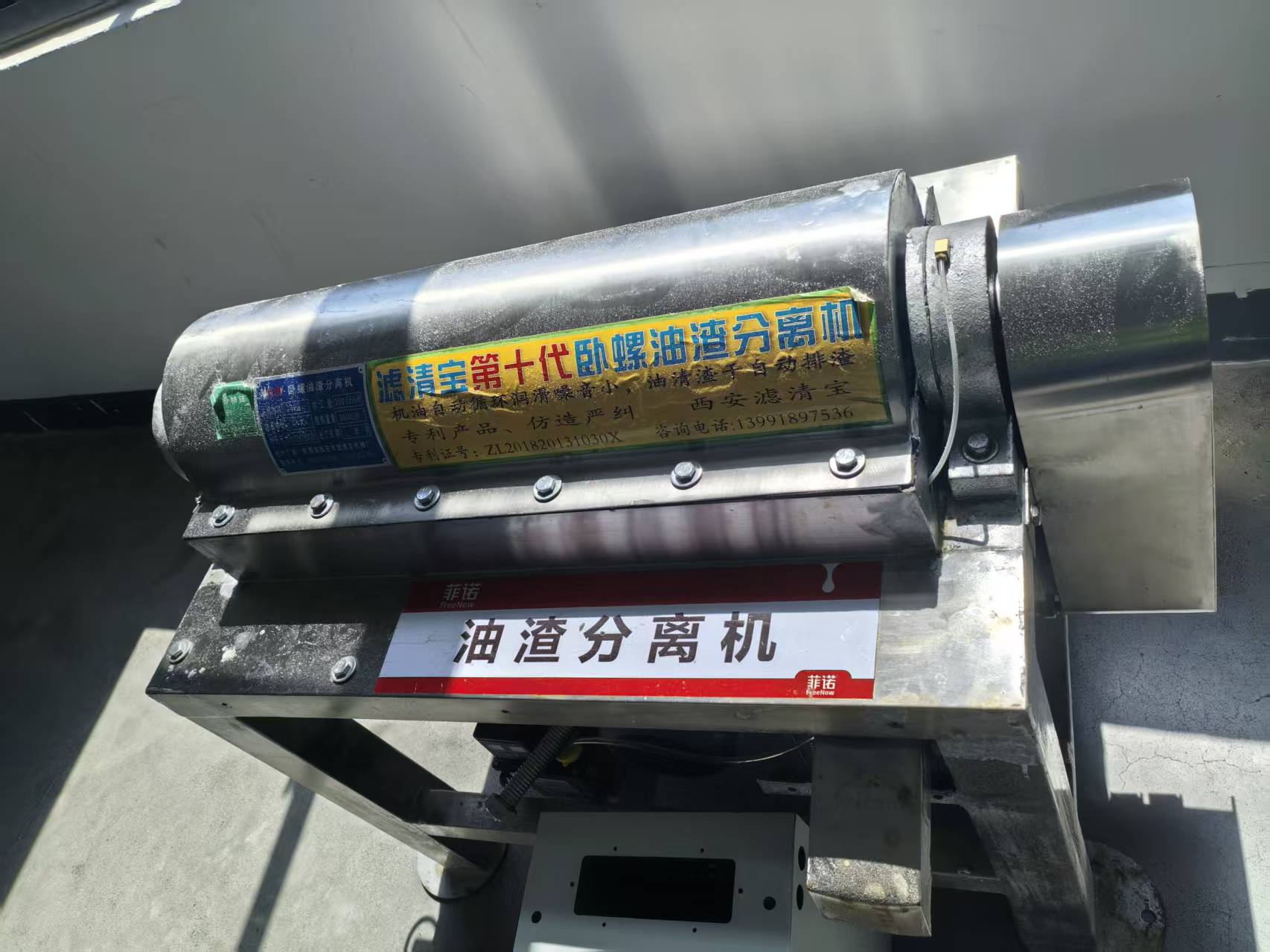
Centrifugal separation removes fine residues, impurities, and moisture before storage or refining.

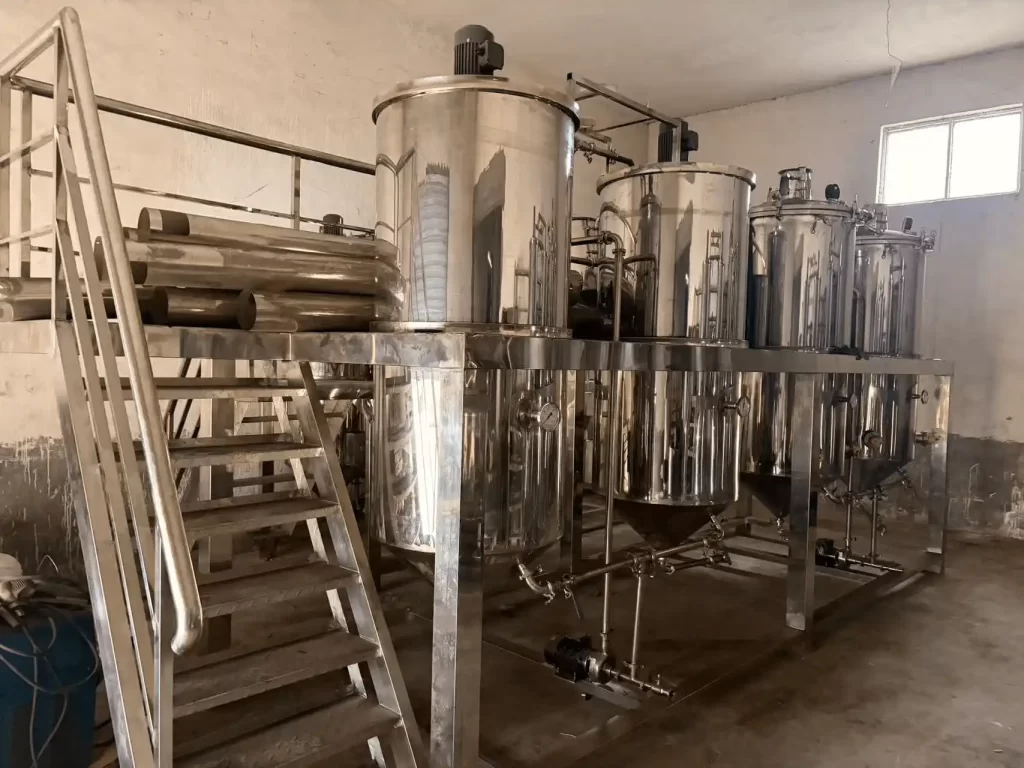
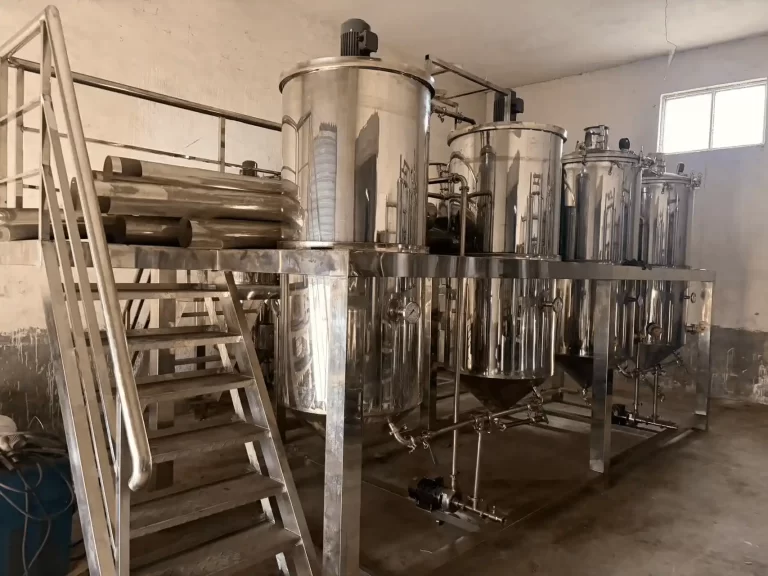
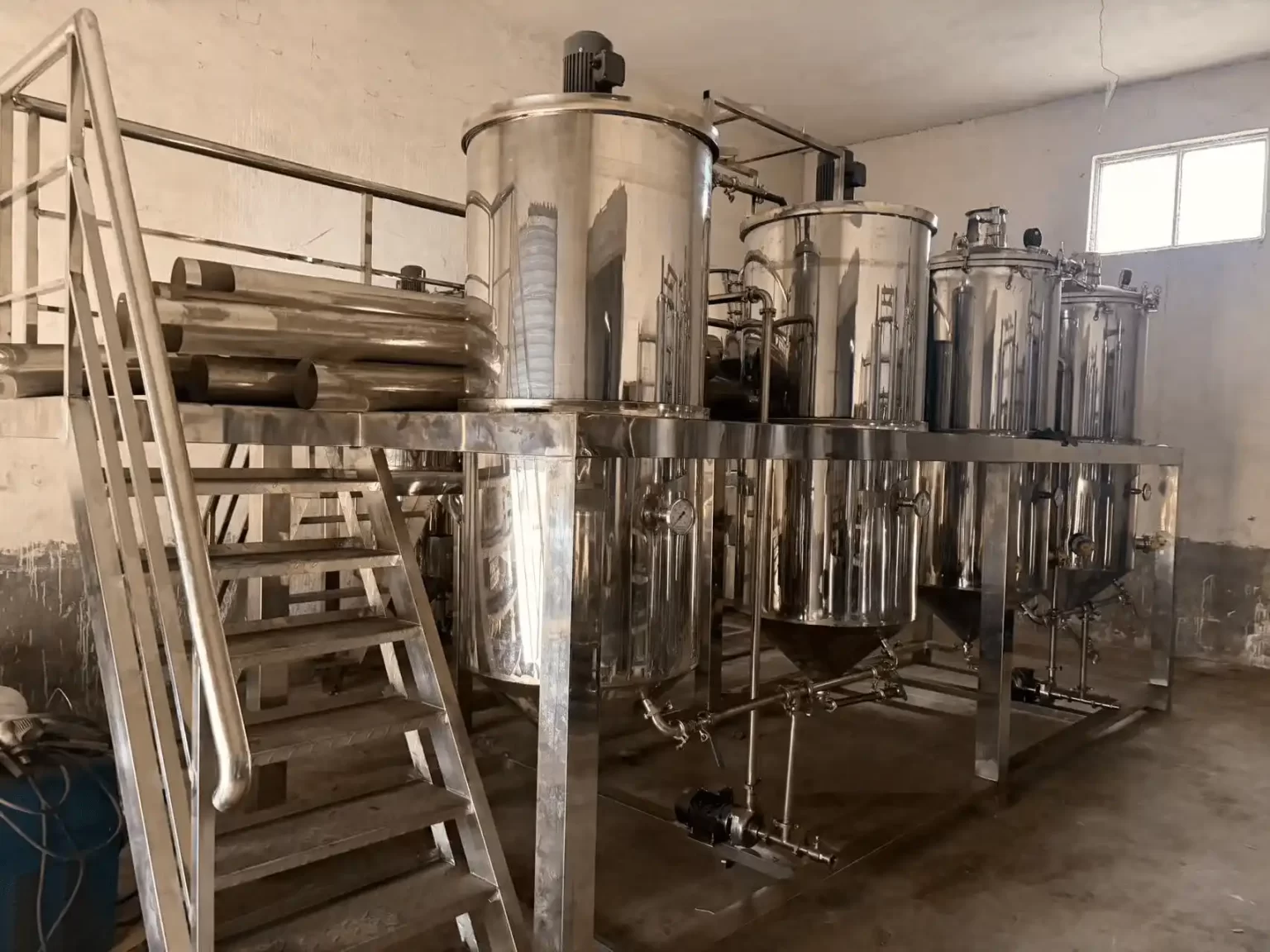
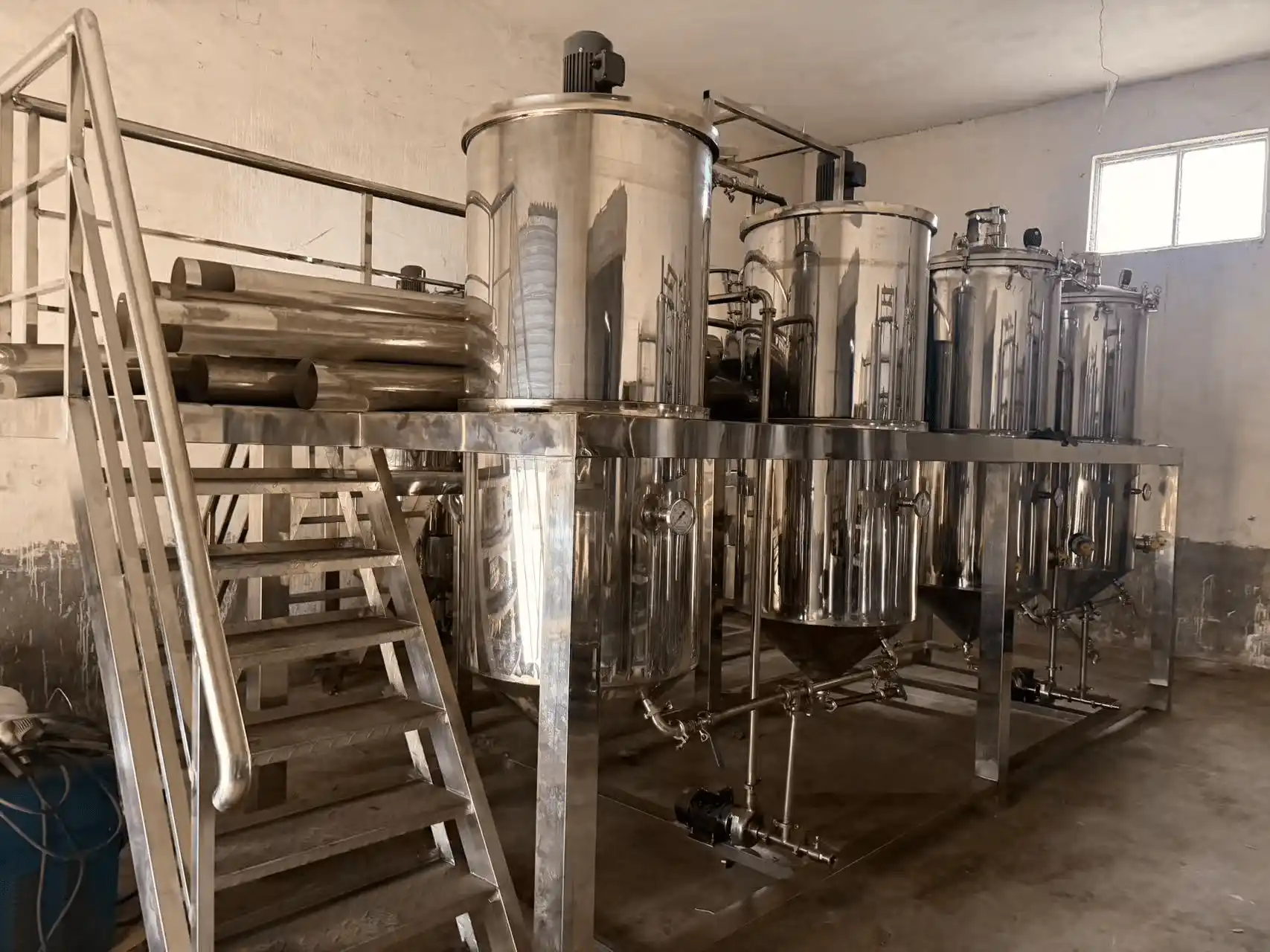
The refining section covers degumming, deacidification, decolorization, and deodorization.

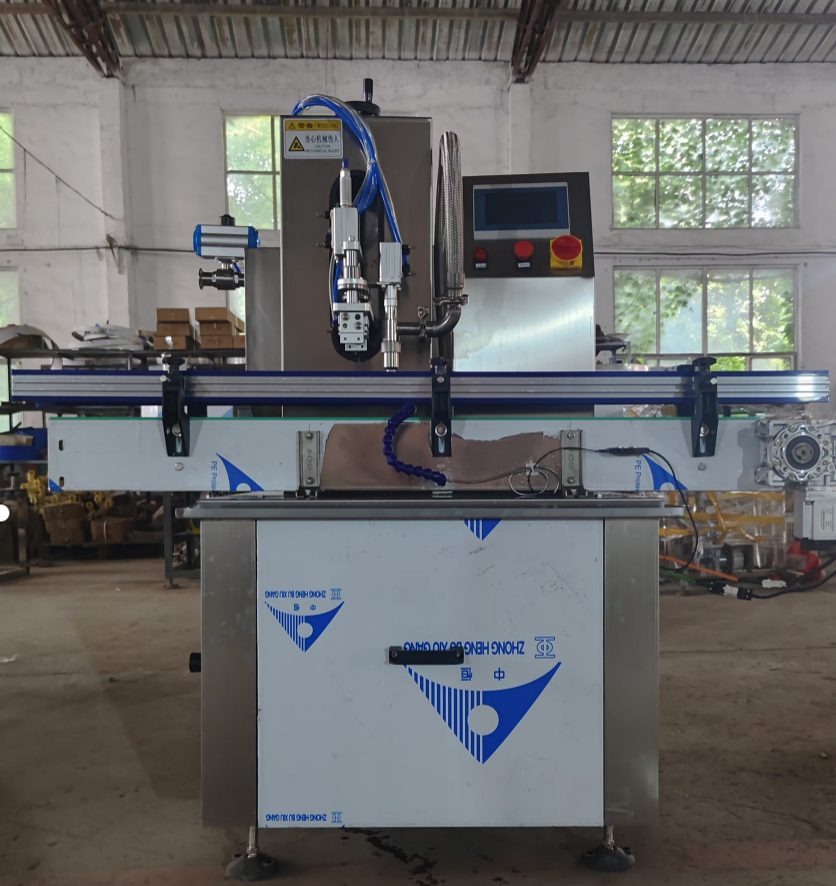
Use this group when the quotation includes filling, capping, labeling, coding, or retail packing.

Use this group when the quotation includes filling, capping, labeling, coding, or retail packing.

Use this view when the project keeps coconut water as a bottled or stored product instead of draining it away.

Use this view when the project keeps coconut water as a bottled or stored product instead of draining it away.

Use this view to distinguish crude oil, refined oil, and packed finished oil in the project boundary.

Use this view to distinguish crude oil, refined oil, and packed finished oil in the project boundary.

Use this view to distinguish crude oil, refined oil, and packed finished oil in the project boundary.

This front-end equipment removes the outer fiber before conveying, peeling, water collection, and meat preparation.

This front-end equipment removes the outer fiber before conveying, peeling, water collection, and meat preparation.

This front-end equipment removes the outer fiber before conveying, peeling, water collection, and meat preparation.

This tank sits after coconut water filtration and before filling, helping buffer the upstream peeling rhythm.

This tank sits after coconut water filtration and before filling, helping buffer the upstream peeling rhythm.

This tank sits after coconut water filtration and before filling, helping buffer the upstream peeling rhythm.

After coconut milk extraction, wet pulp is dried for desiccated coconut or for stable oil pressing feed.

After coconut milk extraction, wet pulp is dried for desiccated coconut or for stable oil pressing feed.

After coconut milk extraction, wet pulp is dried for desiccated coconut or for stable oil pressing feed.

After coconut milk extraction, wet pulp is dried for desiccated coconut or for stable oil pressing feed.

The mixing section evens out dried coconut material before it is lifted into the oil press.

The mixing section evens out dried coconut material before it is lifted into the oil press.

The mixing section evens out dried coconut material before it is lifted into the oil press.

This connects drying and mixing with the oil extraction section in a continuous layout.

This connects drying and mixing with the oil extraction section in a continuous layout.

This connects drying and mixing with the oil extraction section in a continuous layout.

The reference oil section uses screw pressing for dried coconut material after drying, mixing, and elevation.

The reference oil section uses screw pressing for dried coconut material after drying, mixing, and elevation.

The reference oil section uses screw pressing for dried coconut material after drying, mixing, and elevation.

The reference oil section uses screw pressing for dried coconut material after drying, mixing, and elevation.

Centrifugal separation removes fine residues, impurities, and moisture before storage or refining.

Centrifugal separation removes fine residues, impurities, and moisture before storage or refining.

Centrifugal separation removes fine residues, impurities, and moisture before storage or refining.

Centrifugal separation removes fine residues, impurities, and moisture before storage or refining.

The refining section covers degumming, deacidification, decolorization, and deodorization.

The refining section covers degumming, deacidification, decolorization, and deodorization.

The refining section covers degumming, deacidification, decolorization, and deodorization.

The refining section covers degumming, deacidification, decolorization, and deodorization.

Use this group when the quotation includes filling, capping, labeling, coding, or retail packing.

Use this group when the quotation includes filling, capping, labeling, coding, or retail packing.
Brand marks
Keep brand marks separate from equipment photos so proposals, quotations, and contact materials can use the right image type.
Kept separately from equipment photos so brand marks are not mixed with process images.
Kept separately from equipment photos so brand marks are not mixed with process images.

Kept separately from equipment photos so brand marks are not mixed with process images.
Continue checking coconut project scope
Share fresh coconut or copra entry, whether water and milk are retained, whether wet residue is dried, whether oil is refined, the packing format, and shift output. We use that to define the connected line scope.