Bottled VCO needs a finish plan, not just clear oil
The commercial promise is in the bottle: stable appearance, mild aroma, clean storage, warm filling, label presentation, and carton handoff.
Plan bottled VCO around warm storage, fine filtration, moisture and haze control, jar or bottle selection, filling, labeling, cartons, and export-ready finish.
Warm oil
Coconut oil may need warm transfer and filling to stay pumpable.
Bottle clarity
Moisture, milk solids, and residue must be controlled before finished inspection.
Shelf presentation
Cap, label, coding, carton, and storage temperature belong in the same decision.
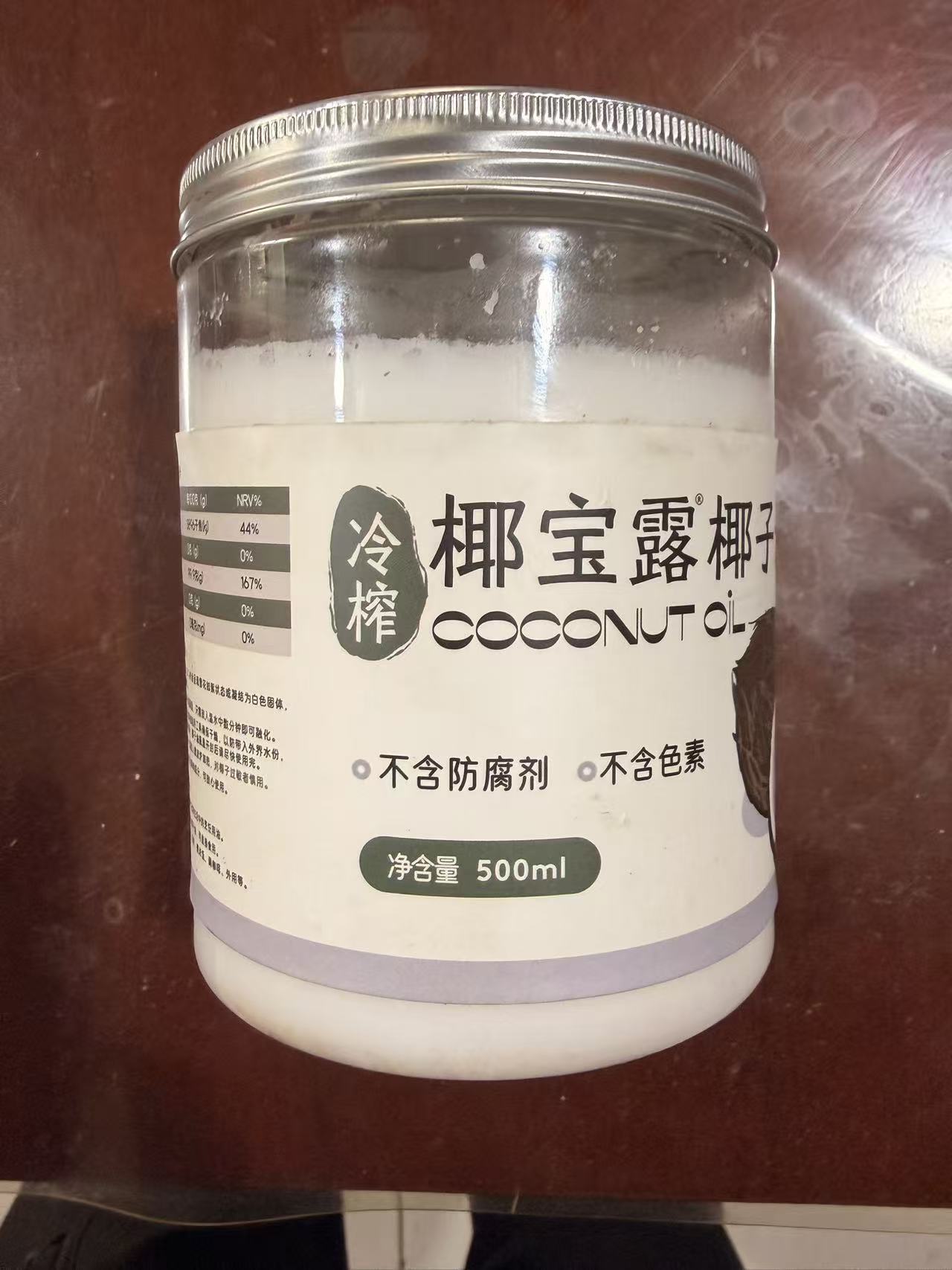 Finished package
Packed coconut oil after refining
Packaging belongs at the end of the quote if the project includes filling, capping, labeling, and date coding.
Finished coconut oil filling, capping, labeling, and coding
This final clip belongs after refining and finished-oil storage, where the quote may include manual double-head filling, capping, labeling, and date coding.
Match filtration, tank, and filling to the retail bottle
A VCO bottling page should not repeat the generic packaging page. It should show why coconut oil needs temperature notes, clean tanks, moisture control, and bottle inspection before cartons leave the plant.
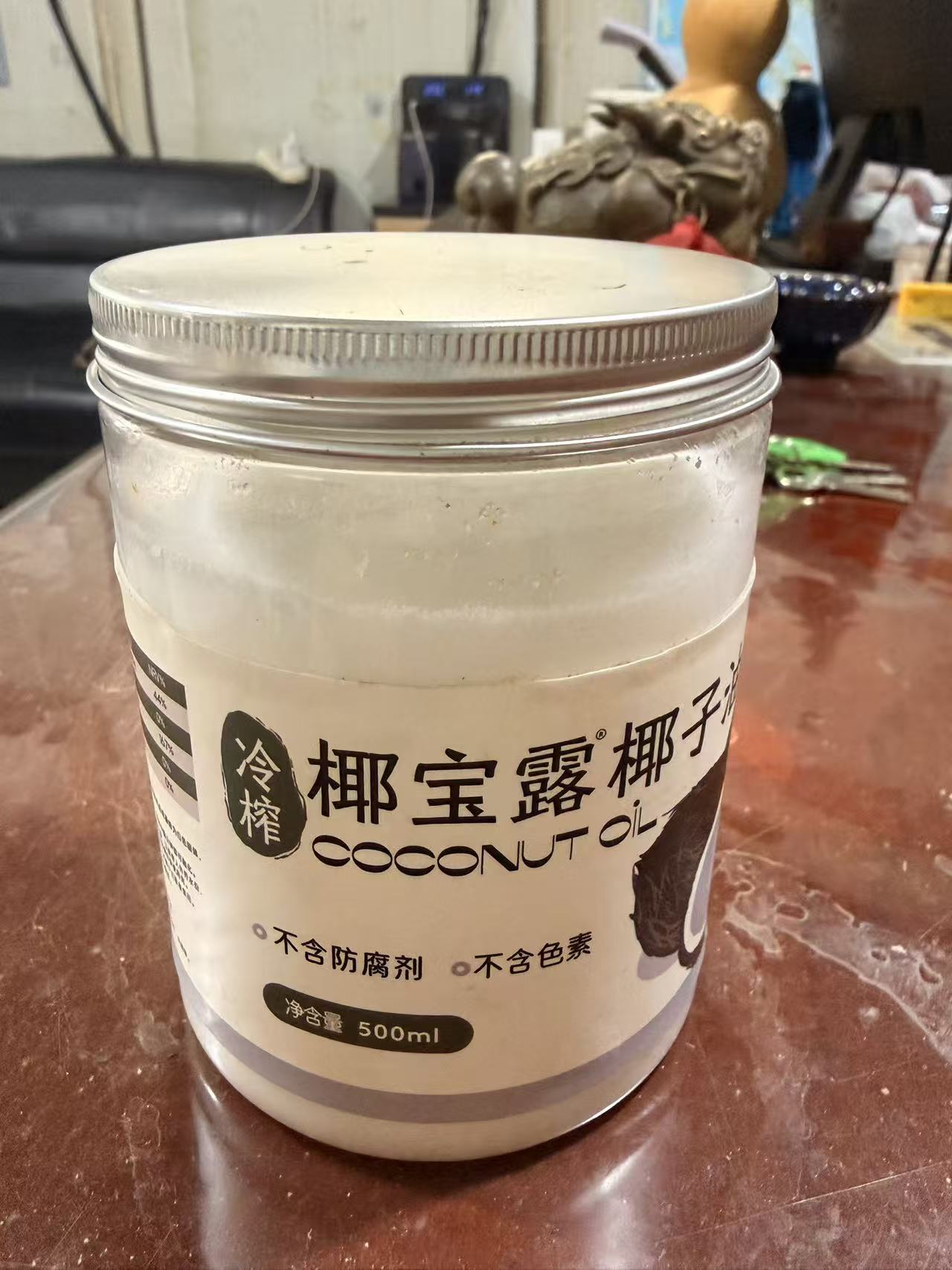 Retail outlet
Finished coconut oil ready for storage or sale
This final product view helps distinguish an equipment quote that stops at refined oil from one that includes retail packing.
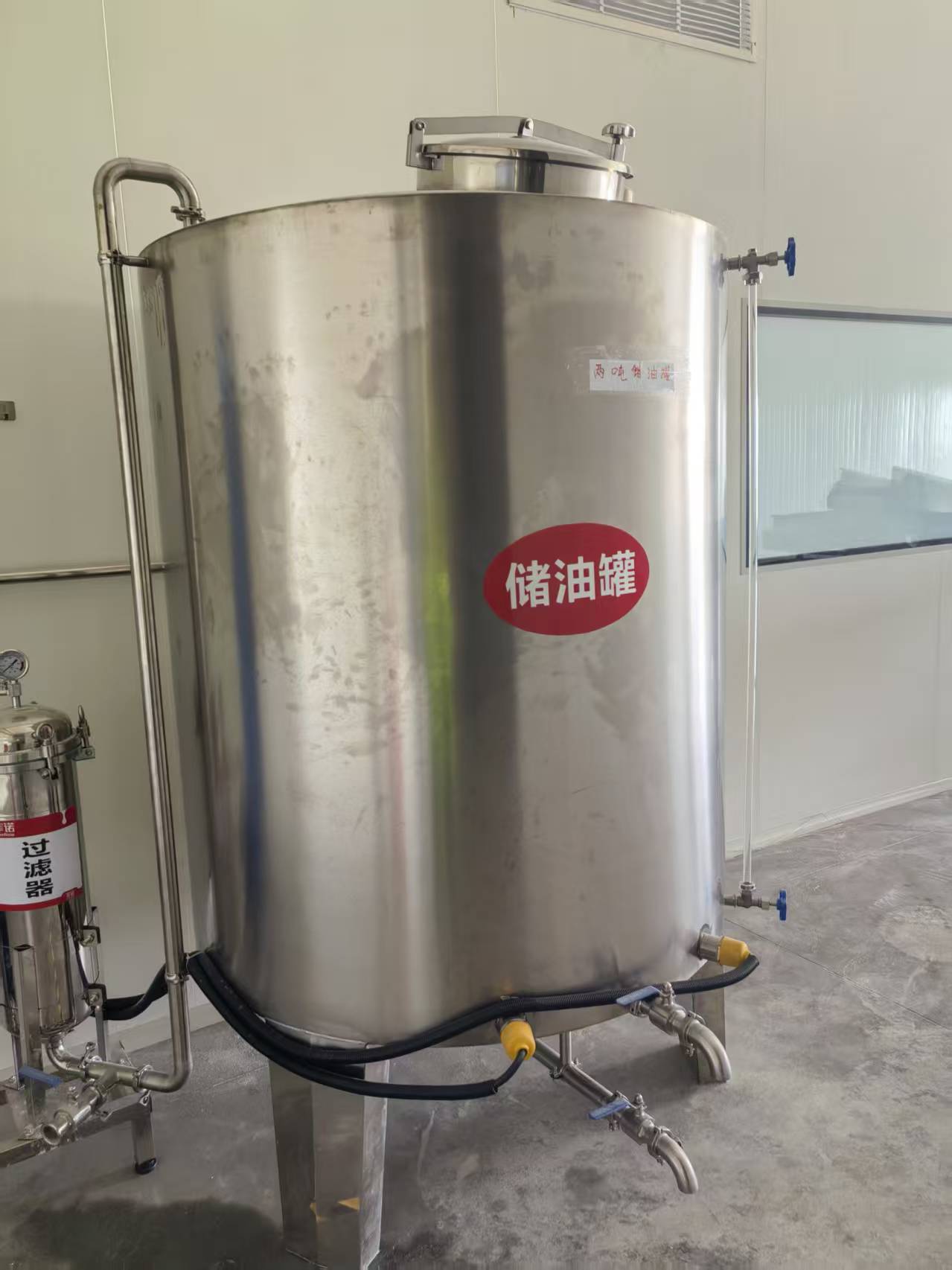 Water storage
Stainless storage tank for filtered coconut water
The reference page places a stainless tank after coconut water filtration so filling does not depend on the peeling rhythm.
These next pages move the discussion forward
Buyer tools
Coconut Process Media Library
Complete coconut process media library covering production videos, equipment images, alternate image sizes, and brand marks for project discussion.
Continue →Coconut routes
Virgin Coconut Oil Route for Fresh Coconut Projects
Plan a VCO route around fresh kernel handling, coconut water and milk separation, hygienic tanks, warm oil transfer, fine filtration, and bottle-ready finish.
Continue →Coconut routes
Copra Pressing Route for Crude and Refined Coconut Oil
Plan copra oil around dried feed, crushing, pressing, crude-oil buffers, cake discharge, refining handoff, bulk storage, and practical packing.
Continue →Send bottle, label, and carton requirements with oil finish target
Bottle volume, cap type, label size, carton count, storage temperature, and target clarity change the downstream scope.