VCO-style fresh coconut projects and copra oil projects are different businesses
The press may look similar in a proposal, but raw material handling, hygiene zones, drying needs, refining expectations, and packaging endpoints are not the same.
Compare fresh coconut / VCO style processing with copra oil pressing by raw material, hygiene, drying, extraction, refining, packaging, and product positioning.
Fresh route
Starts from fresh coconut, keeps water or milk value, and pays more attention to wet processing and clean filling.
Copra route
Starts from dried material and focuses on stable oil pressing, separation, refining, and bulk or retail oil packing.
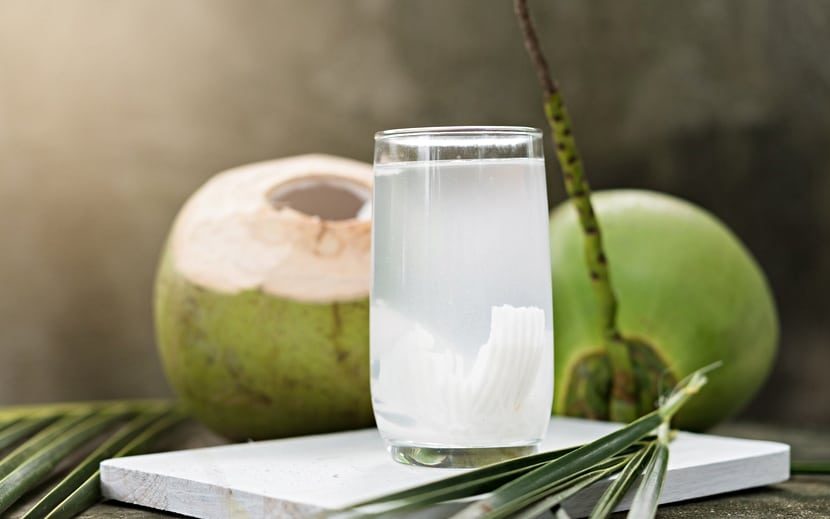 Coconut water
Filtered coconut water as one product outlet
The reference line does not treat coconut water as waste. It can be filtered, stored, and filled before the oil section is discussed.
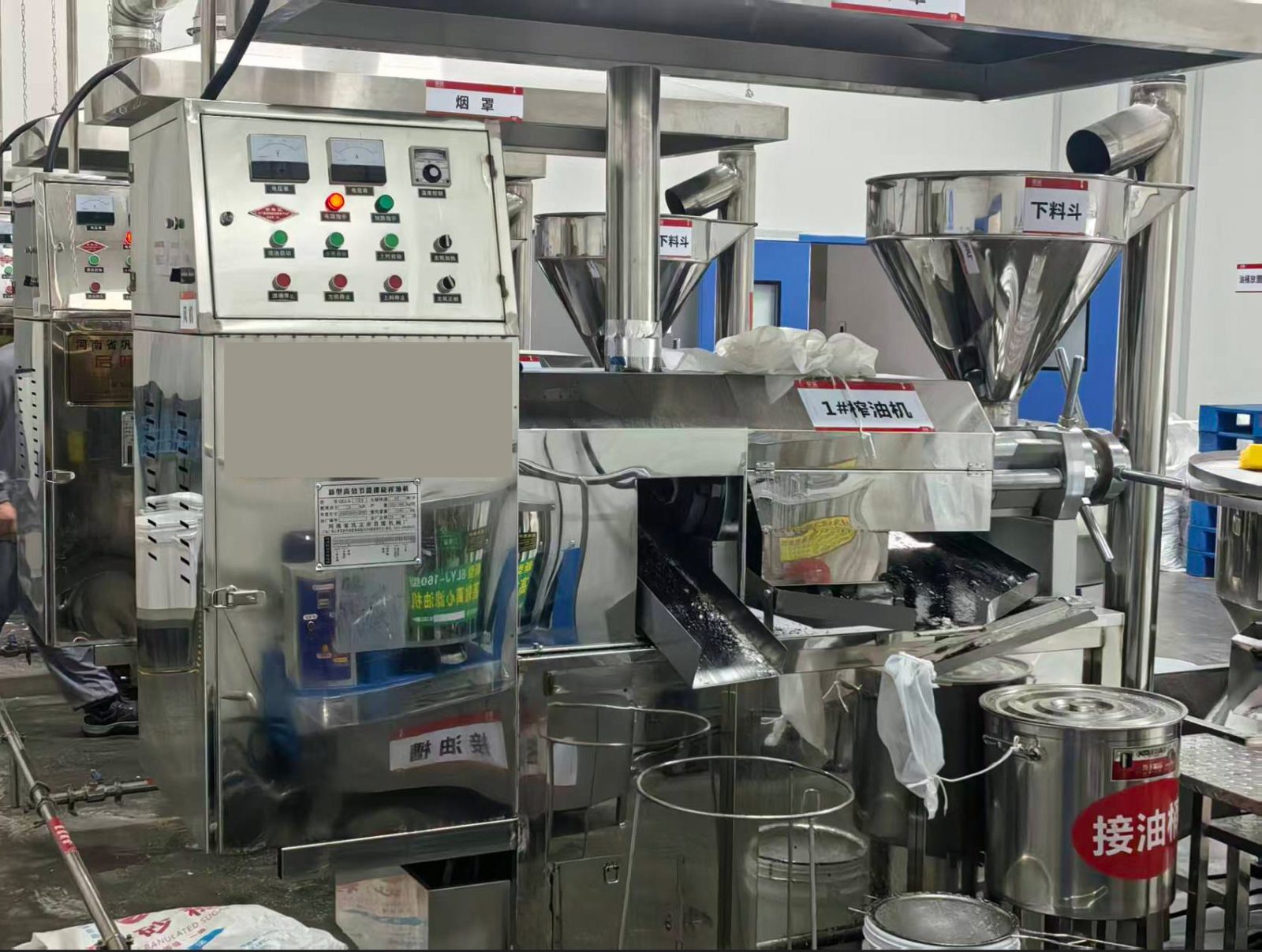 Screw press
Model 128 screw oil press for dried coconut
The oil section in the reference page uses two Model 128 screw presses after drying, mixing, and elevation.
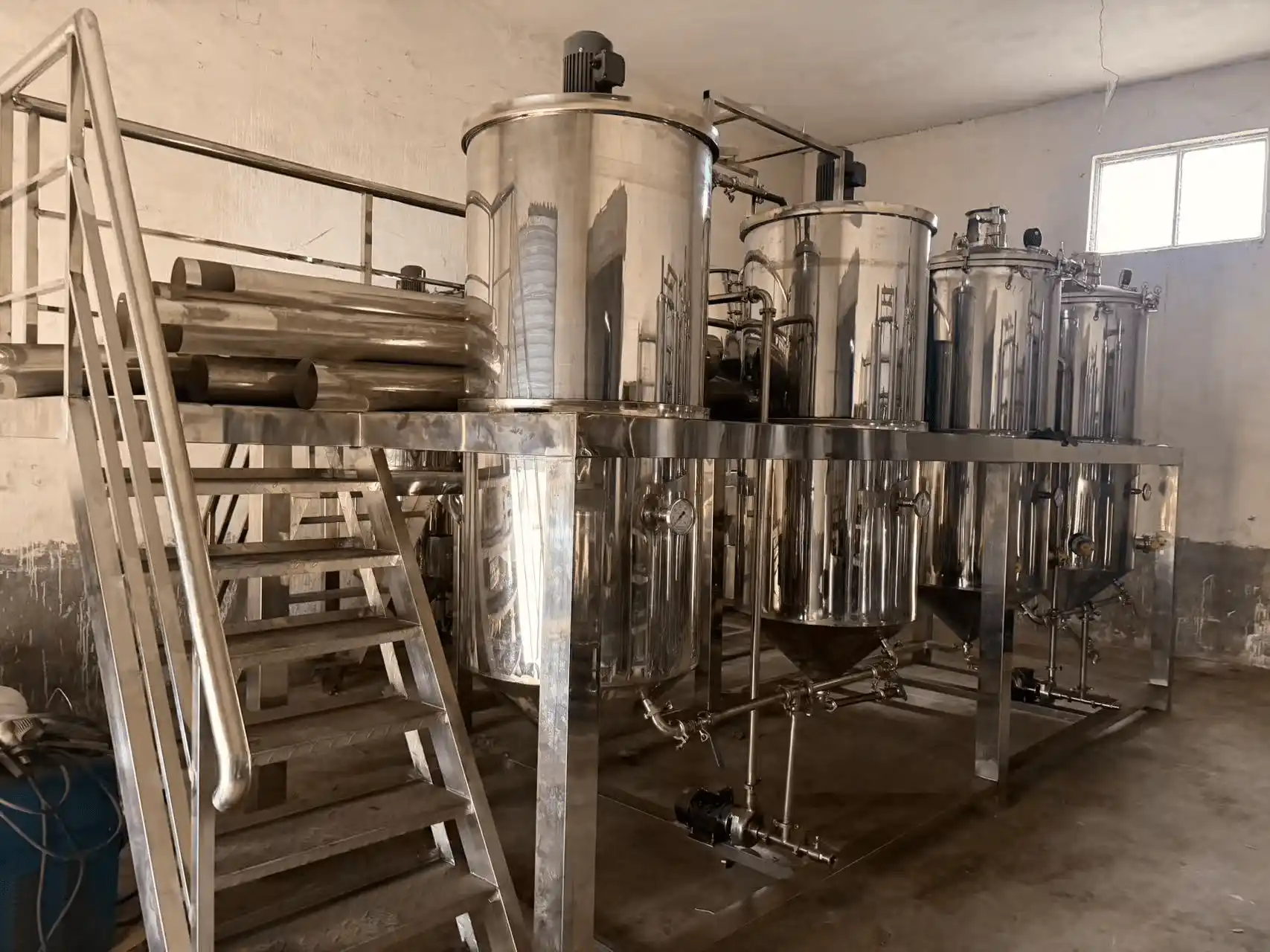 Refining
500 kg per 24 hours edible oil refining system
The refining section covers degumming, deacidification, decolorization, and deodorization before finished-oil storage.
Fresh coconut keeps more product streams; copra simplifies the wet front end
Fresh coconut projects may keep coconut water, coconut milk, desiccated coconut, and coconut oil together. Copra projects usually enter after drying and focus on oil extraction, filtration, refining, and storage.
Fresh coconut water, milk, desiccated coconut, oil, refining, and packing line
The reference line starts from mature coconuts and keeps multiple outlets in scope: filtered coconut water, fresh coconut milk, desiccated coconut, crude oil, refined edible oil, and bottled products.
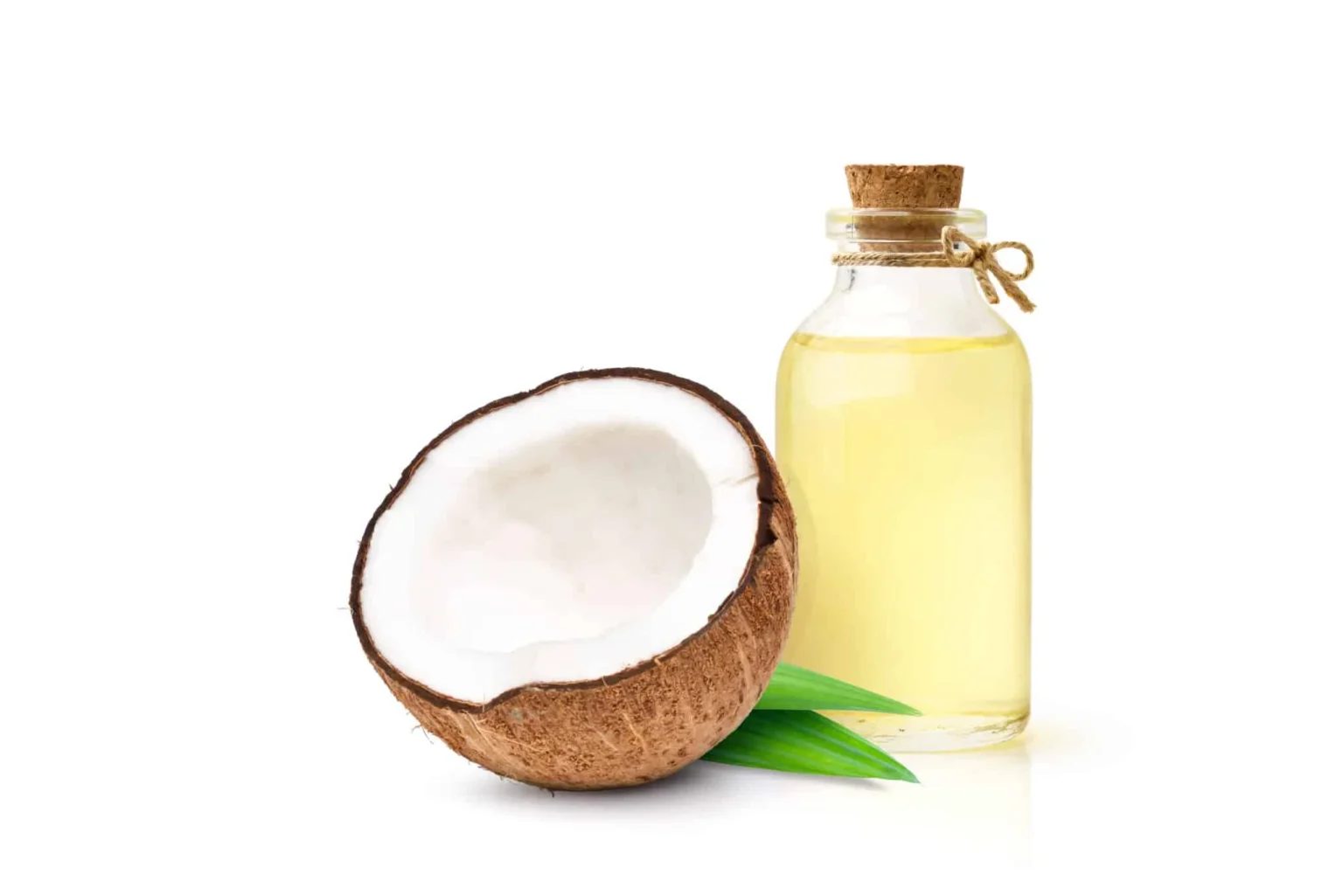 Coconut oil
Coconut oil outlet after pressing, separation, and refining
Use this product view to separate crude-oil, filtered-oil, refined-oil, and packed-oil quotation boundaries.
Premium bottle positioning needs cleaner wet sections and clearer packaging endpoints
If the target is a retail coconut oil or coconut milk brand, hygiene, filling, label, coding, and storage expectations should be written early. If the target is bulk oil, the quote may focus more on drying, press throughput, separation, refining, and tanks.
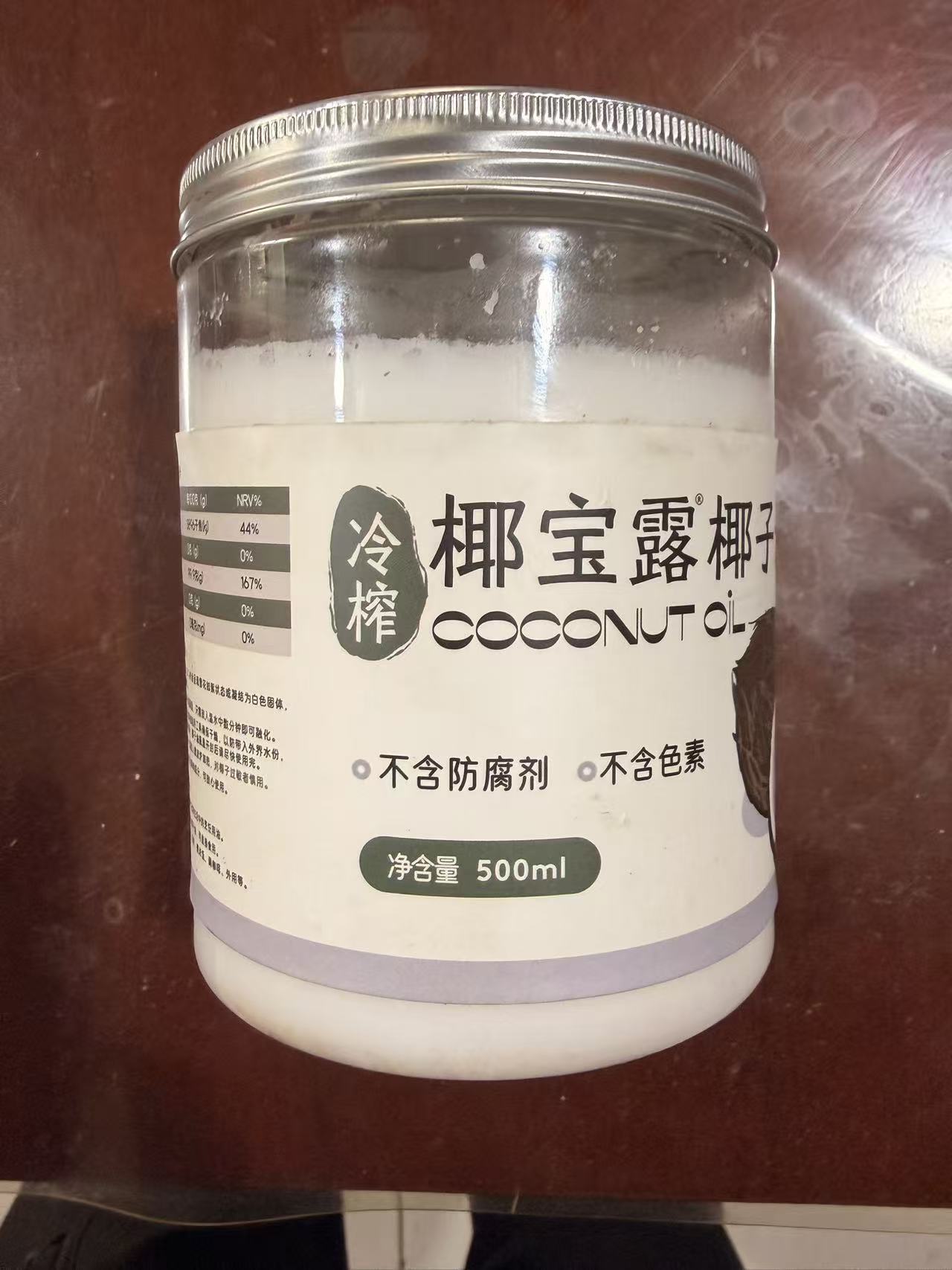 Finished package
Packed coconut oil after refining
Packaging belongs at the end of the quote if the project includes filling, capping, labeling, and date coding.
Finished coconut oil filling, capping, labeling, and coding
This final clip belongs after refining and finished-oil storage, where the quote may include manual double-head filling, capping, labeling, and date coding.
Choose the route by product outlet, not by machine name
- ✓Choose a fresh route when coconut water or milk must be retained.
- ✓Choose a drying and screw-press route when the feed is already dried coconut or copra.
- ✓Add refining when the oil must meet edible refined-oil expectations.
- ✓Add filling and labeling only when the project really ships packed products.
What to confirm before scoping Virgin Coconut Oil vs Copra Pressing Route
Virgin Coconut Oil vs Copra Pressing Route should not be quoted from an equipment name alone. Check feed lots, target oil, post-press handling, and packing rhythm in one scope before deciding which Coconut Oil Press modules stay. Coconut may be VCO on 355–500 cold, or a complete multi-product line (325 milk + 128 screw + refine).
When feed condition, moisture, impurities, batch weight, and product position are unclear, press tonnage and filter area become guesswork. Factory systems share 60 MPa and 2.2 kW motors; hot pure press is 30–40 min/barrel and cold pure press is ~2 h/barrel — cycle time matters more than brochure tonnage.
- ✓Confirm whether feed is whole seed, kernels, pretreated material, or an existing semi-finished stream.
- ✓Confirm whether the target is crude oil, filtered oil, bottled oil, drum ingredient oil, or a refining handoff.
- ✓Hot cycle reference: pure press 30-40 min/barrel, ~1.5 h for 2 barrels with loading; cold pure press ~2 h/barrel, ~4.5 h for 2 barrels.
- ✓Confirm batch rhythm, labor, changeover, retained samples, power (often 380V/50Hz/3ph), and site install conditions.
Match hot / cold models to factory hard data
When discussing Virgin Coconut Oil vs Copra Pressing Route, pin models to published factory specs — not tonnage alone.
Hot 300/325: 300–325 ton, 60 MPa system, standard barrel Ø390×800 mm / max 100 kg, pure press 30–40 min/barrel, ~1.5 h for 2 barrels with loading, 2.2 kW motor. Cold 355/400/426/480/500: 370–630 ton, integrated frame, same 100 kg standard barrel, pure press ~2 h/barrel, ~4.5 h for 2 barrels with loading; optional Ø300 high-pressure barrel max 60 kg. Residual oil target ~≤5% (peanut hot often 6–8% measured).
- ✓Standard barrel Ø390×800 mm, max ~100 kg crushed feed; optional Ø300 high-pressure barrel max ~60 kg.
- ✓Cylinder material 27SiMn; cold frames are integrated molded steel; hot frames are typically H-type channel steel.
- ✓Coconut may be VCO on 355–500 cold, or a complete multi-product line (325 milk + 128 screw + refine).
project scope needs to land in equipment interfaces
After Virgin Coconut Oil vs Copra Pressing Route is clear, write the interfaces: how preparation feeds the press, how oil leaves the press, how filtration connects to tanks, and how packing receives finished oil.
Front-end input
Record feed form, daily volume, moisture, and sorting needs so pretreatment is not left to operators.
Milk, drying, and refine interfaces
Complete lines include water/milk (325CG-A), desiccated dryer, screw 128, and S600 refine. VCO keeps the full chain ≤60°C with warm-fill jars.
Delivery data
Prepare space, power (often 380V/50Hz/3ph), labor, target package, local rules, and acceptance method before quotation.
Clear these up first
Possible but operationally complex. VCO requires ≤40°C + GMP sanitary; copra DCO uses 100-110°C cook + carbon-steel. Dual production needs: separate rooms (or scheduled batches with deep clean 4-8 h between), separate tanks, separate filling lines, allergen + organic audit verification per changeover. Most premium VCO brands run a dedicated line; copra-DCO operations sometimes add a small VCO module (100-300 kg/day) for premium SKU.
Tell us which coconut product you actually plan to sell
Coconut water, coconut milk, desiccated coconut, crude oil, refined oil, and bottled oil lead to different routes, even when some machines look similar.