Front-end input
Record feed form, daily volume, moisture, and sorting needs so pretreatment is not left to operators.
The press may look similar in a proposal, but raw material handling, hygiene zones, drying needs, refining expectations, and packaging endpoints are not the same.
Route difference
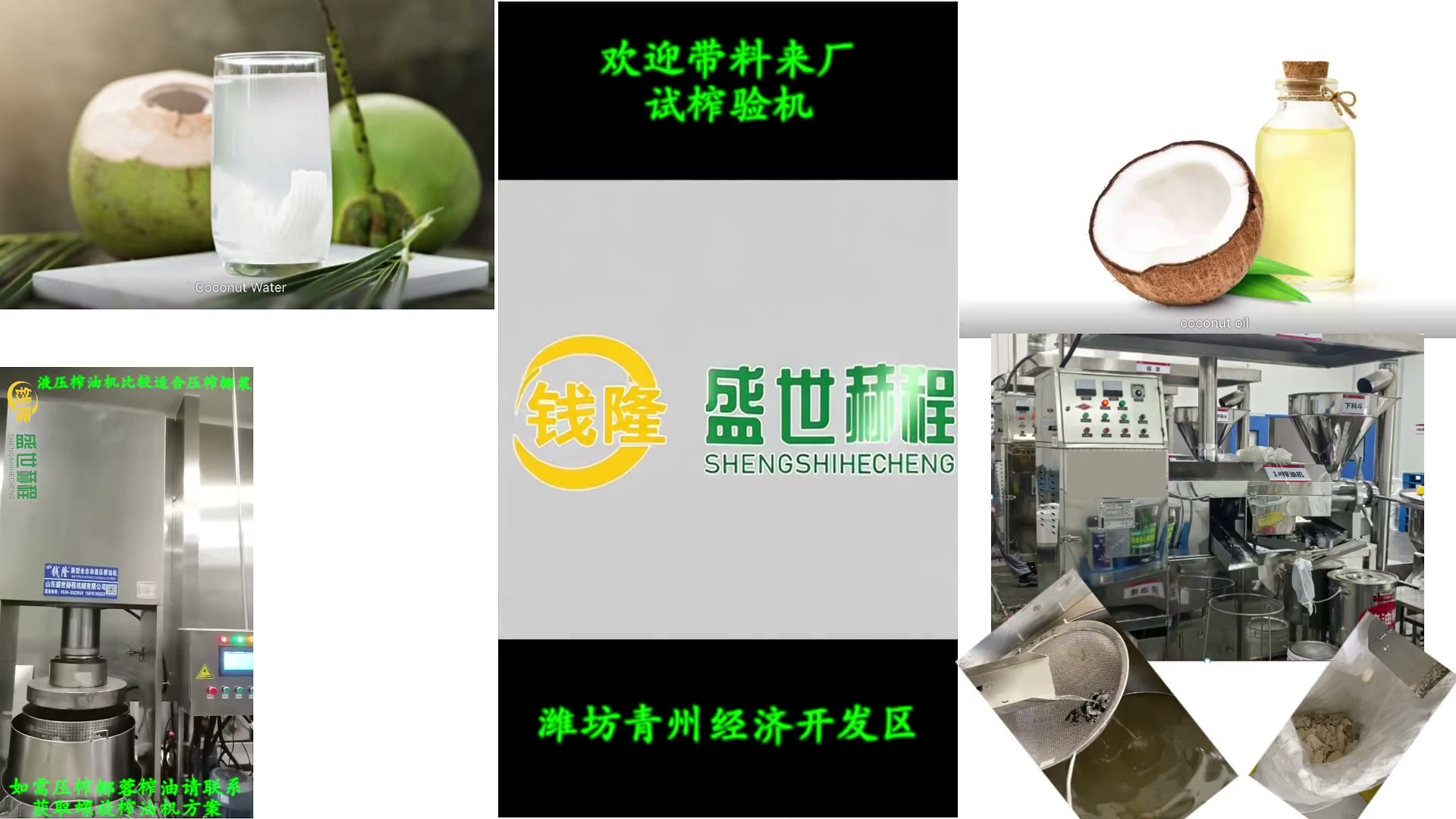
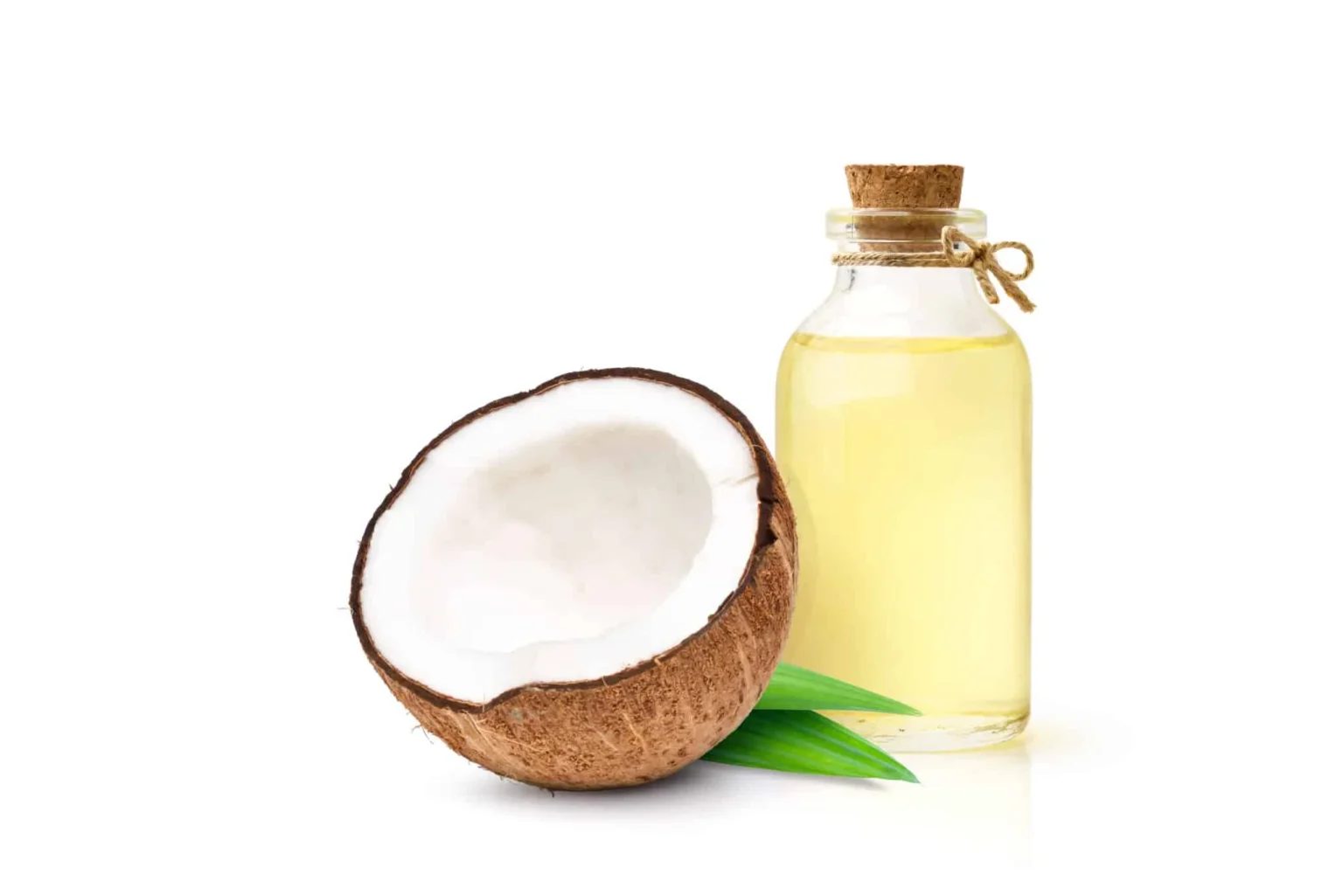
Fresh coconut projects may keep coconut water, coconut milk, desiccated coconut, and coconut oil together. Copra projects usually enter after drying and focus on oil extraction, filtration, refining, and storage.
Market positioning
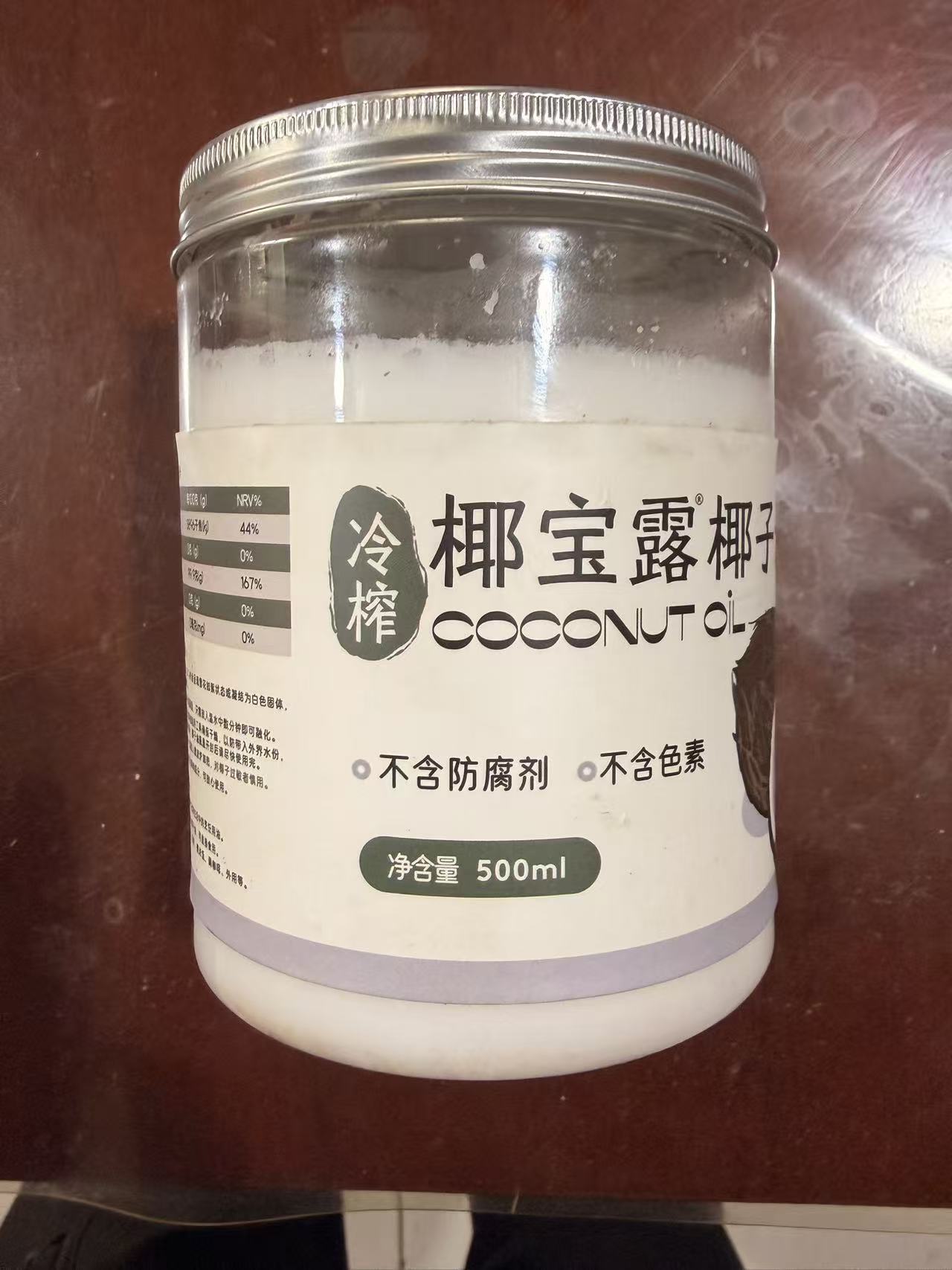
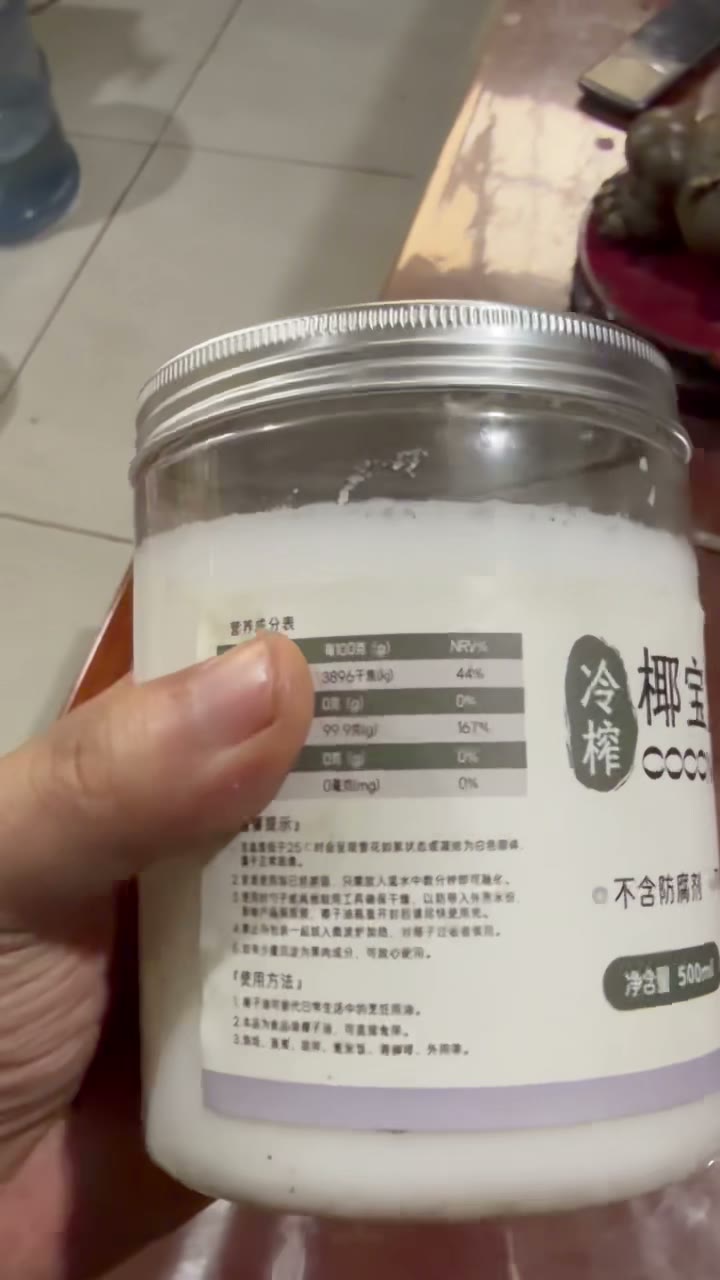
If the target is a retail coconut oil or coconut milk brand, hygiene, filling, label, coding, and storage expectations should be written early. If the target is bulk oil, the quote may focus more on drying, press throughput, separation, refining, and tanks.
Selection logic
Project boundary
Virgin Coconut Oil vs Copra Pressing Route should not be quoted from an equipment name alone. Check feed lots, target oil, post-press handling, and packing rhythm in one scope before deciding which Coconut Oil Press modules stay. Coconut may be VCO on 355–500 cold, or a complete multi-product line (325 milk + 128 screw + refine).
When feed condition, moisture, impurities, batch weight, and product position are unclear, press tonnage and filter area become guesswork. Factory systems share 60 MPa and 2.2 kW motors; hot pure press is 30–40 min/barrel and cold pure press is ~2 h/barrel — cycle time matters more than brochure tonnage.
Factory model check
Pin models to published factory specs before tonnage talk.
Hot 300/325: 300–325 ton, 60 MPa system, standard barrel Ø390×800 mm / max 100 kg, pure press 30–40 min/barrel, ~1.5 h for 2 barrels with loading, 2.2 kW motor. Cold 355/400/426/480/500: 370–630 ton, integrated frame, same 100 kg standard barrel, pure press ~2 h/barrel, ~4.5 h for 2 barrels with loading; optional Ø300 high-pressure barrel max 60 kg. Residual oil target ~≤5% (peanut hot often 6–8% measured).
Equipment check
Once the route is clear, write the interfaces: how preparation feeds the press, how oil leaves the press, how filtration connects to tanks, and how packing receives finished oil.
Record feed form, daily volume, moisture, and sorting needs so pretreatment is not left to operators.
Complete lines include water/milk (325CG-A), desiccated dryer, screw 128, and S600 refine. VCO keeps the full chain ≤60°C with warm-fill jars.
Prepare space, power (often 380V/50Hz/3ph), labor, target package, local rules, and acceptance method before quotation.
Possible but operationally complex. VCO requires ≤40°C + GMP sanitary; copra DCO uses 100-110°C cook + carbon-steel. Dual production needs: separate rooms (or scheduled batches with deep clean 4-8 h between), separate tanks, separate filling lines, allergen + organic audit verification per changeover. Most premium VCO brands run a dedicated line; copra-DCO operations sometimes add a small VCO module (100-300 kg/day) for premium SKU.
VCO: 30-35% on fresh kernel weight (50-65% on dry-weight basis since fresh kernel is 45-55% moisture). Copra DCO: 60-65% on copra weight (copra is already dried to <6% moisture, so DM-basis yield is 62-67%). For comparison: 1 ton fresh kernel ≈ 0.45-0.5 ton dry copra; VCO output 300-350 kg vs copra DCO output 270-325 kg from the same starting fresh kernel. VCO route lower yield but higher unit price.
Copra DCO is dark brown (cook 100-110°C + drying caramelization + smoke residue from sun-drying), FFA 1-3%, color Lovibond Y >50, with copra-smoke odor. Direct retail rejected by consumers. RBD train (refine + bleach 1-2% activated clay + deodorize 200-220°C × 30-60 min vacuum) drops color to Y <10, FFA <0.1%, removes odor. VCO from fresh kernel at ≤40°C is naturally water-clear, FFA <0.5%, characteristic mild coconut aroma — bottled directly without refining.
Coconut water, coconut milk, desiccated coconut, crude oil, refined oil, and bottled oil lead to different routes, even when some machines look similar.