Fresh coconut preparation decides the hygiene story
This page is about the front end before oil pressing: how the coconut is opened, washed, trimmed, crushed, and moved without mixing wet residue with clean product streams.
Plan fresh coconut washing, peeling, kernel trimming, water collection, crushing, milk pressing, wet residue exit, drainage, and clean-room boundary.
Clean kernel
Washing, trimming, and transfer should be visible in the project scope.
Wet residue
Residue exit should not cross water tanks, milk tanks, or VCO filling.
Drainage
Water use and drainage decide whether the room can stay clean during a shift.
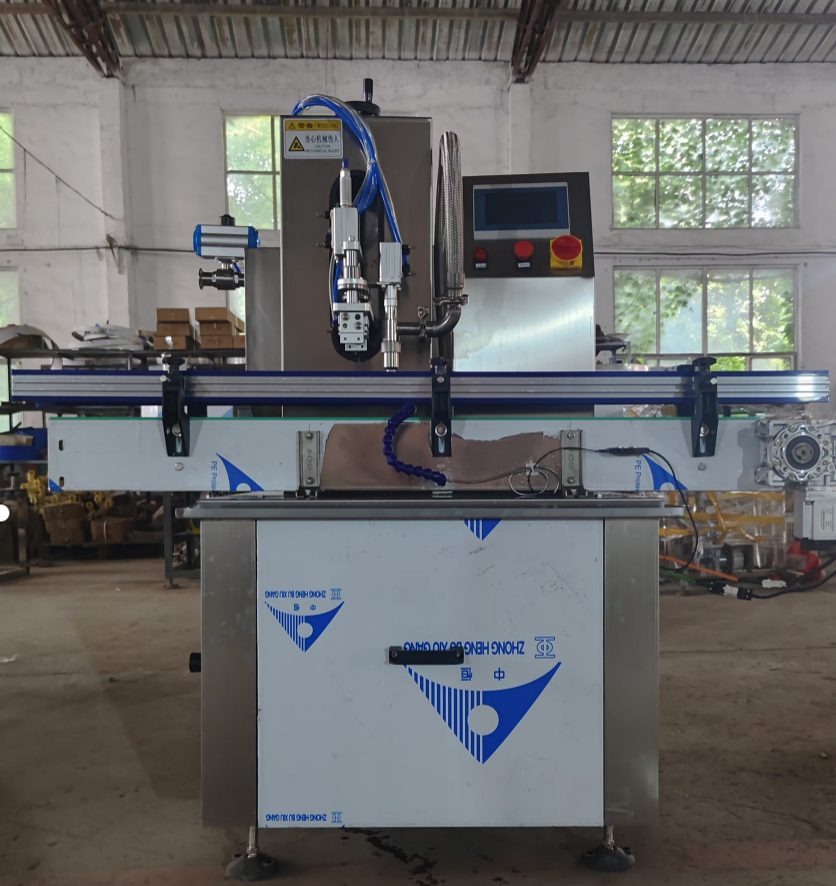 Milk filling
Single-head filling for fresh coconut milk
After hydraulic milk pressing, the project may include small-volume coconut milk filling instead of stopping at extraction only.
S500 conveyor between coconut preparation stages
This short clip belongs to the front-end handoff after dehusking, where coconuts are moved continuously and hygienically toward peeling, water collection, and meat processing.
Write the wet-room boundary before sizing the press
Fresh coconut preparation uses labor, water, drainage, and residue carts before oil equipment becomes meaningful. The quote should show which of those steps already exist and which must be supplied.
Wet-room and clean transfer reference
These next pages move the discussion forward
Send fresh kernel photos before the equipment list
Whole coconut, peeled kernel, crushed kernel, milk, residue, floor drain, and room photos make this page actionable.