Preparation
Moisture decides whether coconut pressing is stable
Drying is not just a preparation note. It changes the route, the press rhythm, the oil quality, the residue value, and the quote boundary.
Separate fresh residue drying, dried coconut feed, copra moisture, storage age, heating method, dryer capacity, and press-ready staging before oil extraction.
Wet residue
Dry quickly if residue becomes feed, desiccated coconut, or press feed.
Copra moisture
Moisture and storage age affect oil quality and press behavior.
Dryer capacity
Dryer hourly capacity must match milk pressing and oil pressing rhythm.
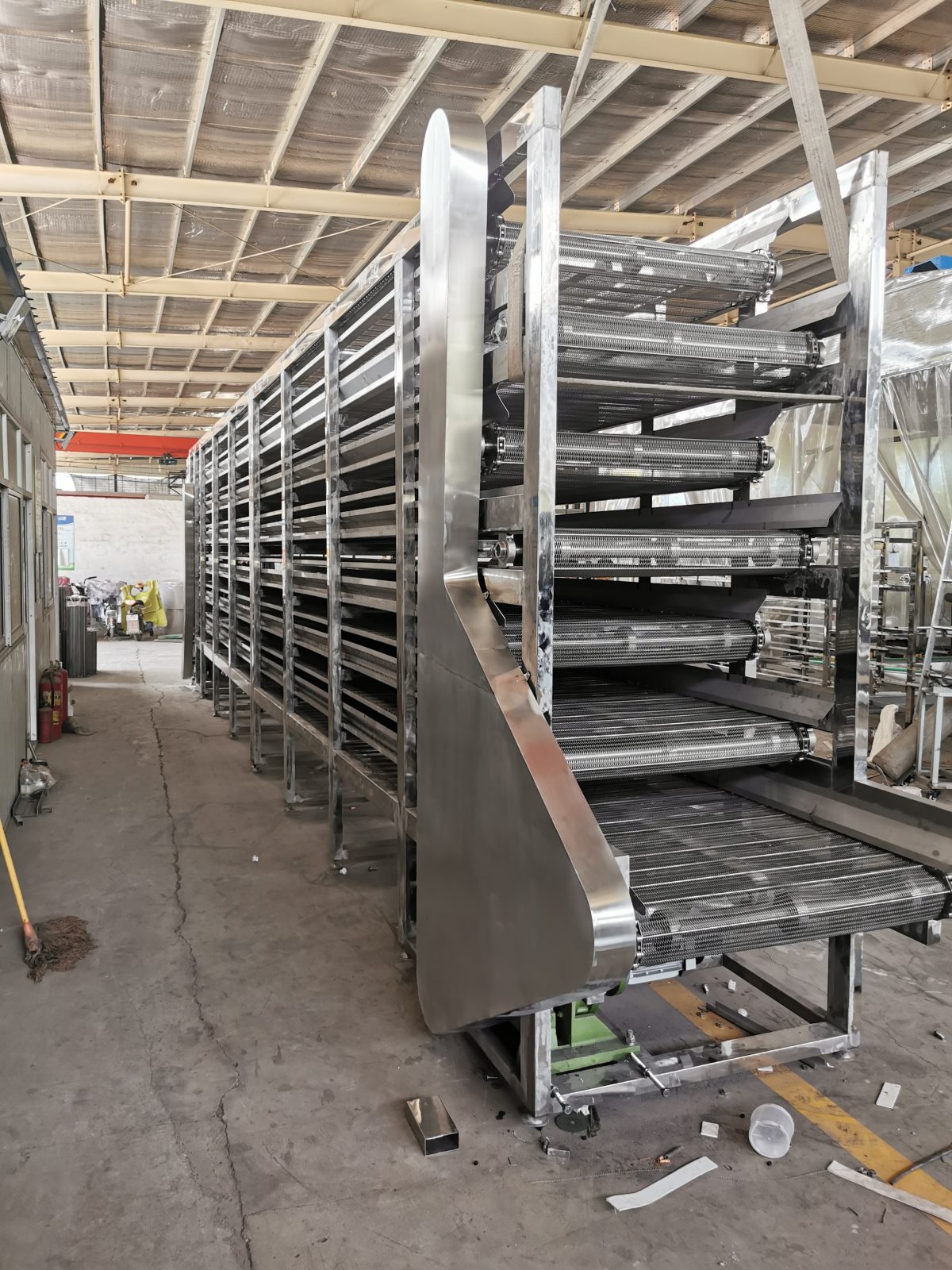
Coconut drying and staging
Route choice
Use moisture to decide whether the line is fresh, dried, or copra-based
- ✓Fresh routes need wet handling, fast residue exit, and hygiene discipline.
- ✓Dry coconut routes need controlled drying and staging before pressing.
- ✓Copra routes need moisture, smoke, storage, and refining risk checked together.
- ✓A dryer can be a product module if desiccated coconut or residue powder is sold.
Read this next
These next pages move the discussion forward
Send moisture target and dryer condition
Current moisture, dryer photos, heat source, hourly wet-feed volume, and target product decide the route.