Copra oil is a dry-feed industrial route
Copra pressing should talk about drying discipline, feed transfer, crude oil, cake, refining, and bulk storage instead of borrowing premium VCO language.
Plan copra oil around dried feed, crushing, pressing, crude-oil buffers, cake discharge, refining handoff, bulk storage, and practical packing.
Dry feed
Moisture, drying method, storage age, and crushing decide pressing stability.
Crude oil
Crude tanks and coarse cleanup should be defined before refining or bulk sale.
Dry cake
Cake discharge, bagging, storage, and feed value belong beside the press room.
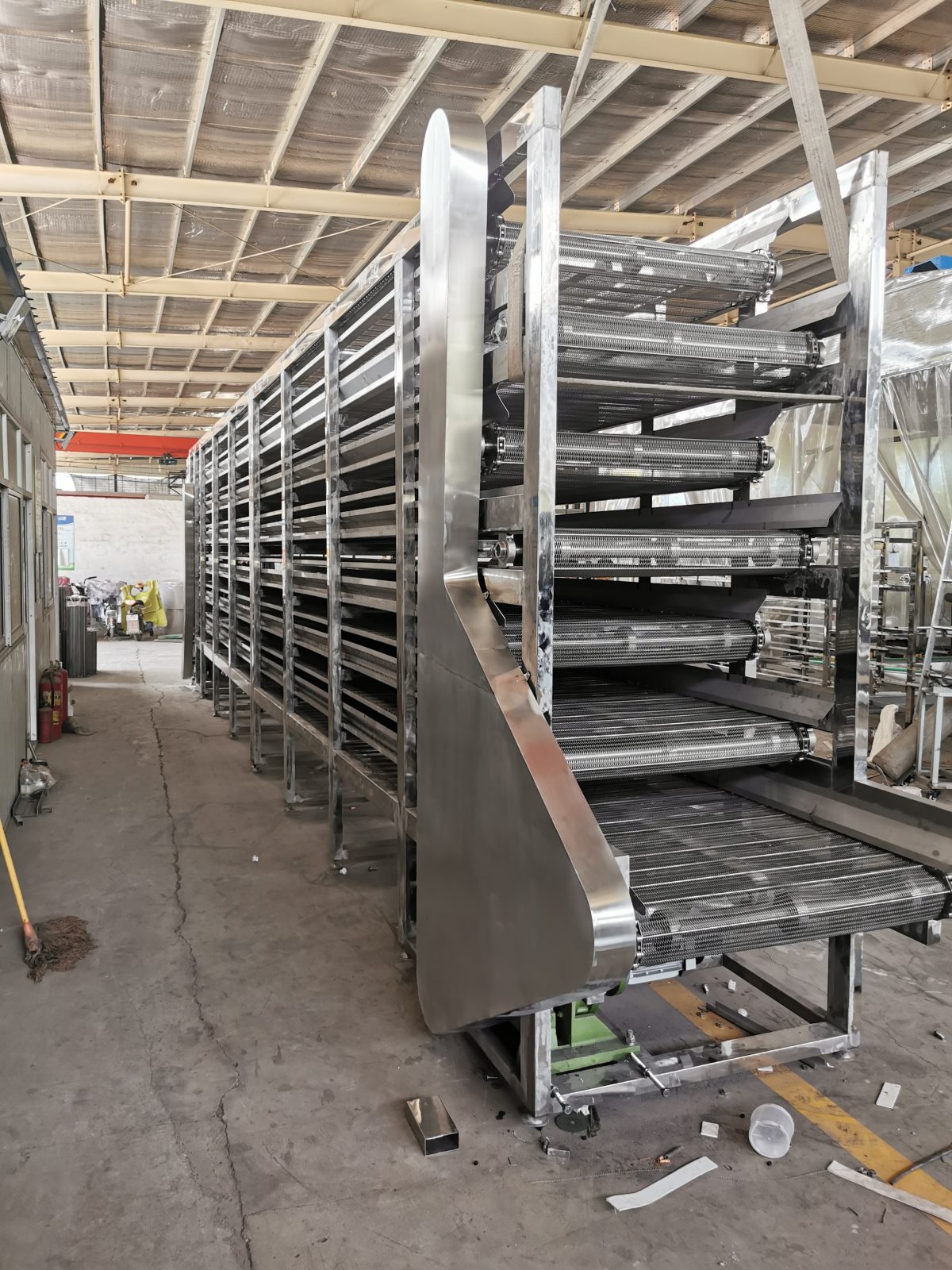
Copra drying and press-ready feed
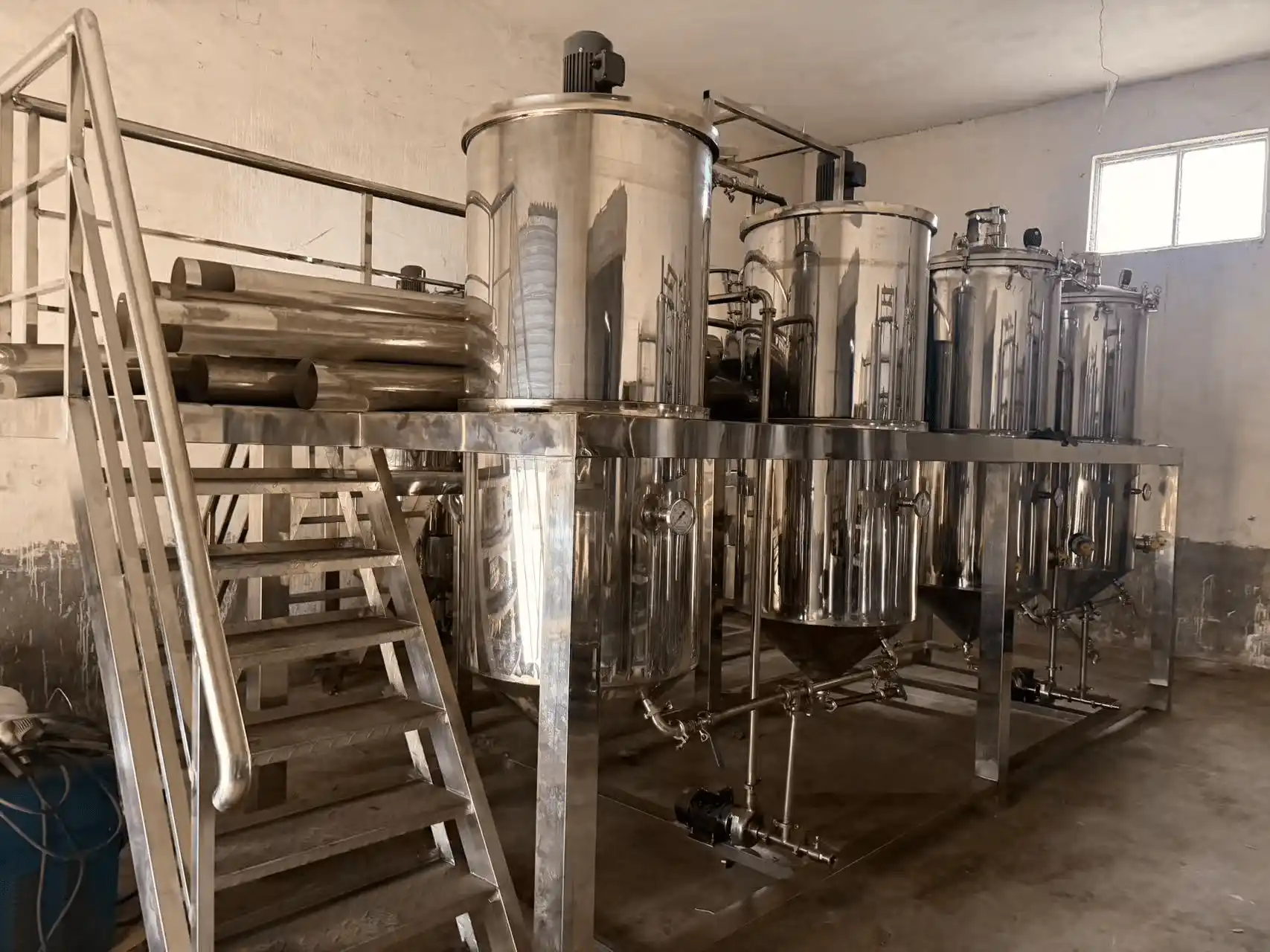 Refining
500 kg per 24 hours edible oil refining system
The refining section covers degumming, deacidification, decolorization, and deodorization before finished-oil storage.
Separate copra oil from fresh-coconut VCO at the first paragraph
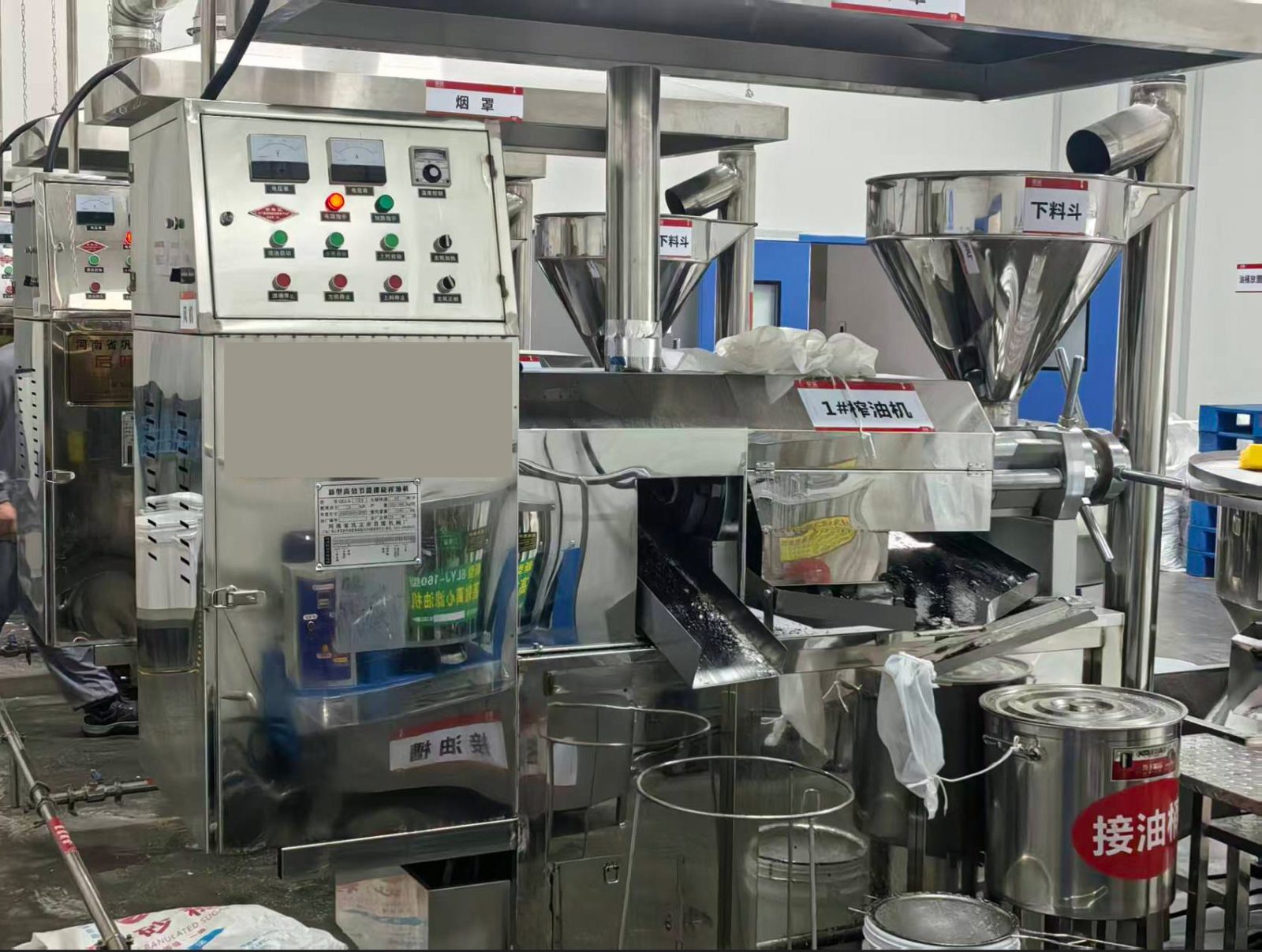 Screw press
Model 128 screw oil press for dried coconut
The oil section in the reference page uses two Model 128 screw presses after drying, mixing, and elevation.
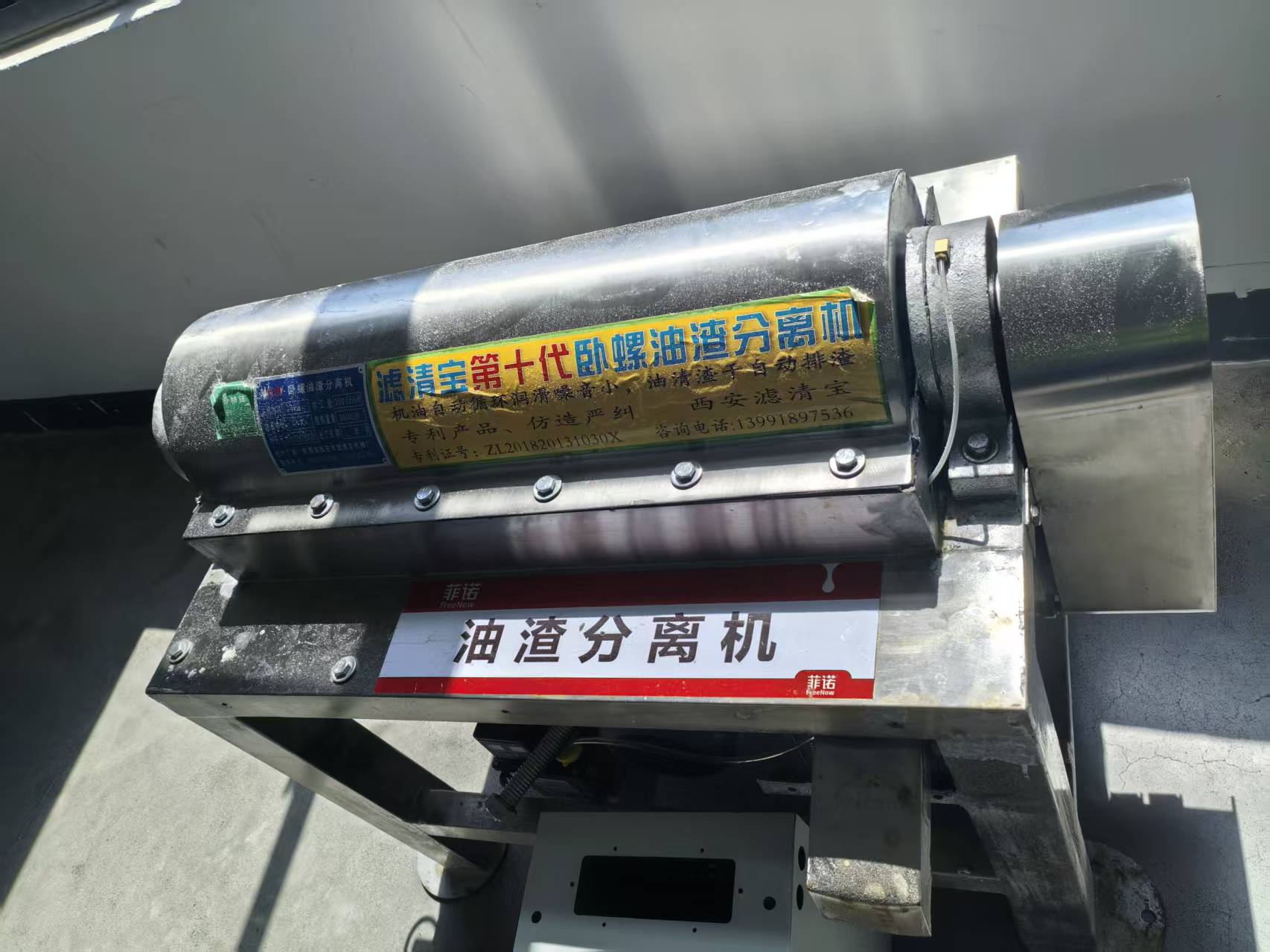 Separation
Decanter centrifuge for cleaner crude coconut oil
After oil pressing, centrifugal separation removes fine residue, impurities, and moisture before crude-oil storage or refining.
- ✓Copra route usually starts after drying, so dehusking, water collection, and milk pressing may not belong.
- ✓Crushing and feed transfer matter because dry pieces must enter the press steadily.
- ✓Crude coconut oil needs sediment control and refining handoff before it becomes retail edible oil.
- ✓Cake handling is a real commercial stream, not an afterthought.
What to confirm before scoping Copra Pressing Route for Crude and Refined Coconut Oil
Copra Pressing Route for Crude and Refined Coconut Oil should not be quoted from an equipment name alone. Check feed lots, target oil, post-press handling, and packing rhythm in one scope before deciding which Coconut Oil Press modules stay. Coconut may be VCO on 355–500 cold, or a complete multi-product line (325 milk + 128 screw + refine).
When feed condition, moisture, impurities, batch weight, and product position are unclear, press tonnage and filter area become guesswork. Factory systems share 60 MPa and 2.2 kW motors; hot pure press is 30–40 min/barrel and cold pure press is ~2 h/barrel — cycle time matters more than brochure tonnage.
- ✓Confirm whether feed is whole seed, kernels, pretreated material, or an existing semi-finished stream.
- ✓Confirm whether the target is crude oil, filtered oil, bottled oil, drum ingredient oil, or a refining handoff.
- ✓Hot cycle reference: pure press 30-40 min/barrel, ~1.5 h for 2 barrels with loading; cold pure press ~2 h/barrel, ~4.5 h for 2 barrels.
- ✓Confirm batch rhythm, labor, changeover, retained samples, power (often 380V/50Hz/3ph), and site install conditions.
Match hot / cold models to factory hard data
When discussing Copra Pressing Route for Crude and Refined Coconut Oil, pin models to published factory specs — not tonnage alone.
Hot 300/325: 300–325 ton, 60 MPa system, standard barrel Ø390×800 mm / max 100 kg, pure press 30–40 min/barrel, ~1.5 h for 2 barrels with loading, 2.2 kW motor. Cold 355/400/426/480/500: 370–630 ton, integrated frame, same 100 kg standard barrel, pure press ~2 h/barrel, ~4.5 h for 2 barrels with loading; optional Ø300 high-pressure barrel max 60 kg. Residual oil target ~≤5% (peanut hot often 6–8% measured).
- ✓Standard barrel Ø390×800 mm, max ~100 kg crushed feed; optional Ø300 high-pressure barrel max ~60 kg.
- ✓Cylinder material 27SiMn; cold frames are integrated molded steel; hot frames are typically H-type channel steel.
- ✓Coconut may be VCO on 355–500 cold, or a complete multi-product line (325 milk + 128 screw + refine).
Coconut routes needs to land in equipment interfaces
After Copra Pressing Route for Crude and Refined Coconut Oil is clear, write the interfaces: how preparation feeds the press, how oil leaves the press, how filtration connects to tanks, and how packing receives finished oil.
Front-end input
Record feed form, daily volume, moisture, and sorting needs so pretreatment is not left to operators.
Milk, drying, and refine interfaces
Complete lines include water/milk (325CG-A), desiccated dryer, screw 128, and S600 refine. VCO keeps the full chain ≤60°C with warm-fill jars.
Delivery data
Prepare space, power (often 380V/50Hz/3ph), labor, target package, local rules, and acceptance method before quotation.
Send copra moisture, drying, and refining endpoint
Copra photos, moisture target, current crusher or dryer, expected crude-oil tank, and refining plan will decide the line boundary.