Front-end input
Record feed form, daily volume, moisture, and sorting needs so pretreatment is not left to operators.
After pressing, the oil still needs separation, transfer, refining decisions, finished-oil storage, and a filling endpoint. Define the downstream boundary early so the quote does not miss the equipment after the press.
Oil cleanup
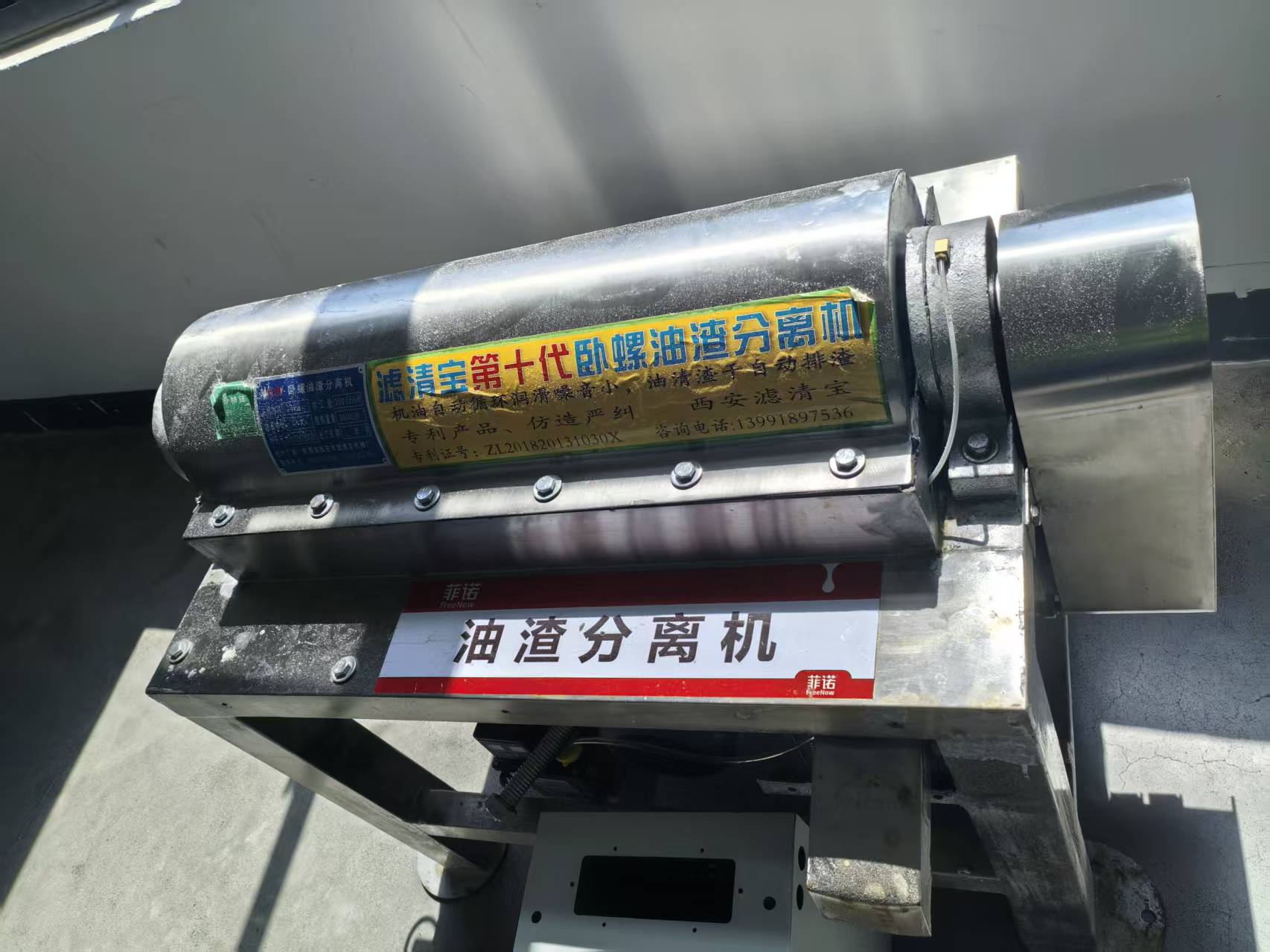
The reference line uses a decanter centrifuge after oil pressing. This protects later storage and refining from excessive sediment, fine solids, and moisture.
Refining
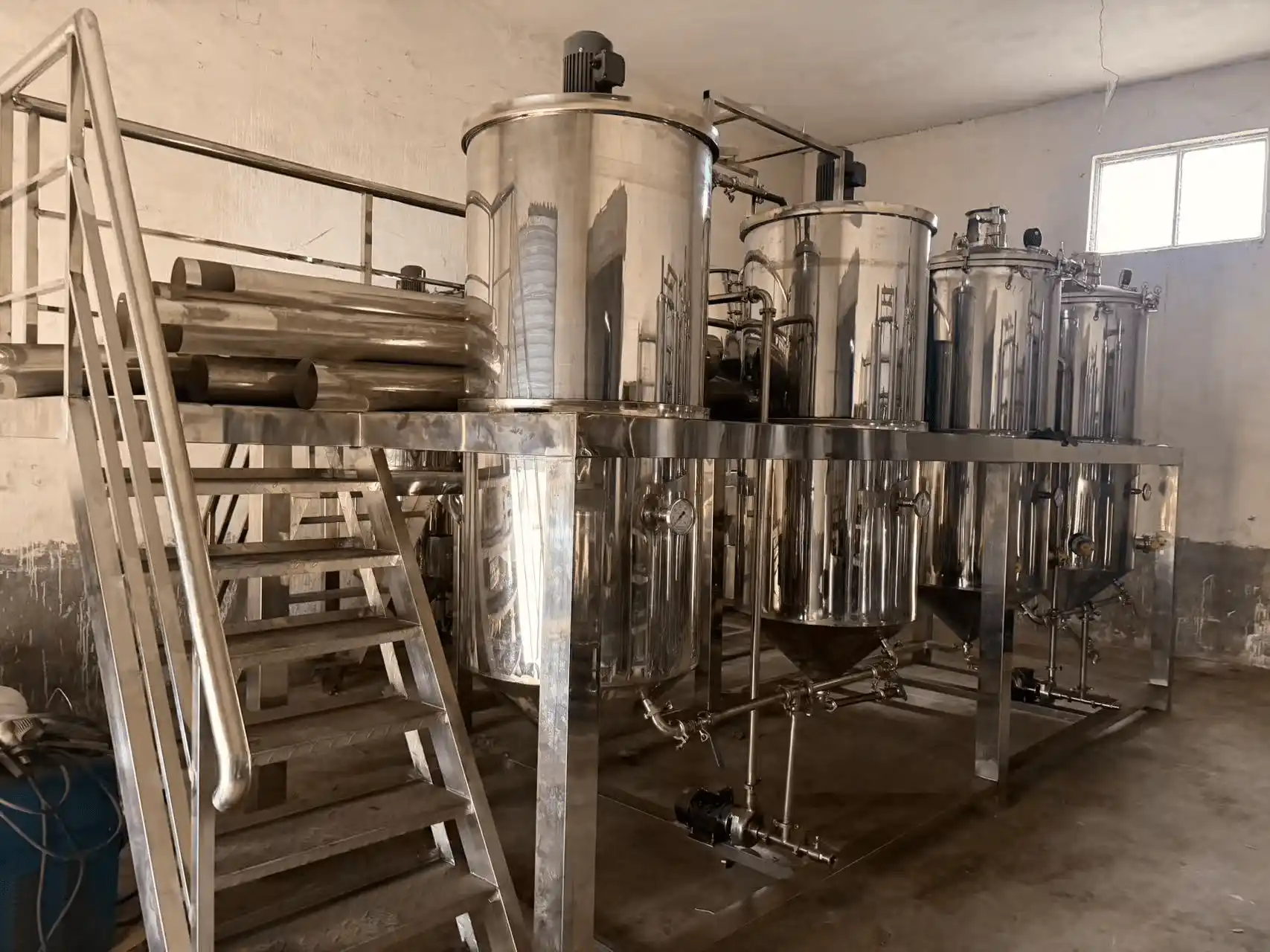
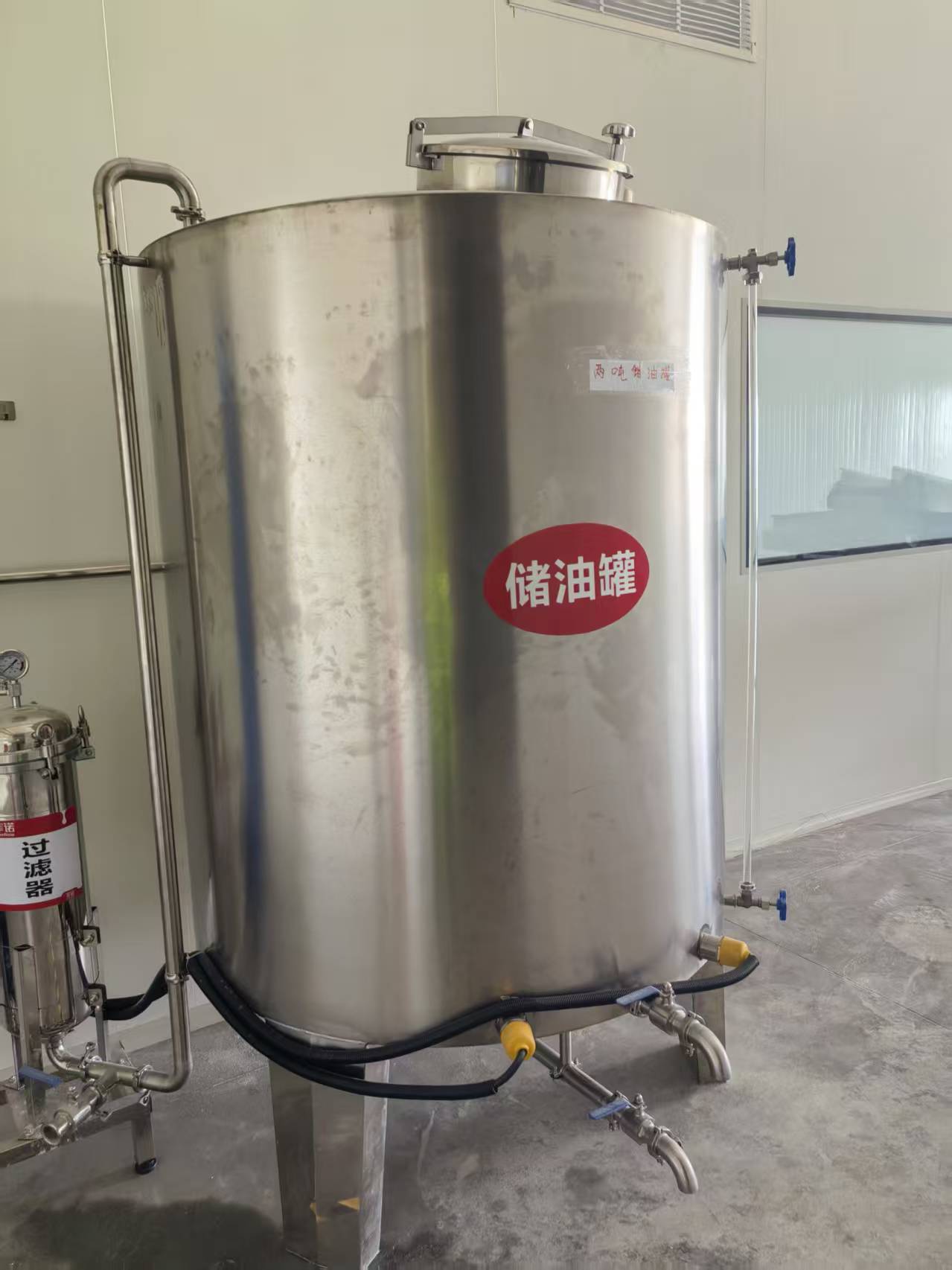
The reference configuration includes crude-oil transfer before refining and finished-oil storage after refining. Tank volume should match pressing rhythm, refining batch size, and packing rhythm.
Packing
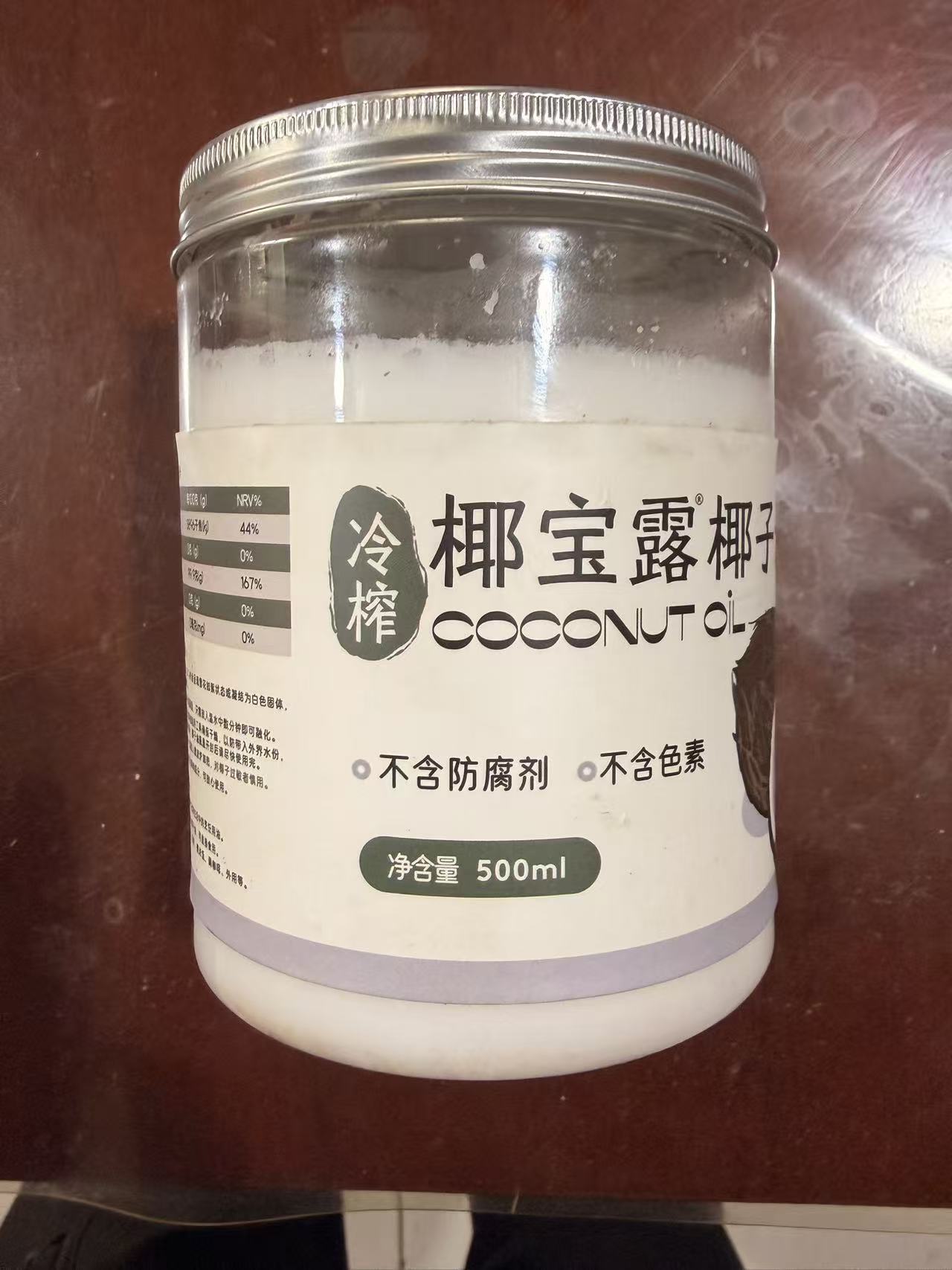
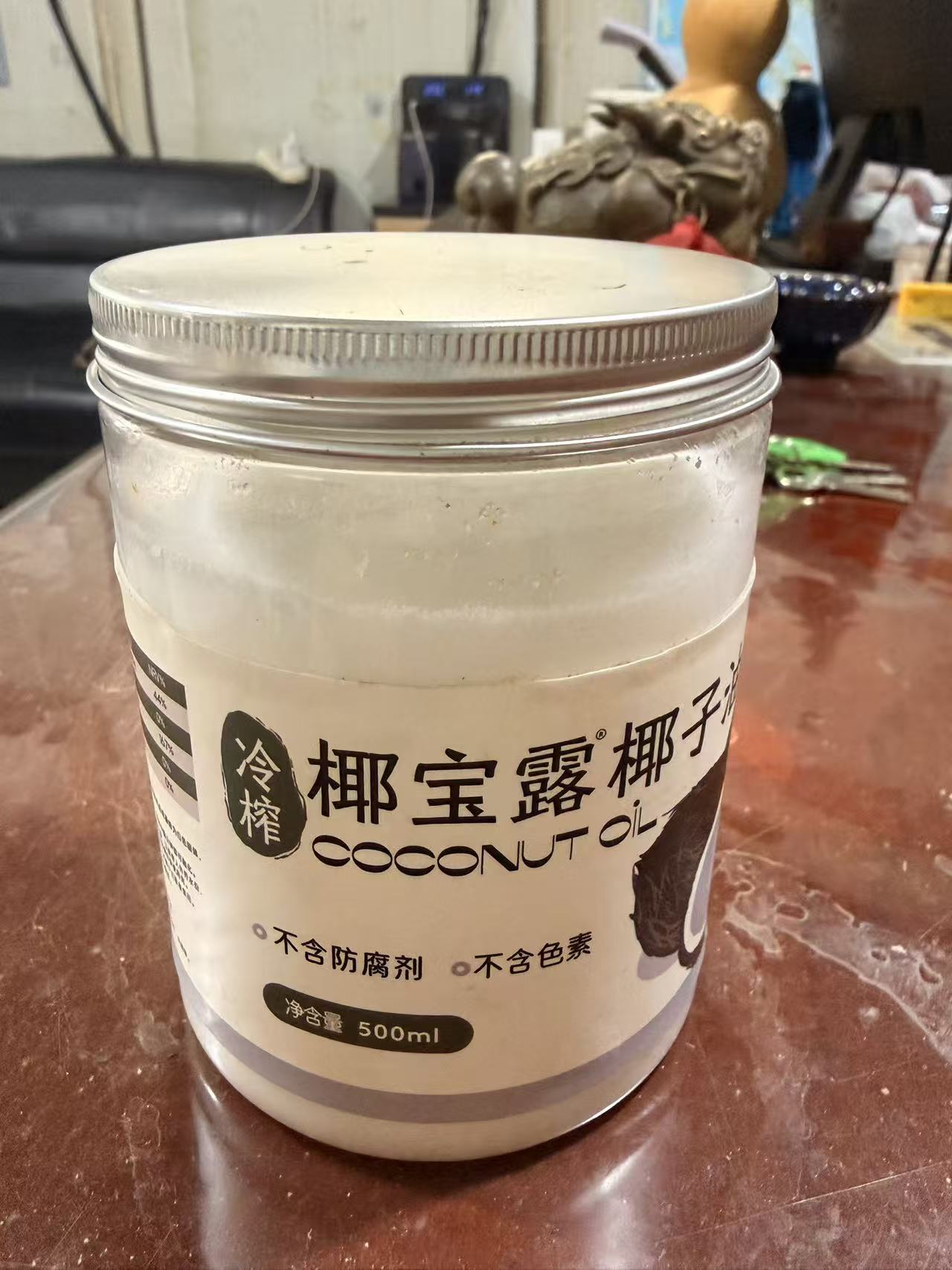
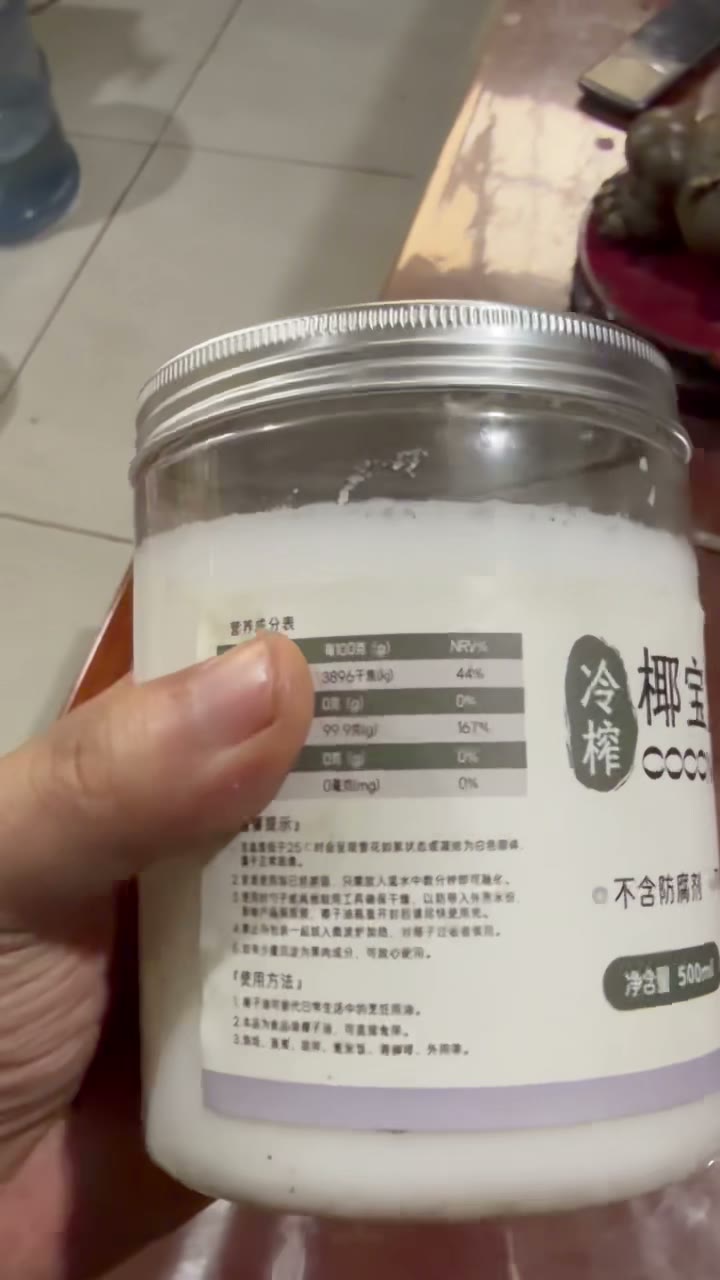
If the oil leaves as a retail product, packaging is not a decorative add-on. Filling accuracy, cap type, label position, date coding, carton sealing, and finished-goods storage should be confirmed with the oil line.
Project boundary
Coconut Oil Filtration, Refining and Packaging should not be quoted from an equipment name alone. Check feed lots, target oil, post-press handling, and packing rhythm in one scope before deciding which Coconut Oil Press modules stay. Coconut may be VCO on 355–500 cold, or a complete multi-product line (325 milk + 128 screw + refine).
When feed condition, moisture, impurities, batch weight, and product position are unclear, press tonnage and filter area become guesswork. Factory systems share 60 MPa and 2.2 kW motors; hot pure press is 30–40 min/barrel and cold pure press is ~2 h/barrel — cycle time matters more than brochure tonnage.
Factory model check
Pin models to published factory specs before tonnage talk.
Hot 300/325: 300–325 ton, 60 MPa system, standard barrel Ø390×800 mm / max 100 kg, pure press 30–40 min/barrel, ~1.5 h for 2 barrels with loading, 2.2 kW motor. Cold 355/400/426/480/500: 370–630 ton, integrated frame, same 100 kg standard barrel, pure press ~2 h/barrel, ~4.5 h for 2 barrels with loading; optional Ø300 high-pressure barrel max 60 kg. Residual oil target ~≤5% (peanut hot often 6–8% measured).
Equipment check
Once the route is clear, write the interfaces: how preparation feeds the press, how oil leaves the press, how filtration connects to tanks, and how packing receives finished oil.
Record feed form, daily volume, moisture, and sorting needs so pretreatment is not left to operators.
Complete lines include water/milk (325CG-A), desiccated dryer, screw 128, and S600 refine. VCO keeps the full chain ≤60°C with warm-fill jars.
Prepare space, power (often 380V/50Hz/3ph), labor, target package, local rules, and acceptance method before quotation.
APCC + Codex CXS 213/2024 spec for retail VCO: water-clear (Lovibond Y <2 / R 0), characteristic mild coconut aroma, FFA <0.5%, peroxide <3 meq O₂/kg, moisture <0.1%. Achieved by 200-300 mesh plate-frame + 1-5 μm bag filter post-press. Cosmetic-grade: 0.22 μm sterile filter + GMPC for skincare/baby applications.
Coconut oil melts at 24-26°C — solid below that, liquid above. Filling at 28-30°C ensures fluidity for piston volumetric dosing (cold solid blocks the dosing nozzle). Storage tank jacket at 28-30°C maintains liquid state during filling. After capping, oil cools and solidifies in jar at storage <24°C — that ice-white solid is the visual hallmark of pure coconut oil.
Say whether oil leaves as crude oil, filtered oil, refined oil, bottled oil, pouch packs, or cartons. The downstream quote changes with that endpoint.