Front-end input
Record feed form, daily volume, moisture, and sorting needs so pretreatment is not left to operators.
Before discussing oil yield, check the wet sections: water collection, kernel cleaning, crushing, milk extraction, and residue drying. Most coconut line problems are caused by unclear material state before the press.
Preparation
The reference line places a coconut meat washing section before crushing. Washing removes shell fragments and impurities; crushing increases contact area so the 325 hydraulic milk press can work with a more consistent pulp condition.



Milk extraction
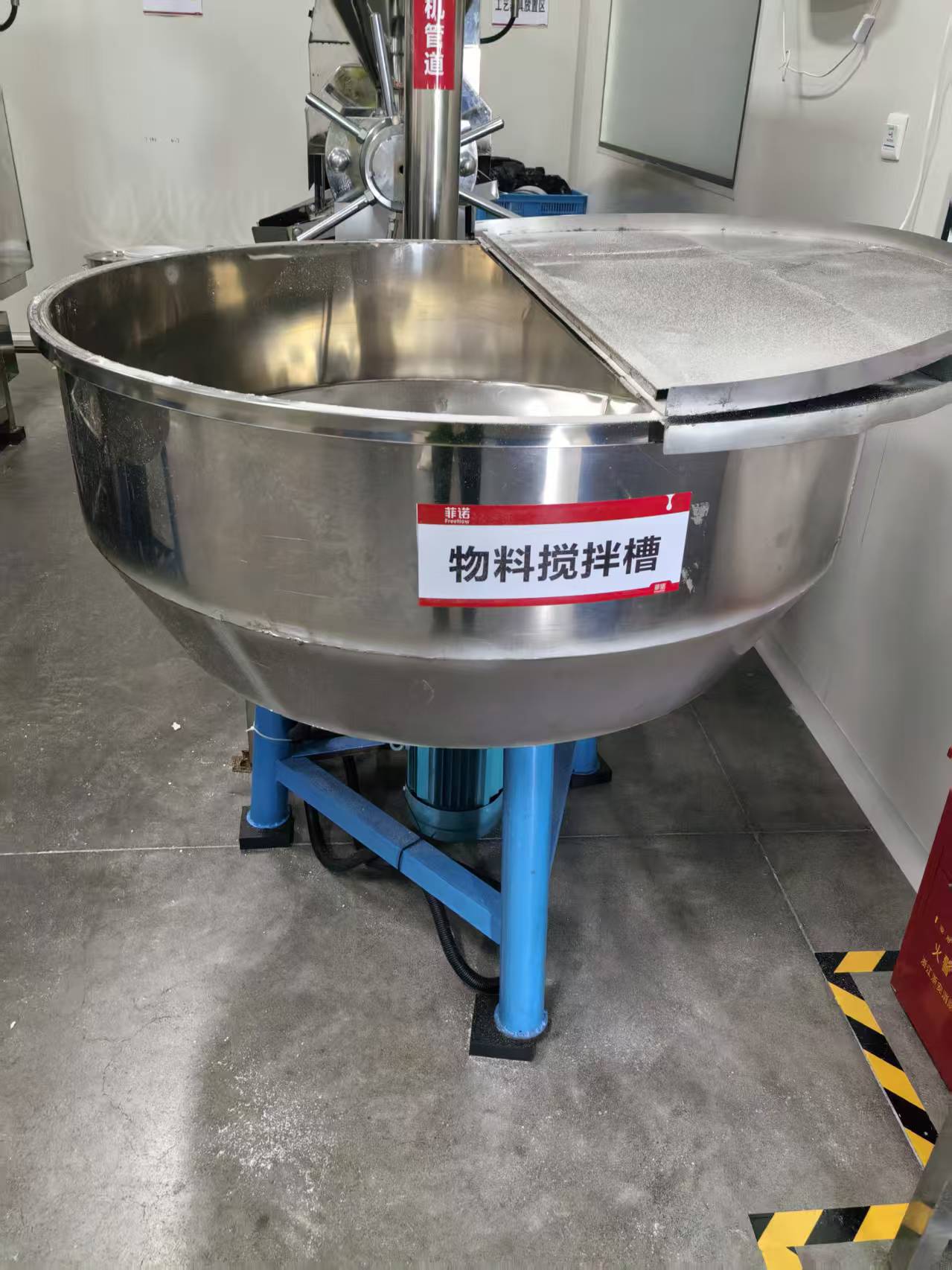
After hydraulic pressing, coconut milk may go to filling, while wet residue may go to drying. If the residue will be pressed for oil later, the dryer, mixer, elevator, and screw press must be sized together instead of quoted as isolated machines.
Drying checkpoints
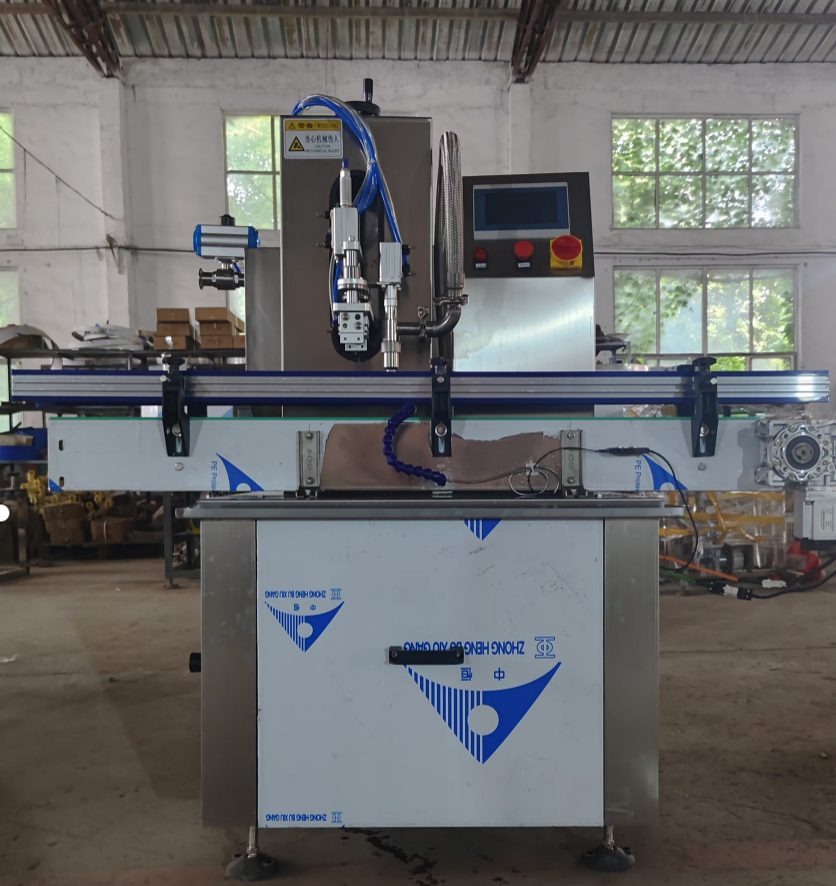
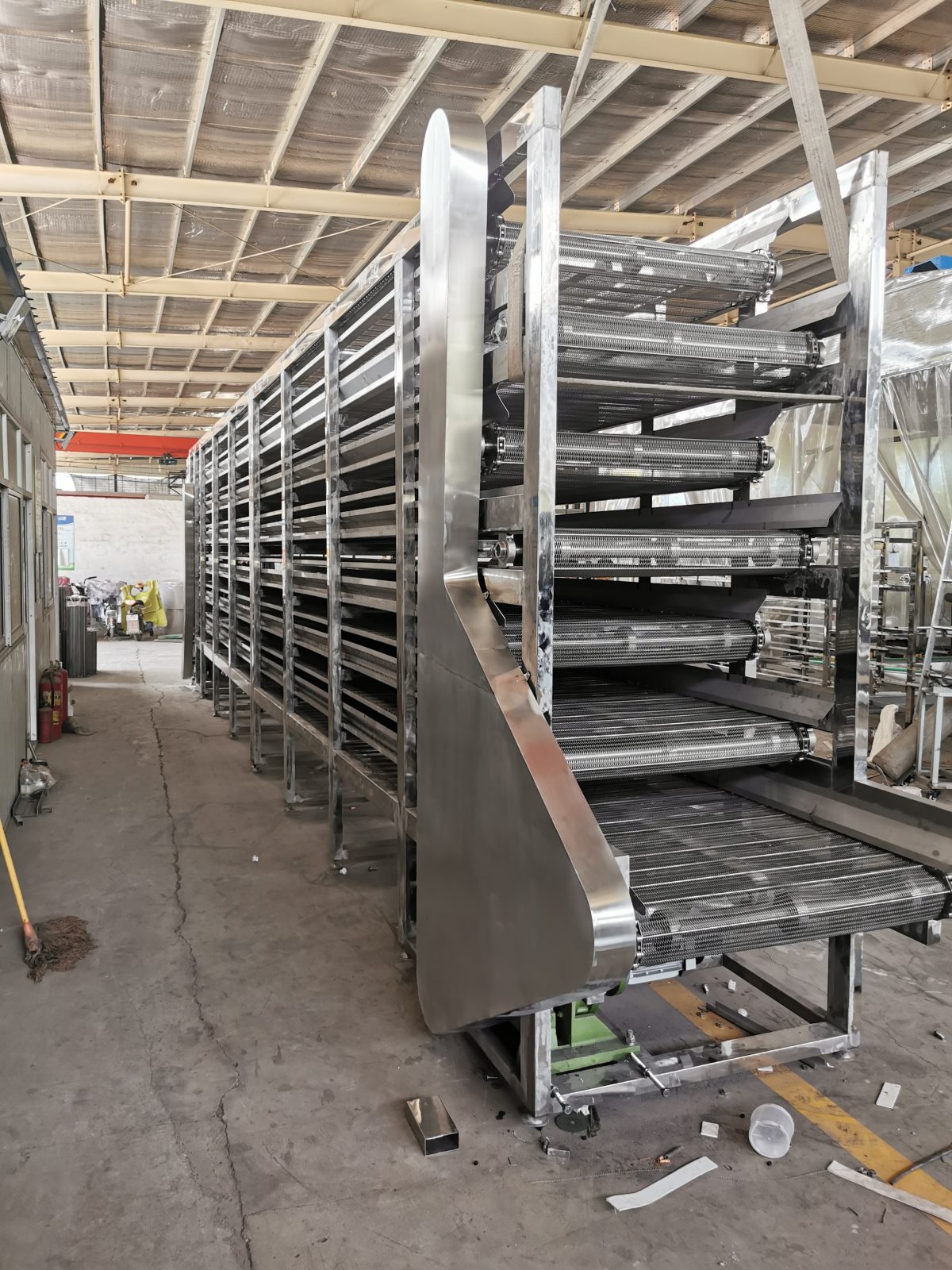
Drying should match the next outlet. Desiccated coconut needs attention to flavor, color, and hygiene; oil pressing feed needs stable moisture and even feeding. The same dryer can sit in different project logic depending on the final product.
Project boundary
Coconut Kernel Drying and Preparation should not be quoted from an equipment name alone. Check feed lots, target oil, post-press handling, and packing rhythm in one scope before deciding which Coconut Oil Press modules stay. Coconut may be VCO on 355–500 cold, or a complete multi-product line (325 milk + 128 screw + refine).
When feed condition, moisture, impurities, batch weight, and product position are unclear, press tonnage and filter area become guesswork. Factory systems share 60 MPa and 2.2 kW motors; hot pure press is 30–40 min/barrel and cold pure press is ~2 h/barrel — cycle time matters more than brochure tonnage.
Factory model check
Pin models to published factory specs before tonnage talk.
Hot 300/325: 300–325 ton, 60 MPa system, standard barrel Ø390×800 mm / max 100 kg, pure press 30–40 min/barrel, ~1.5 h for 2 barrels with loading, 2.2 kW motor. Cold 355/400/426/480/500: 370–630 ton, integrated frame, same 100 kg standard barrel, pure press ~2 h/barrel, ~4.5 h for 2 barrels with loading; optional Ø300 high-pressure barrel max 60 kg. Residual oil target ~≤5% (peanut hot often 6–8% measured).
Equipment check
Once the route is clear, write the interfaces: how preparation feeds the press, how oil leaves the press, how filtration connects to tanks, and how packing receives finished oil.
Record feed form, daily volume, moisture, and sorting needs so pretreatment is not left to operators.
Complete lines include water/milk (325CG-A), desiccated dryer, screw 128, and S600 refine. VCO keeps the full chain ≤60°C with warm-fill jars.
Prepare space, power (often 380V/50Hz/3ph), labor, target package, local rules, and acceptance method before quotation.
Kiln-drying capex $30-80k (vs zero for sun-drying floor) + energy 50-150 kW or steam 0.5-1 t/h. But kiln output: moisture <6% guaranteed, light color, low aflatoxin, food-grade. Press yield 60-65% kiln vs 55-60% sun-dried (3-5 pt yield gain). Refining clay use 1-2% kiln vs 2-3% sun-dried. Total yield + refining savings recover capex within 12-24 months at 5-30 t/d operation. Premium markets (EU, organic, baby-food) accept only kiln-dried.
Yes — that is the VCO standard route. Fresh kernel (moisture 45-55%) is grated to 1-3 mm shred, then either: 1) Pre-press dewatered (mechanical screw press at ≤40°C or centrifuge) to expel coconut milk + extract oil; 2) Or direct cold-press at ≤40°C in 200-355 ton hydraulic with batch 80-100 kg, yield 25-30% (lower than 30-35% via centrifugation route). Drying is NOT used for VCO because heat above 40°C destroys lauric flavor profile and APCC grade.
Photos of washed coconut meat, crushed pulp, milk-press residue, current dryer, and target moisture will make the preparation scope much clearer.