Choosing a coconut oil press in Indonesia starts with VCO vs copra, not the machine
Indonesia is the world's largest coconut producer, with a fast-growing VCO industry alongside traditional copra-oil processing. Demand ranges from village cooperatives and small VCO brands to export-oriented batch factories serving health and cosmetic buyers. Indonesian VCO projects fit a cold hydraulic route from fresh kernel: clean, aromatic oil with traceable batches. Copra pressing serves the bulk-commodity end. Scaling by adding presses suits cooperative and regional models better than jumping to continuous lines.
How to choose a hydraulic coconut oil press in Indonesia: local market reality, the VCO (virgin, cold) vs copra route, business-model fit, sanitary handling, and the data to send before a quote.
Local market
Indonesia is the world's largest coconut producer, with a fast-growing VCO industry alongside traditional copra-oil processing. Demand ranges from village cooperatives and small VCO brands to export-oriented batch factories serving health and cosmetic buyers.
Recommended route
Indonesian VCO projects fit a cold hydraulic route from fresh kernel: clean, aromatic oil with traceable batches. Copra pressing serves the bulk-commodity end. Scaling by adding presses suits cooperative and regional models better than jumping to continuous lines.
Core keyword
A hydraulic coconut oil press run cold (≤60°C) for premium VCO from fresh kernel; copra pressing for bulk oil. Batch-traceable, scalable by adding presses.
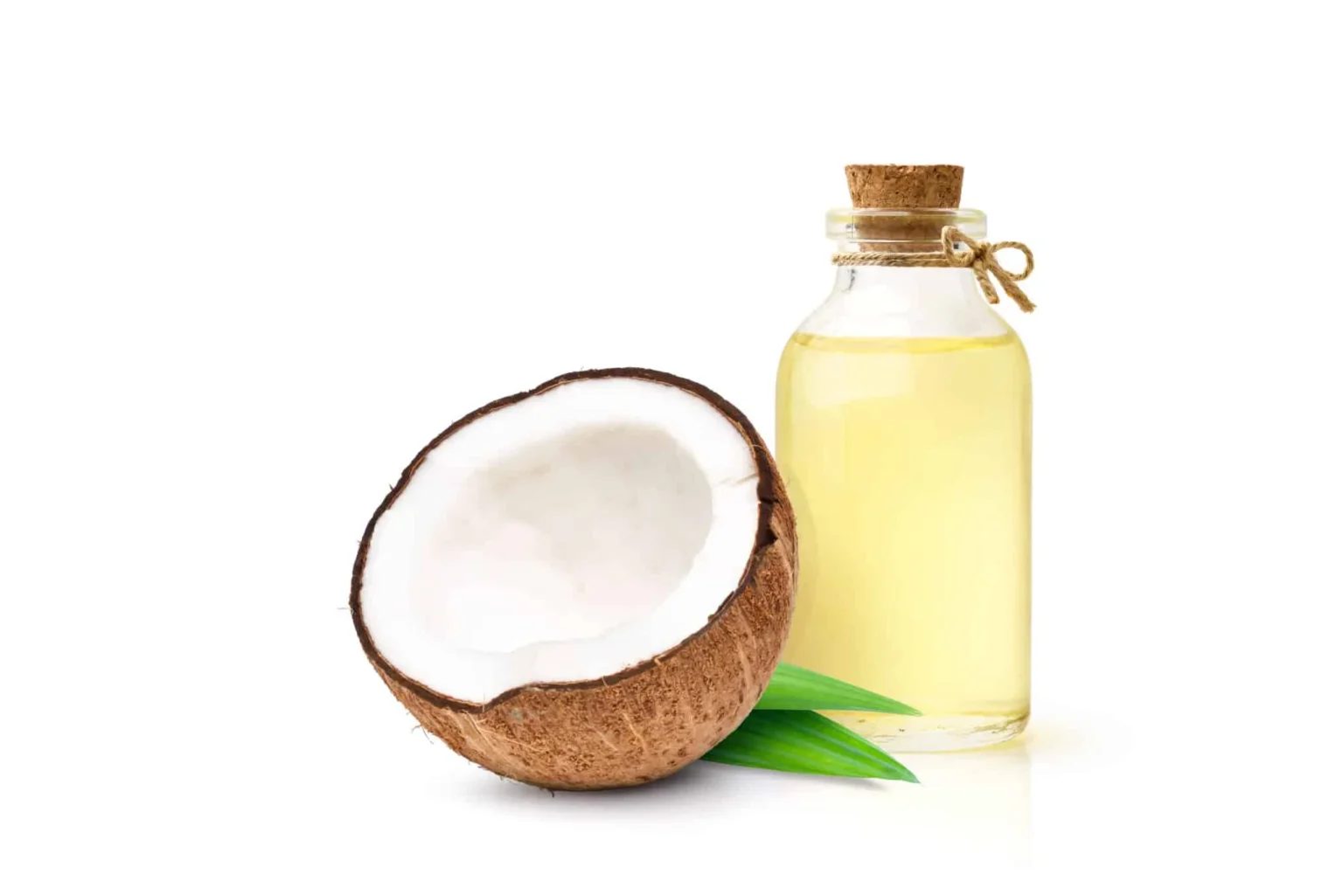 Indonesia
Match the coconut press to how oil is actually sold in Indonesia
Use this as a planning reference; send your fresh-kernel or copra route, volume, and target market for a specific recommendation.
VCO or copra: the Indonesia route decision
Virgin coconut oil (VCO)
Cold hydraulic pressing (≤60°C) from fresh kernel. Premium aroma, clarity, and health/cosmetic positioning. Needs sanitary handling and fast processing of fresh kernel.
Copra-based oil
Pressing dried copra for bulk commodity oil; usually refined afterward. Higher volume, lower per-liter value than VCO. A separate route with different drying and storage needs.
Small-batch artisanal
Compact hydraulic VCO line for boutique brands, export samples, or tourism retail. Lowest entry cost; sells on freshness, story, and certification.
What to choose for a Indonesia coconut project
- ✓If your Indonesia project targets premium VCO — the most valuable path — choose a cold hydraulic press and plan sanitary fresh-kernel handling.
- ✓If it targets bulk commodity oil, a copra route (often with screw pressing and refining) fits the high-volume, lower-value end.
- ✓Small artisanal VCO brands can start with a compact hydraulic line and scale by adding presses.
- ✓For VCO, fresh-kernel hygiene, moisture control, and fast processing decide oil grade far more than press tonnage.
The line is more than the press — match the supporting modules
- ✓Fresh-kernel VCO needs sanitary kernel preparation, controlled moisture, and fast transfer before pressing.
- ✓Copra routes need drying and storage that keep moisture and mold under control before pressing.
- ✓Settling tanks and fine filtration give the clear, bright VCO that premium and export buyers expect.
- ✓Sealed jars or bottles and lot-level records support the certification that VCO export markets require.
Clear these up first
For virgin coconut oil in Indonesia, a hydraulic press run cold (≤60°C) from fresh kernel protects aroma and clarity — the qualities the VCO market pays for. A compact line suits boutique export brands; scale by adding presses as volume grows.
These next pages move the discussion forward
By Country
Hydraulic Coconut Oil Press in Philippines: VCO and Copra Buyer Guide
How to choose a hydraulic coconut oil press in Philippines: local market reality, the VCO (virgin, cold) vs copra route, business-model fit, sanitary handling, and the data to send before a quote.
Continue →By Country
Hydraulic Coconut Oil Press in Sri Lanka: VCO and Copra Buyer Guide
How to choose a hydraulic coconut oil press in Sri Lanka: local market reality, the VCO (virgin, cold) vs copra route, business-model fit, sanitary handling, and the data to send before a quote.
Continue →Send your Indonesia coconut project details
Share whether you press fresh kernel (VCO) or copra, your daily target, target market, and certification needs — we will recommend a practical Indonesia setup and a quote direction.