Coconut preparation decides whether pressing is stable
Before discussing oil yield, check the wet sections: water collection, kernel cleaning, crushing, milk extraction, and residue drying. Most coconut line problems are caused by unclear material state before the press.
Plan coconut dehusking, peeling, water collection, meat washing, crushing, milk pressing, wet-residue drying, and dried coconut feed preparation before oil extraction.
Wet material control
Fresh coconut meat needs washing and crushing before milk pressing; wet residue needs drying before stable oil pressing.
Drying target
Drying is not just water removal; it decides flavor, storage, screw-press stability, and downstream oil clarity.
Coconut meat washing before crushing
The washing section is sized in the reference page at 10 tons per day, mainly to remove shell fragments and impurities before the crusher.
Model 325 hydraulic coconut milk pressing section
The reference configuration uses four 325CG-A hydraulic presses, 2.2 kW each, for batch coconut milk extraction with an indicated 80% extraction rate.
Preparation
Wash and crush coconut meat before hydraulic milk pressing
The reference line places a coconut meat washing section before crushing. Washing removes shell fragments and impurities; crushing increases contact area so the 325 hydraulic milk press can work with a more consistent pulp condition.
Coconut meat washing before crushing
The washing section is sized in the reference page at 10 tons per day, mainly to remove shell fragments and impurities before the crusher.
Coconut meat crushing for better milk extraction
The crusher reduces coconut meat into smaller particles so the hydraulic milk press can reach a more stable extraction rate.
Crushed coconut meat ready for hydraulic milk pressing
This is the material handoff before the 325 hydraulic coconut milk press. Moisture and particle size matter more here than press tonnage alone.
Milk extraction
Treat coconut milk and press cake as two separate streams
After hydraulic pressing, coconut milk may go to filling, while wet residue may go to drying. If the residue will be pressed for oil later, the dryer, mixer, elevator, and screw press must be sized together instead of quoted as isolated machines.
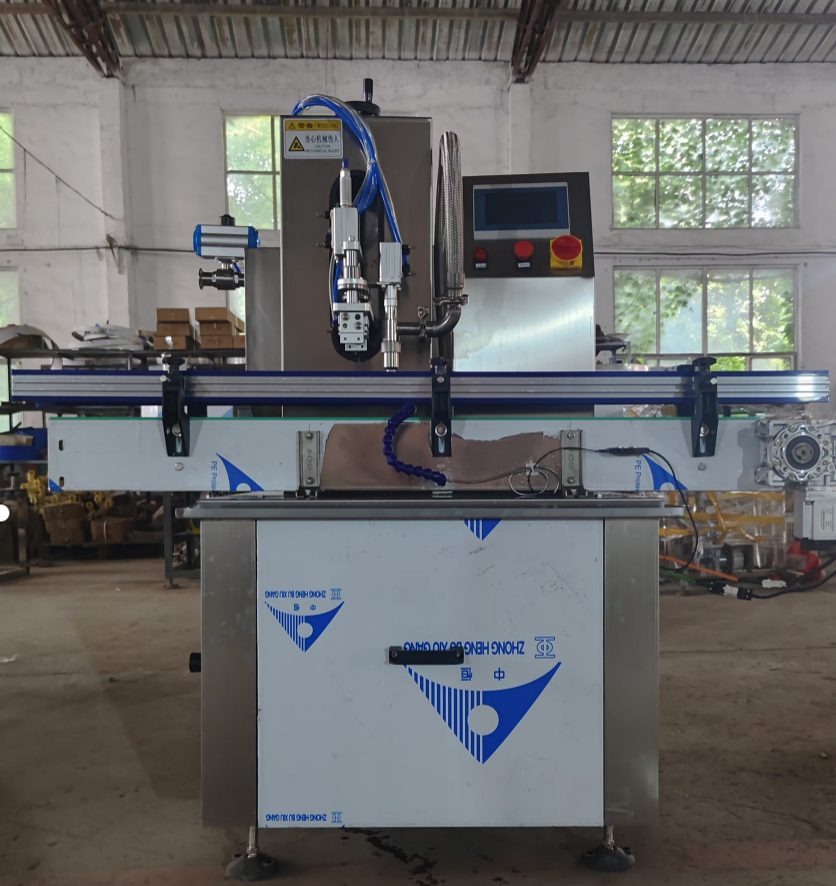
Single-head filling for fresh coconut milk
After hydraulic milk pressing, the project may include small-volume coconut milk filling instead of stopping at extraction only.
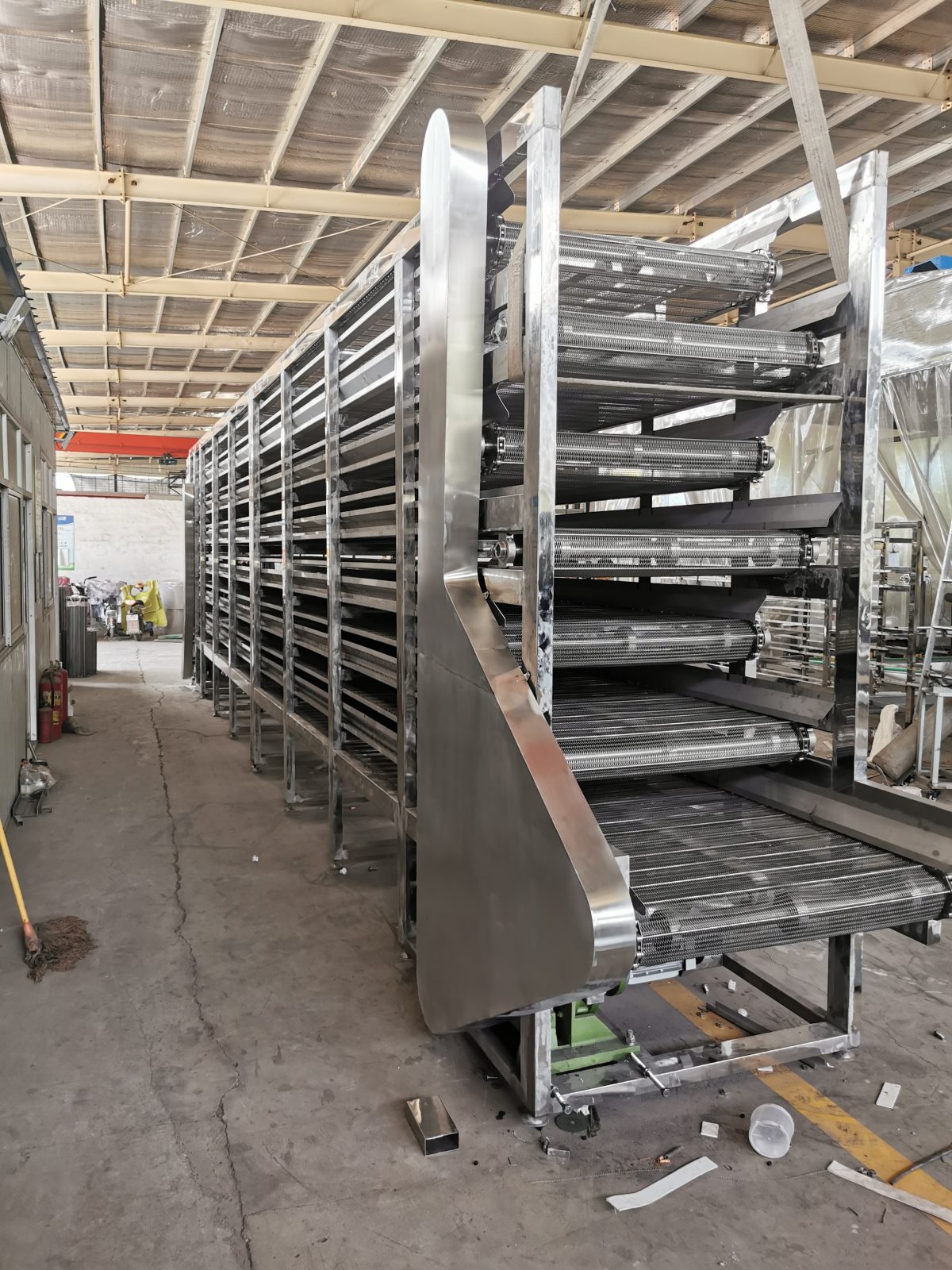
Desiccated coconut dryer after milk extraction
After milk extraction, wet coconut pulp is dried for desiccated coconut or further oil pressing.
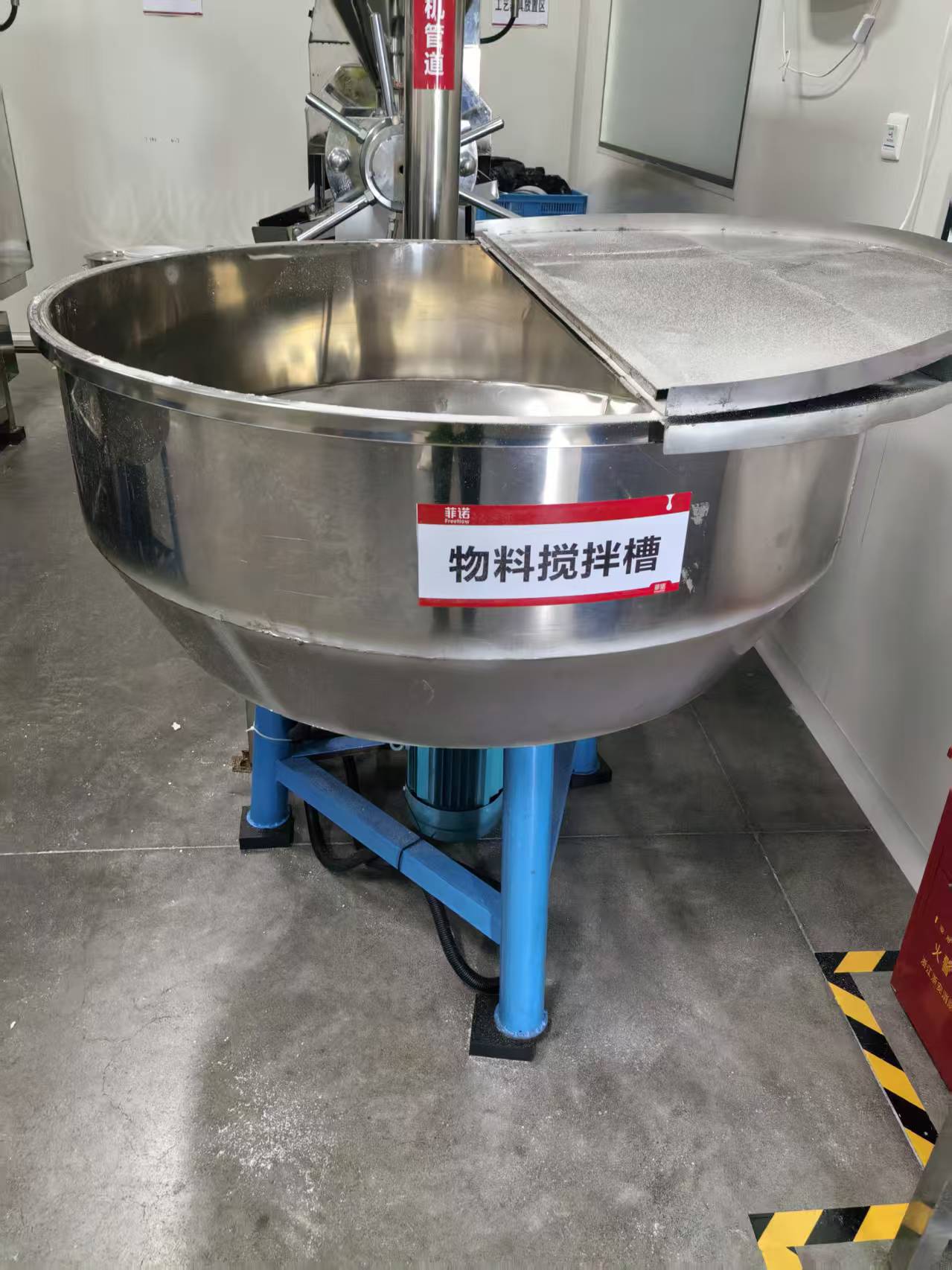
Stainless coconut mixing machine before oil pressing
The reference configuration uses stainless mixing so dried coconut material enters the press more evenly.
Drying checkpoints
Set a drying window for desiccated coconut and oil pressing feed
Drying should match the next outlet. Desiccated coconut needs attention to flavor, color, and hygiene; oil pressing feed needs stable moisture and even feeding. The same dryer can sit in different project logic depending on the final product.
- Record wet-residue quantity after milk pressing.
- Decide whether dried material is sold as desiccated coconut or sent to oil pressing.
- Reserve transfer space for mixing, elevation, and press feeding.
- Keep drying temperature and residence time traceable for repeat batches.
Questions to confirm next
Why does kiln-dried copra cost more but earn higher yield?
Can I press fresh kernel without drying for VCO?
Send the wet-material condition before choosing the press
Photos of washed coconut meat, crushed pulp, milk-press residue, current dryer, and target moisture will make the preparation scope much clearer.